


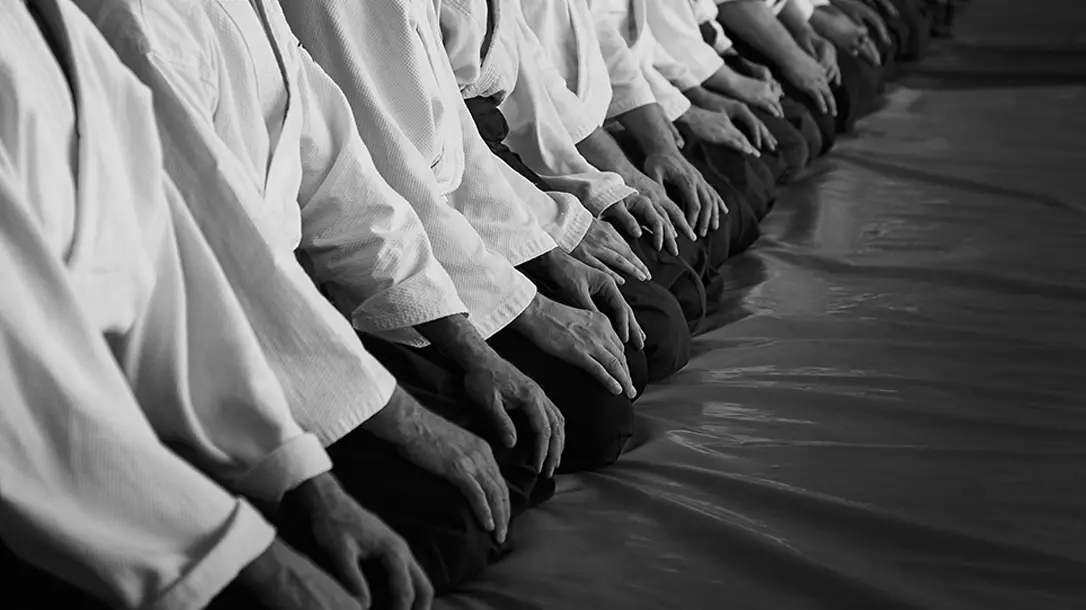
When it comes to personal defense, many people turn to martial arts training to develop their open-hand skills. Serious people know that simply carrying a gun isn’t the answer. The challenge many people face is deciding which art to train in. To the uninitiated, most of the arts may seem very similar in a blur of Asian characters. As someone who has studied the martial arts, I thought it would be helpful to give you a general overview of a few different arts. This is an introduction to the martial arts.
An Introduction to Martial Arts – What You Need to Know
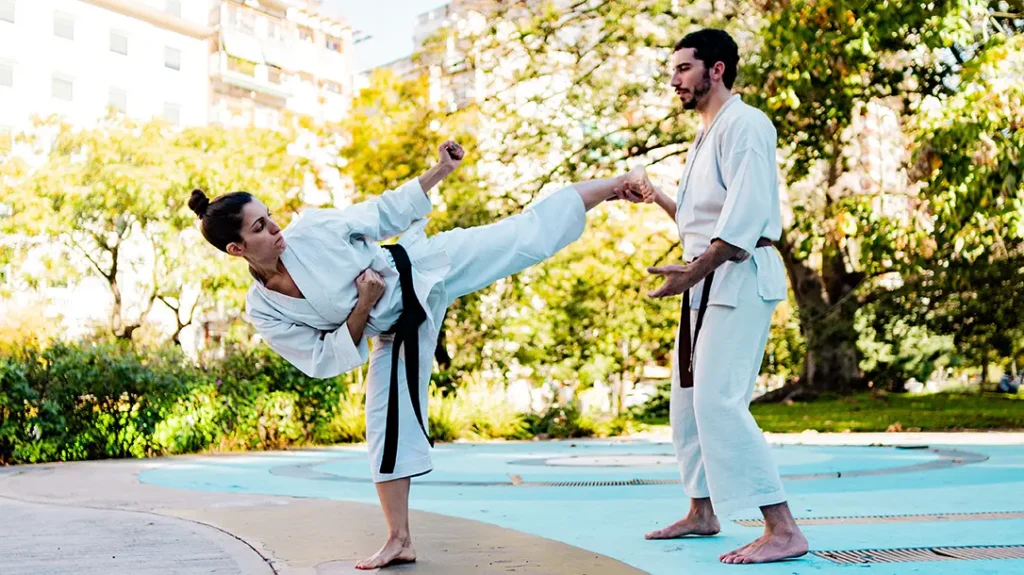
The first martial art that comes to mind for most people is karate. This term has become so generic that most people lump all martial arts under it. However, karate is a very specific martial art with many solid characteristics. Karate is a Japanese martial art that primarily focuses on punching and kicking. In traditional schools, it is a very disciplined and focused martial art. Students will learn specific forms (Kata). These are designed to help you understand not only the individual strikes but also their applications in dynamic situations. In many schools, students will eventually also work with weapons. This is a great way to advance your open-hand skills as well.
Advertisement — Continue Reading Below
Karate
The pros of karate include teaching solid striking skills. There’s very little fluff or flourish. In good schools, the instructors will focus on everything from body position to breathing in order to help you develop a powerful strike. The cons of karate are that it is a traditional martial art. What that means is that it must be studied in totality. This is not a general self-defense class but rather a true martial art. It will take some time for you to understand and develop the skills to use for personal protection. I have long been a fan of traditional karate and have found it not only effective for self-defense but also helpful in developing a strong mind.
Tae Kwon Do
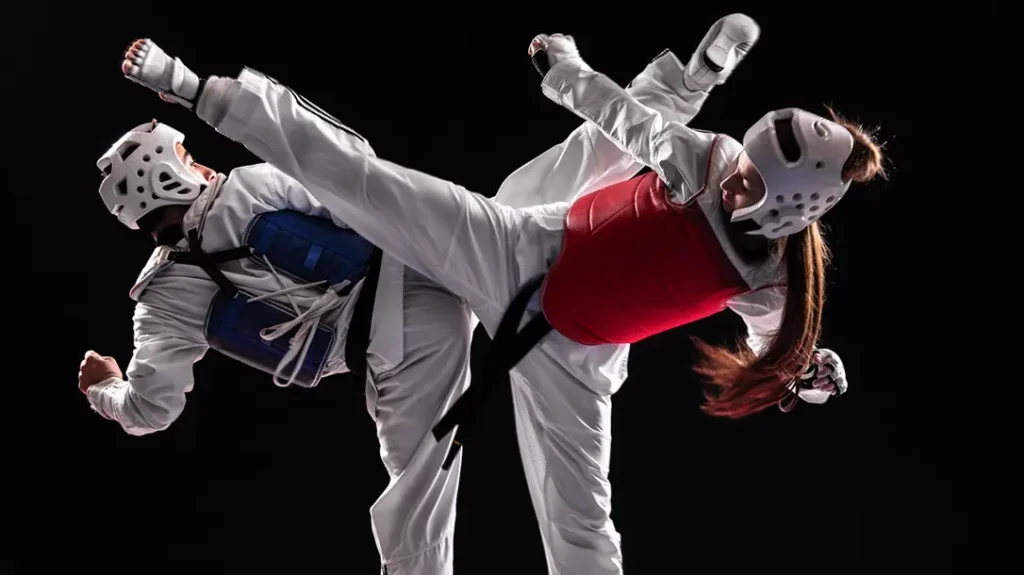
The next martial art we will talk about is Taekwondo. Taekwondo often gets mistaken for karate. Taekwondo is a Korean martial art and, in many cases, a sport. This martial art places great emphasis on kicking skills. Taekwondo has become very popular in the United States, and schools can be found almost everywhere. Like traditional Japanese karate, students will learn a number of specific forms or kata. The pros of Taekwondo include its focus on striking skills. It is a very dynamic martial art, and an excellent place for fitness as well.
Advertisement — Continue Reading Below
The cons of this art are that it is very kick-heavy. People who lack solid flexibility may face some challenges. Additionally, it is very sports-oriented, with a focus on competition and scoring points. Like any martial art, training can yield solid self-defense skills.
Krav Maga
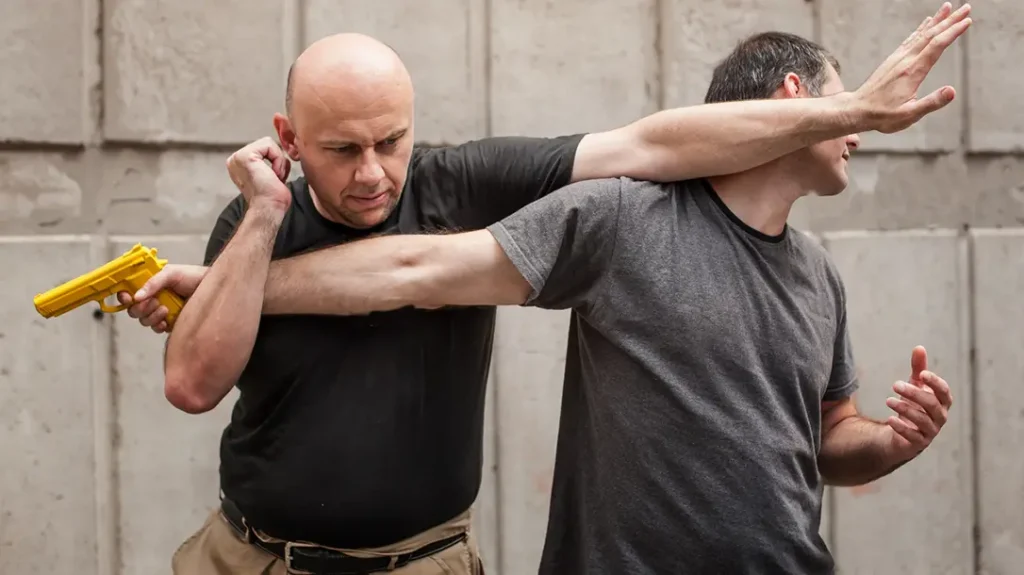
Another popular martial art is Krav Maga. This art was developed for the Israeli Defense Force and is focused on practical applications. It is a mix of multiple martial arts and is considered a true fighting art. Unlike traditional martial arts, students don’t truly learn forms or kata. Instead, they train in situational applications. If a person is grabbed in this fashion, this is the technique that works well. While not as well-known as taekwondo or karate, Krav Maga has been around for decades.
Advertisement — Continue Reading Below
The pros of Krav Maga are that it allows students to more quickly gain real-world defense skills. There is very little philosophy or underlying studies involved. The cons of this art are that there is no traditional sparring in the classes. While not always the case, most schools teach in a one-two-three fashion. These classes can also be physically challenging, as many Krav Maga schools include physical fitness training.
Ju Jitsu
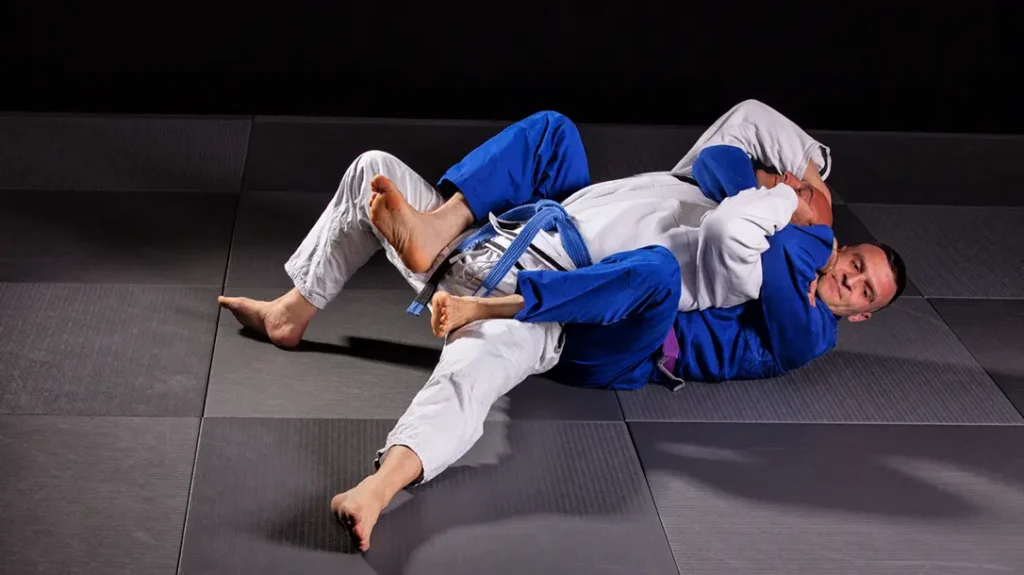
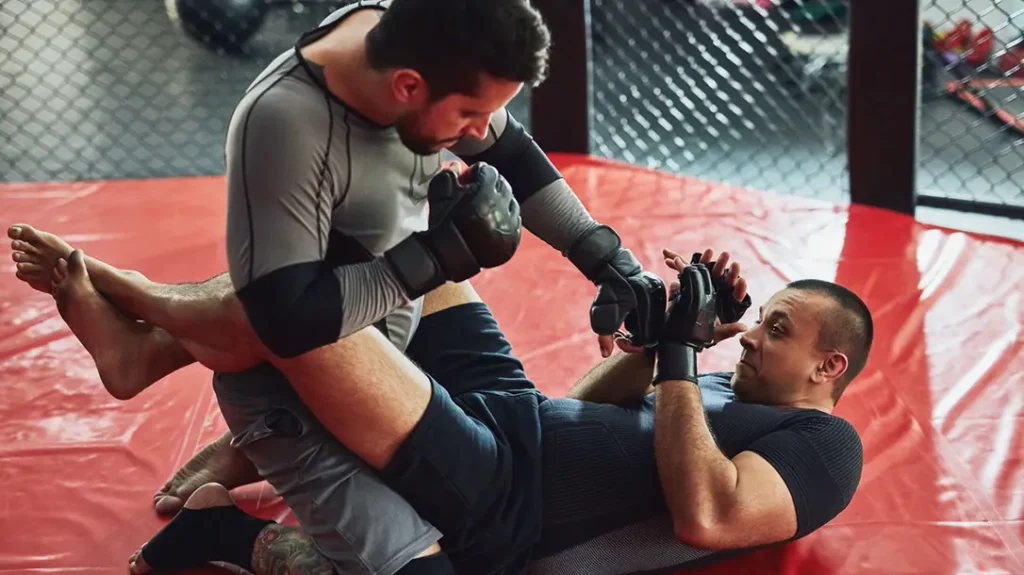
The next martial art we will discuss is jujitsu. This art has become incredibly popular over the years, and schools can be found all over town. It is important to understand that there are two versions of jiu-jitsu. Traditional Japanese jiu-jitsu is much like karate in that students are taught forms and techniques in a traditional fashion. In modern jiu-jitsu or Brazilian jiu-jitsu, students train more one-on-one and are taught techniques as they go.
Advertisement — Continue Reading Below
Both versions of this art have excellent applications to personal protection. It is an unfortunate fact that many physical confrontations end up on the ground. The ability to effectively control and subdue an attacker in his position is priceless.
The pros of this art include giving students solid skills in ground-based fighting. It is also a fantastic way to develop physical fitness. The cons of these arts are that striking is very rarely taught. Another criticism is that in many cases, it is competition-centric.
Advertisement — Continue Reading Below
MMA
Another martial art we will discuss is MMA. This is mixed martial arts and has become very popular as well. In many ways, MMA is like Krav Maga, as it focuses on fighting skills. There are no forms or philosophical discussions. MMA is the core of the UFC fighting competitions. People who study MMA will learn a little bit about many fighting skills. You will learn kicking and punching as well as develop your ground skills. A good MMA School can produce solid fighting skills. Additionally, physical fitness is a central part of this training.
The pros of this style are that it is very fighting-centric. Students will learn a variety of skills they can apply to personal protection. The cons are that, like taekwondo or Brazilian jiu-jitsu, they can be competition-centric. However, the essence of this training can apply to both the ring and the street.
Advertisement — Continue Reading Below
Aikido
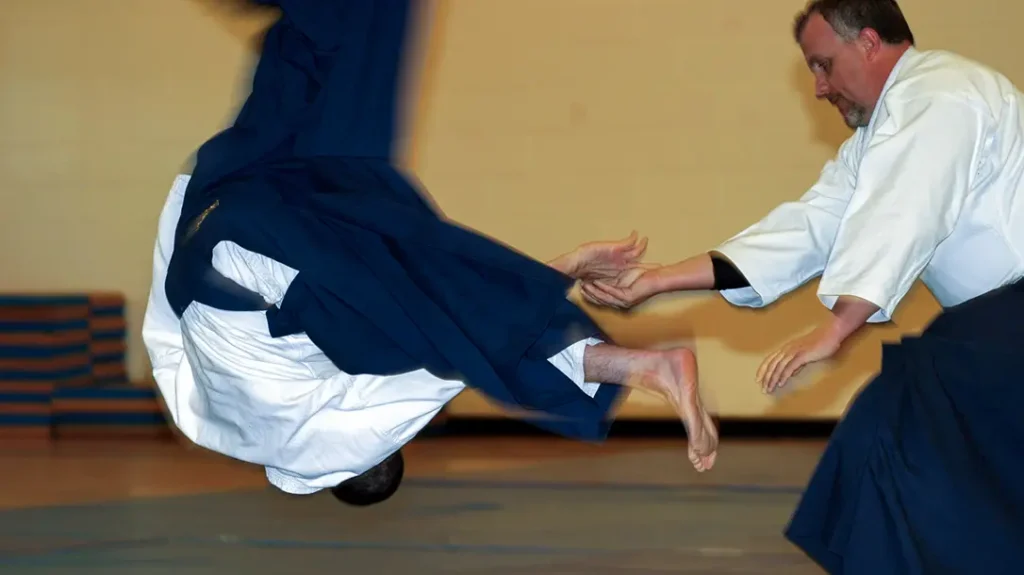
The last art we will talk about is Aikido. Aikido is a traditional Japanese martial art that is an offshoot of jiu-jitsu. This art focuses a great deal on joint controls and throws. It is also an art that teaches students how to effectively blend with attacks and more easily take down an attacker. This art, like karate and even Taekwondo, will focus on the use of traditional weapons. The benefit of this is that this training will also improve your open-hand skills.
The pros of Aikido are that it is a very fluid art and much easier on the body to learn. Under good instruction, the techniques of Aikido can be very effective. Most law enforcement agencies across the country use Aikido-style joint manipulation and control in their defensive tactics programs.
The cons of this system are that, unfortunately, many schools have moved away from teaching striking as well. True traditional Aikido utilizes strikes along with joint manipulations and controls. It is important when visiting an Aikido school that you ensure they still teach these core fundamentals.
An Introduction to Martial Arts
There are countless other styles as well. When choosing a martial arts school, it is important that you visit multiple times before making your decision. Take time to watch the classes and observe the interaction between the instructors and the students. A good instructor is patient and focused on student success. It is also important that you feel comfortable in the school and believe that you will gain something from training there. I don’t believe there are any bad or perfect martial arts. Every art has its strengths and weaknesses. My ultimate suggestion is that you train in multiple martial arts over time. This is time-consuming and challenging, but it will ultimately give you the best skill set to protect yourself.
WHY OUR ARTICLES/REVIEWS DO NOT HAVE AFFILIATE LINKS
Affiliate links create a financial incentive for writers to promote certain products, which can lead to biased recommendations. This blurs the line between genuine advice and marketing, reducing trust in the content.