One of the easiest mistakes a prepper can make is assuming that because something happens on his own property, he is free to do it.
I understand the instinct. If I own the backyard, why shouldn’t I keep six hens? If I buy a wood stove, why shouldn’t I heat my house with it? If I have branches and yard waste piling up, why shouldn’t I burn them?
The answer is that property ownership comes with layers of rules most people never read until somebody complains. Zoning codes, building permits, fire codes, air-quality rules, nuisance ordinances, HOA covenants, and setback requirements can all determine whether a perfectly ordinary homesteading project is legal on your particular parcel.
I would rather find that out before spending the money.
Backyard Chickens Are The Perfect Example
Chickens seem simple enough. A few hens give you eggs, manure for the compost pile, insect control, and one more small source of food close to home.

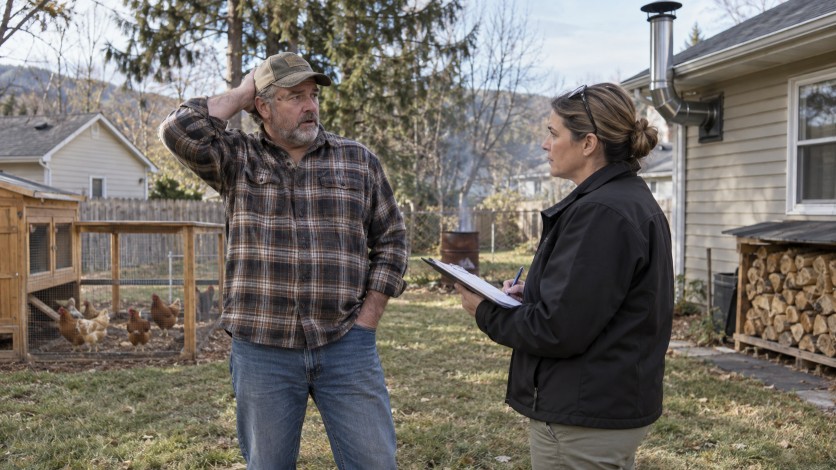
Then you start reading the local code. Some places limit the number of birds. Some prohibit roosters outright. Some require the coop to sit a certain distance from neighboring homes or property lines. There may be rules covering waste, odors, feed storage, noise, or where the enclosure can be placed on the lot. An HOA may then add another layer and prohibit poultry completely even when the city permits it.
That is why I never assume that seeing chickens in somebody else’s yard means I can legally do the same thing at my house. Their lot may be zoned differently. Their setup may predate the current rule. Or they may simply be in violation and nobody has reported them yet.
Wood Heat Can Bring Several Codes Together
A wood stove looks like independence to me. Fuel can be stored on the property, it keeps working during a blackout, and in the right location firewood may be abundant and cheap.
Installing one can involve considerably more than buying a stove and cutting a hole for the chimney. Building codes can regulate installation and clearances. Insurance companies may have requirements of their own. Local jurisdictions can regulate wood smoke, and some areas restrict burning outright when air quality becomes poor. EPA notes that some communities have rules affecting the installation or use of wood-burning appliances, including temporary restrictions during poor air-quality conditions.
If wood heat is part of my emergency plan, I want to know those rules before I depend on it. I also want the installation done correctly. A self-reliance project that produces a chimney fire or a carbon monoxide problem has defeated its own purpose.
The Burn Barrel Is Where Many People Get Surprised
Burn barrels still exist all over rural America. That does not mean you can put household trash into one wherever you happen to live.
EPA says backyard burning of household waste releases pollutants directly into the air without treatment, and federal solid-waste rules prohibit open burning of residential solid waste except for limited exemptions. States and local governments can impose additional restrictions on top of that. There is also a considerable difference between burning clean brush and burning plastic packaging, treated lumber, foam, painted material, or ordinary household garbage.
I would never assume the old metal drum behind the shed is a legal waste-disposal system. Before burning anything, I check what material is allowed, whether a permit is required, whether seasonal burn bans are currently active, and what setbacks apply.
Nuisance Rules Matter Even When The Activity Is Allowed
This is the layer people overlook most often. Something can be generally permitted and still become a problem because of how it affects the people next door.
Smoke drifts through the neighbor’s house. A rooster starts up at five every morning. Manure produces odors in the summer heat. A generator runs all night. Firewood attracts rodents because it was stacked poorly. A yard slowly fills with equipment nobody has touched in a year.
Local nuisance ordinances often deal with smoke, odor, noise, sanitation, pests, or any condition that interferes with neighboring properties. EPA also points out that communities may regulate excessive wood smoke, and that outdoor burning should account for wind direction and nearby residents. Being technically allowed to do something is only part of the job. Doing it responsibly is what keeps a complaint from turning into an enforcement case.
An HOA Can Be Stricter Than The Town
This is why I read covenants before buying property when self-reliance matters to me.
A city may allow chickens while the HOA prohibits livestock. Local zoning may allow an outbuilding while the HOA restricts its size, location, color, or visibility from the street. The county may have no objection to a large vegetable garden while the neighborhood rules prohibit the fencing or structures you planned to use around it.
People sometimes spend thousands of dollars building something and then discover the restriction was sitting in paperwork they received the day they bought the house. I want to know that before the first post hole is dug.
Rural Property Does Not Automatically Mean No Rules
This is another assumption worth avoiding. Moving outside city limits may give you more freedom, but county rules, state environmental regulations, fire restrictions, septic requirements, building codes, and deed restrictions can all still apply.
Even acreage can carry setbacks. A creek may bring environmental restrictions with it. A well and septic system can dictate where other structures are allowed to go. Agricultural zoning may permit activities that residential zoning on the next road over does not.
Two pieces of land five miles apart can operate under very different rules. The property itself matters far more than the word “rural” in the real-estate listing.
Four Things I Check Before Building
Before I spend serious money on a self-reliance project, I look at the property from four directions.
First, zoning and land-use rules, so I know what is allowed on that specific parcel and whether setbacks or permits apply. Second, building, fire, and environmental rules, especially for anything involving combustion, electrical work, fuel storage, water, or waste. Third, HOA documents and deed restrictions, if any exist. Fourth, nuisance ordinances covering smoke, odor, noise, animals, weeds, and outdoor storage.
If the answer is still unclear after all that, I ask the appropriate local office before building rather than after. Getting the answer in writing is better still.
Think About Visibility Before You Build
I also consider whether a project is likely to attract unnecessary conflict. A neat chicken enclosure behind a privacy fence creates a very different impression from a muddy coop sitting beside the neighbor’s patio. A properly installed chimney producing little visible smoke draws less attention than somebody burning wet wood all afternoon. A well-maintained garden looks nothing like a yard full of abandoned equipment.
Good stewardship is part of keeping self-reliance sustainable. I want my property to show that the systems on it are intentional, clean, safe, and maintained. That does more for long-term independence than constantly fighting complaints.
Check The Rules Again Before You Expand
Rules change, and so do neighborhoods. A project that was allowed when I installed it may face new restrictions later, particularly when air quality, wildfire risk, water use, or development patterns shift in the area. EPA’s examples of wood-burning ordinances show how differently communities can approach the same activity, ranging from temporary burn restrictions to rules affecting certain stove installations.

I keep permits, manuals, inspection documents, and other records for every major system on the property. If questions come up years later, paperwork is a great deal easier to produce than memories.
Protect Your Ability To Be Self-Reliant
I want chickens. I want backup heat. I want gardens, stored fuel, useful tools, and the ability to solve more problems on my own property without calling somebody. That makes understanding the rules more important, not less.
A $3,000 wood stove that has to come back out is wasted money. A chicken coop that violates a setback may have to be moved. A burn barrel used illegally can produce fines and a neighbor who now watches everything else you do. The smartest time to find those problems is while the project still exists on paper.
So before I build, I find the chokepoints first: zoning, permits, HOA restrictions, air-quality rules, and nuisance ordinances. Then I design around them. Self-reliance works much better when nobody shows up afterward and tells you to tear it back out.