



NEWYou can now listen to Fox News articles!
A potentially deadly “flesh-eating” bacteria has killed five people in Louisiana this year, a sharp rise from the state’s typical death toll.
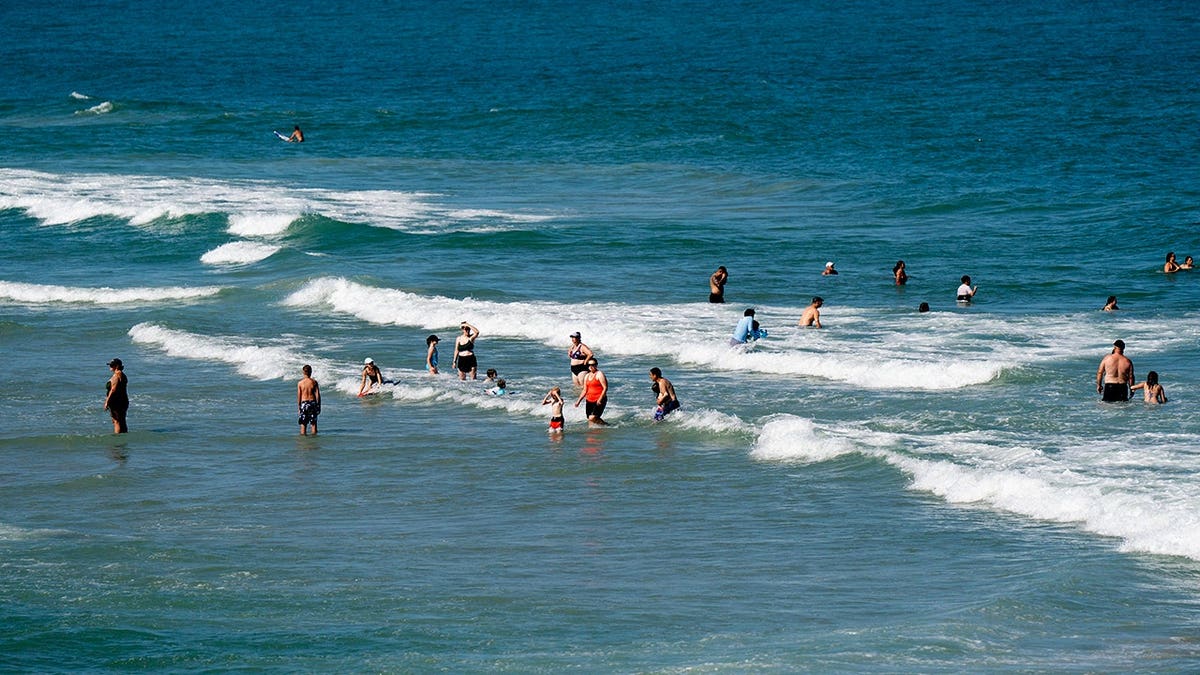
Health officials are warning beachgoers to take extra precautions before heading into the water.
Vibrio vulnificus is part of a wider group of Vibrio bacteria. Found primarily in warm, coastal waters, it can cause serious, potentially life-threatening infections when contaminated seawater enters an open wound, according to the CDC.
DEADLY BACTERIA FOUND IN WATERS NEAR LUXURY VACATION DESTINATION AHEAD OF SUMMER
Infections can also occur when someone eats raw or undercooked shellfish, especially oysters.
The Louisiana Department of Health has reported nine cases and five deaths so far this year. All nine cases were linked to people entering seawater with open wounds, and all of the infected patients had existing medical conditions, officials said.
In previous years, the state has averaged seven cases and one death.
Vibrio bacteria are found in higher numbers from May to October, when water temperatures are warmer, the health department noted.
CLICK HERE FOR MORE HEALTH STORIES
Although infections are rare, Vibrio vulnificus can cause an illness called vibriosis, often marked by vomiting, diarrhea and abdominal pain, as well as potentially severe skin infections.
“People with severe infections may require intensive care or limb amputation,” Louisiana health officials warned. “About one in five people with Vibrio vulnificus infection dies, sometimes within a day or two of becoming ill.”
Initial signs and symptoms of a Vibrio skin infection include fever, redness, pain, swelling, warmth, discoloration and discharge, per the CDC.
While healthy people generally experience only mild symptoms, those who are immunocompromised or have chronic liver disease can face serious health risks.
CLICK HERE TO SIGN UP FOR OUR HEALTH NEWSLETTER
If Vibrio vulnificus enters the bloodstream, it can cause advanced illness marked by fever, chills, septic shock and blistering skin lesions.
Some severe cases can cause an infection called necrotizing fasciitis, which is when the flesh around an open wound dies, the CDC cautions. This rare side effect has led to Vibrio vulnificus being described as “flesh-eating bacteria.”
Diagnosis and treatment
The bacterial infection is diagnosed by testing cultures obtained from stool, wounds or blood, according to health officials.
For mild infections, the CDC recommends increasing fluid intake to prevent dehydration.
Those with severe or prolonged infections should receive antibiotics to improve survival rates.

For patients with infected wounds, surgery may be necessary to remove dead tissue.
About one in five people will die from the infection, sometimes within a day or two of becoming ill, the CDC states.
Prevention tips
Health officials caution against entering warm saltwater or brackish water if any fresh cuts, scrapes or wounds are present.
TEST YOURSELF WITH OUR LATEST LIFESTYLE QUIZ
It’s also recommended to avoid consuming raw oysters and other raw shellfish, and to avoid cross-contamination of other foods with raw seafood or its juices.
Protective gloves should be worn when handling raw shellfish.
CLICK HERE TO DOWNLOAD THE FOX NEWS APP
Those with liver disease, cancer, diabetes, HIV or thalassemia (a group of hereditary blood disorders) — as well as those who are taking immune-suppressing medications — are at a higher risk of complications and should take extra precautions, the CDC warns.