


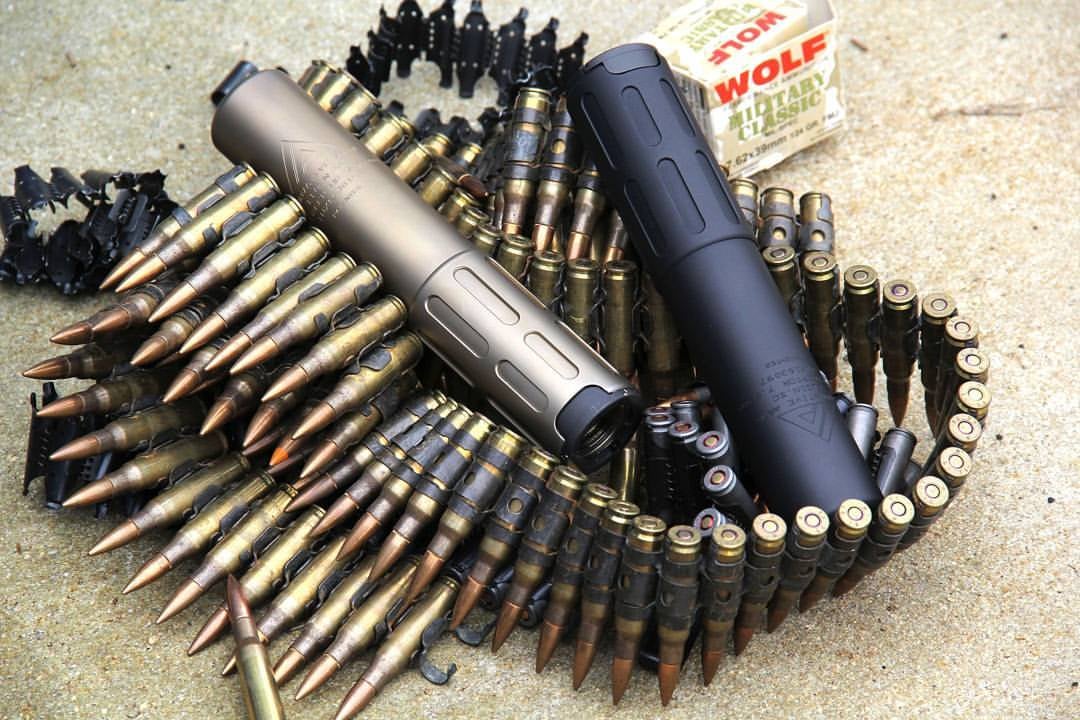
My first suppressor was a traditional K-baffle user-serviceable design, and honestly, it never felt overly complicated to me. I’d take it apart after a good range session, brush everything down, and put it back together. At the same time, I can totally see the appeal of a monocore design. Sometimes you just want to yank out one solid core, give it a quick clean, and be done.
Both styles get the job done when it comes to quieting your rifle or pistol, but they each bring their own trade-offs depending on how you shoot and how much maintenance you actually enjoy. Silencer Shop sees this question pop up all the time with people looking to pick up a new suppressor, so let’s walk through it like we’re standing at the bench comparing options together.
A traditional K-baffle stack uses separate cone-shaped baffles that create swirling chambers inside the tube. A monocore takes the whole baffle system and machines it from one solid piece of metal, usually stainless or titanium, that just slides into the outer tube.
I have seen both 3D printed polymer and aluminum machined monocore suppressors, but they are rare and often suffer from aggressive wear under normal shooting. The main benefit of a monocore suppressor is obviously its simplicity for the end user, while individual K-baffles allow for deeper, more meticulous cleaning.
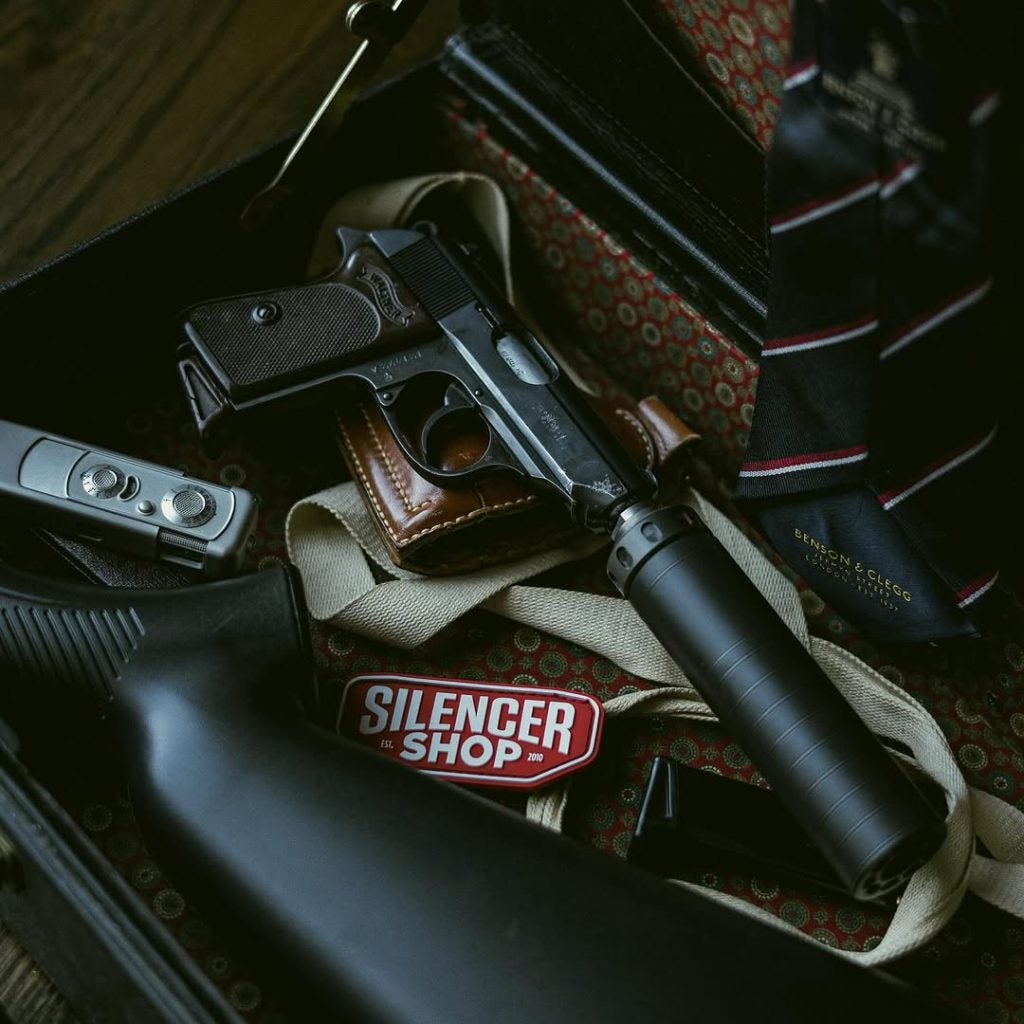
Benefits of Traditional Suppressor Baffles
That first K-baffle suppressor of mine gave me solid sound reduction and a nice, deep tone once it warmed up. The separate baffles, in addition to allowing for easier maintenance and replacement of any damaged baffles, also allow the end user to sometimes optimize the flow of the gases within the suppressor, sometimes reducing back pressure, and other times simply optimizing the suppressor to contain the most gas possible for the greatest reduced sound.
Sometimes this can even eliminate or reduce first-round pop compared to some monocores. On that initial cold shot, you sometimes get a sharper crack because of all the oxygen inside the can, but with a good baffle stack, it settles down fast.

Cleaning, while often billed as being more complicated or putting the user at risk of improperly reassembling their suppressors, is often straightforward. Unscrew the end cap, slide the baffles out, hit them with solvent and a brush or toss them in the ultrasonic, then reassemble carefully so everything lines up.
After doing it a few times, it became routine, kind of like breaking down my AR for a deep clean. I liked being able to inspect every surface and really get the lead and carbon off, especially when it comes to my rimfire cans, which often get the worst leading out of any of my suppressors.
Where Monocore Designs Make Life Easier
On the flip side, monocores keep things stupid simple. You pull one solid core out, clean it like one big part (often in an ultrasonic cleaner), and slide it back in. No chasing individual baffles around the bench or stressing about getting the stack order wrong.
This is a big win for .22LR owners, where lead residue loves to build up fast. Models like the SilencerCo Sparrow 22 use a rugged stainless monocore that comes out easily and wipes down in minutes.
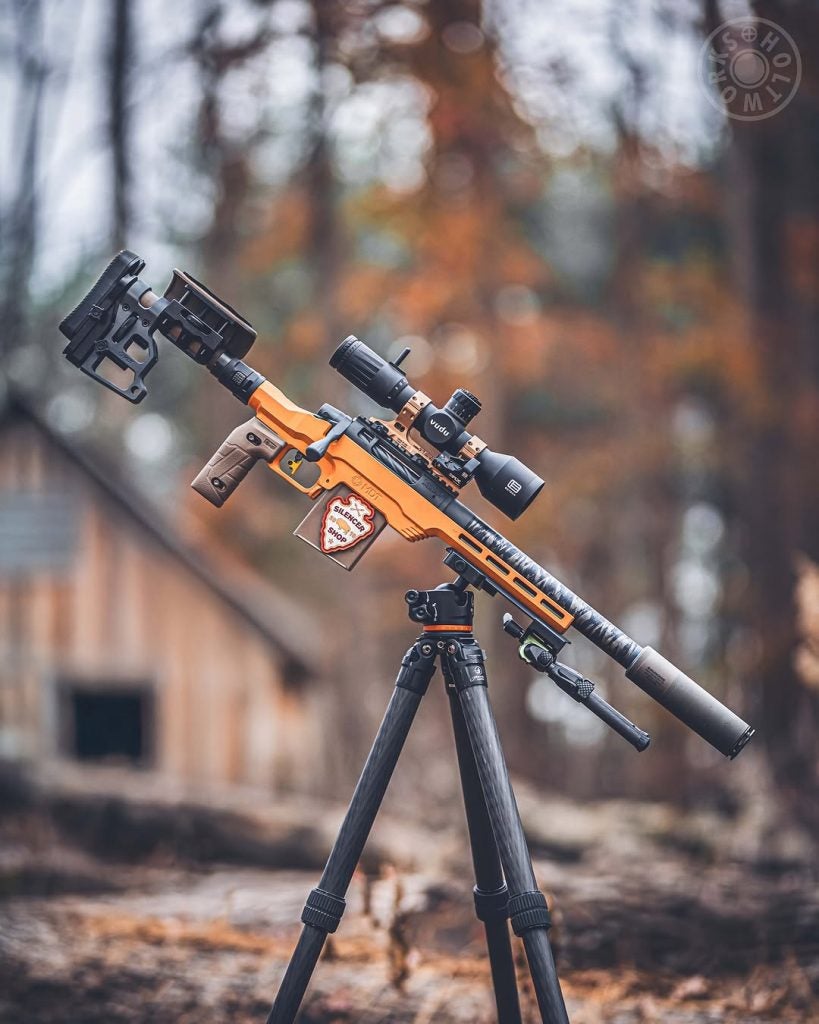
Monocores also tend to be a touch lighter and more consistent shot-to-shot because there are fewer seams or loose pieces that could shift. That consistency feels good on a lightweight SBR when you are running drills or hiking with a suppressed small-game rifle. The trade-off is usually a bit more noticeable first round pop on that very first cold shot, but for most plinking or range work, it fades after a couple rounds and stays plenty quiet overall.
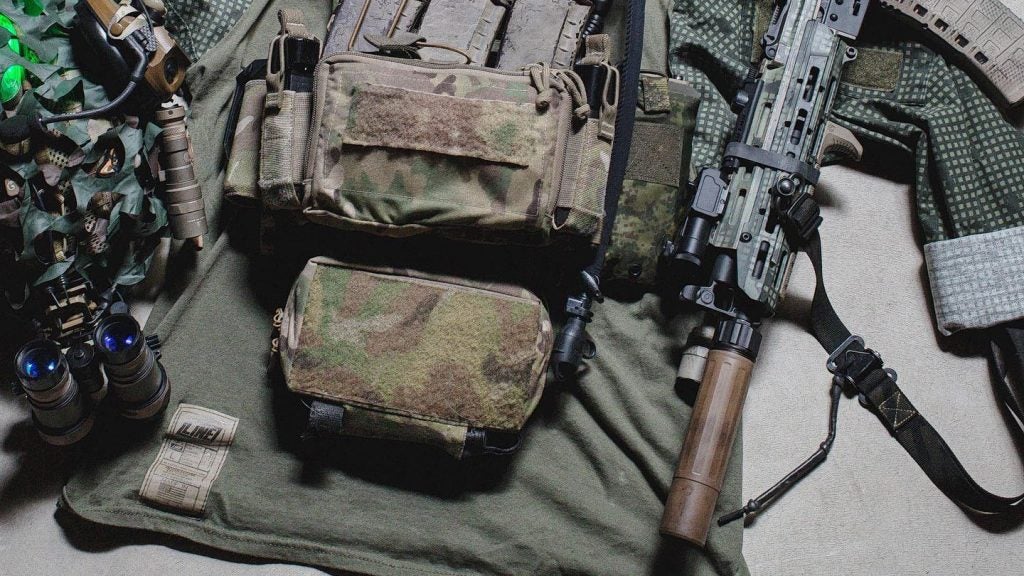
In day-to-day shooting, both designs make a huge difference as long as the suppressor is designed properly. Whether you are running a 5.56 SBR for drills or a .22LR for backyard plinking, a good suppressor cuts the concussion and muzzle blast enough that range sessions become way more enjoyable, and sometimes with the right ammo, even hearing safe.
Baffle stacks often edge out monocores by a couple of decibels and give a smoother tone, especially once everything is warm. Monocores deliver plenty of suppression with fewer variables and less maintenance hassle.
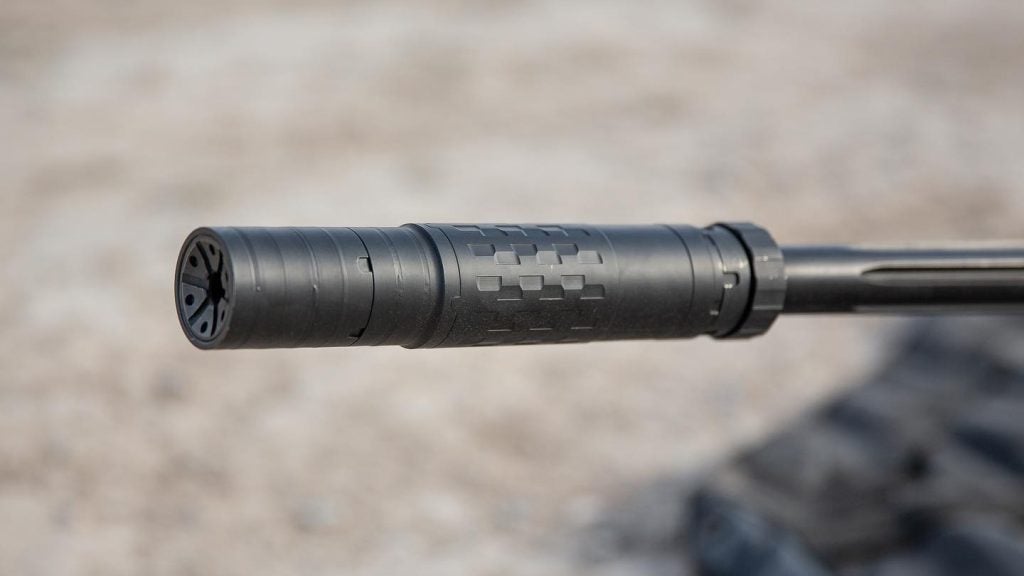
Durability is solid either way when you buy quality. Monocores have fewer potential weak points, while a well-built K-baffle stack handles high round counts just fine if you reassemble it square.
Final Thoughts
Monocore versus baffle stack is not about one being clearly better for everyone. My first traditional K-baffle worked great and never felt like a hassle, but I can see why monocores appeal when you want things even simpler. Both designs make shooting quieter, safer, and more fun once you get past the annoying paperwork. Match the design to what you shoot most.
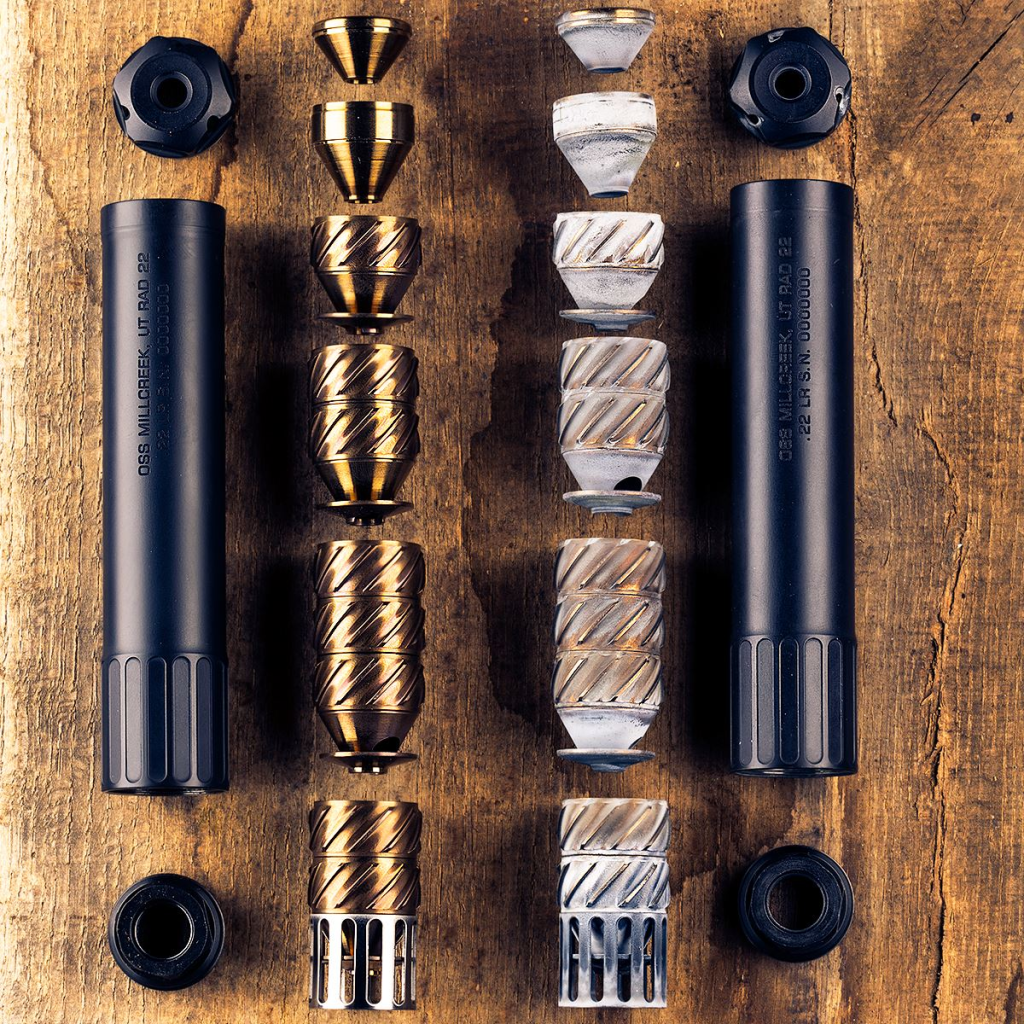
If rimfire is your main thing and you want minimal fuss and don’t mind using the manufacturer as a maintenance point, go with a monocore. If you chase every possible decibel and do not mind hands-on time, a quality K-baffle stack still has plenty to offer, and you also might want to pick up some handy modern cleaning chemicals, which should keep it looking and sounding good through its entire life.
The right choice is the one you will actually use and take care of without dreading maintenance day. If you are still weighing monocore vs baffle stack for your next can — or your very first one — head over to SilencerShop.com and browse their guides or find a kiosk near you. Understanding these basics helps you start smart and enjoy suppressed shooting right from day one. Let me know in the comments what your experience has been with either design. I’m always curious what fellow shooters are running and of course, if you think one design is clearly better than the other.
More Silencer Articles on The Truth About Guns: