


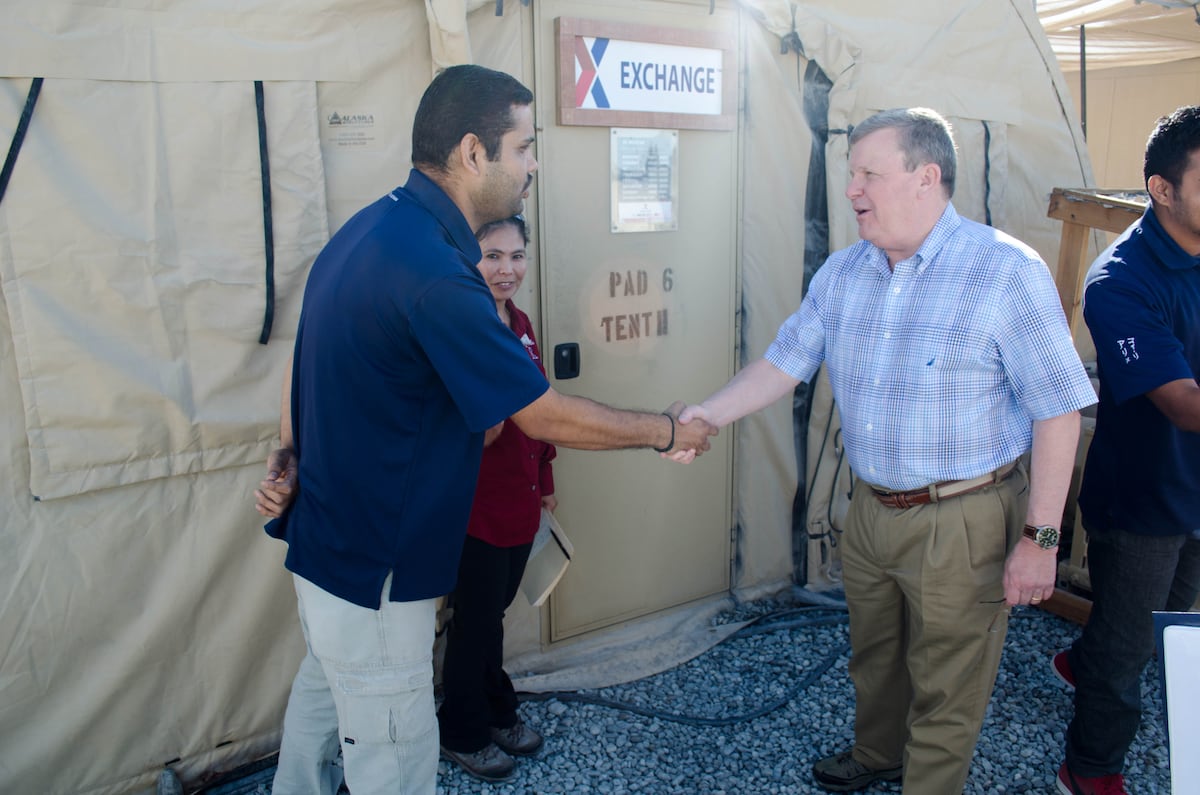
The military retail customer has changed during Tom Shull’s 14-year tenure leading the Army and Air Force Exchange Service, primarily because of the COVID-19 pandemic.
“We went suddenly from business attire to very casual, and that happened overnight, so we had to adjust very quickly to that shift,” he said during a recent interview with Military Times.
Even now, customers haven’t returned completely to previous norms, he said. There have been some significant shifts in tastes, and fashion needs have focused more on beauty products and footwear.
“We’re meeting the needs of the customer, as customers transition to a different focus, both in apparel and in other categories,” Shull said.
Shull, who retired in June, is the longest-serving director in AAFES’ 131-year history and the first civilian to serve in that position. He’s an Army veteran and came into the job with a variety of commercial retail experience, where his primary focus was improving the customer experience.
AAFES and all the services’ exchange systems are open to eligible military customers of all branches of service.
In his 14-year tenure, Shull fought to extend the online exchange benefit to all honorably discharged veterans; reduced AAFES’ debt from $2.4 billion to zero; increased customer satisfaction to 95%; fought off efforts to privatize or consolidate military stores; and weathered the COVID-19 pandemic to keep stores open and customers safe, among other accomplishments.
“Tom Shull spent his career working on behalf of service members and military families,” said Eileen Huck, director of government relations for the National Military Family Association. “He recognized the importance of the exchange to military families, especially those stationed overseas, and worked tirelessly to ensure that military families had access to essential products at reasonable prices.”
When he came aboard in 2012, Shull changed AAFES’ heavy focus on private-label brands and included more choices in name brands in a variety of areas.
“We should have focused on the fact that our service members want to receive the same respect and opportunities that their counterparts do off the installation,” Shull said, noting that he made decisions based on data.
The agency pivoted to expand choices of name brands like Michael Kors and Ralph Lauren, and it focused on providing new movies. It showed first-run movie premieres in deployed areas and offered name-brand eateries on installations, he said.
The exchanges provide these products and services at varying discounts, but purchases are also tax-free. AAFES has been expanding to partnerships with companies like Home Depot and Bass Pro Shops.
AAFES still provides a robust selection of private-label options, which are generally cheaper.
Primary focus: young troops and families
AAFES’ core customers are young, active-duty service members and their families, Shull said.
“We do everything we can to provide for their needs,” he said.
Their efforts have paid off: In 2025, AAFES’ customer satisfaction rating was 95%, up two points from 2024. Ten years ago, the rating was 68%.
RELATED
Part of meeting the needs of the military community has been expanding their customer base.
“His greatest legacy was expanding the benefit to a larger veteran group,” said Steve Rossetti, president of the American Logistics Association, representing companies that sell products and services to the military resale community.
Under Shull’s leadership, AAFES’ customer base has more than doubled, from 12 million to 30 million. It expanded its online shopping benefit to all veterans who served honorably.
“It was one of those things that I was so honored to be a part of,” Shull said. “It took us a long time,” he said, but it is a meaningful benefit for veterans to be able to shop online tax-free.
Since Veterans Day 2017, when they became eligible, more than 1 million veterans have created accounts on ShopMyExchange.com, spending $700 million. Previously, veterans who didn’t retire from the military generally didn’t have online exchange shopping privileges.
In addition, since Jan 1, 2020, all veterans with service-connected disability ratings from 0% to 100% can shop in-store at military exchanges, and more than 600,000 have used their new benefit in AAFES stores.
“Our customer really values their lifelong connection to the military community, and that really is apparent, not just in their gratitude for being able to receive this benefit, but in terms of sales and earnings that we can then dedicate to active duty service members and their families,” Shull said. “Veterans and even disabled veterans pay forward to support active duty.”
RELATED
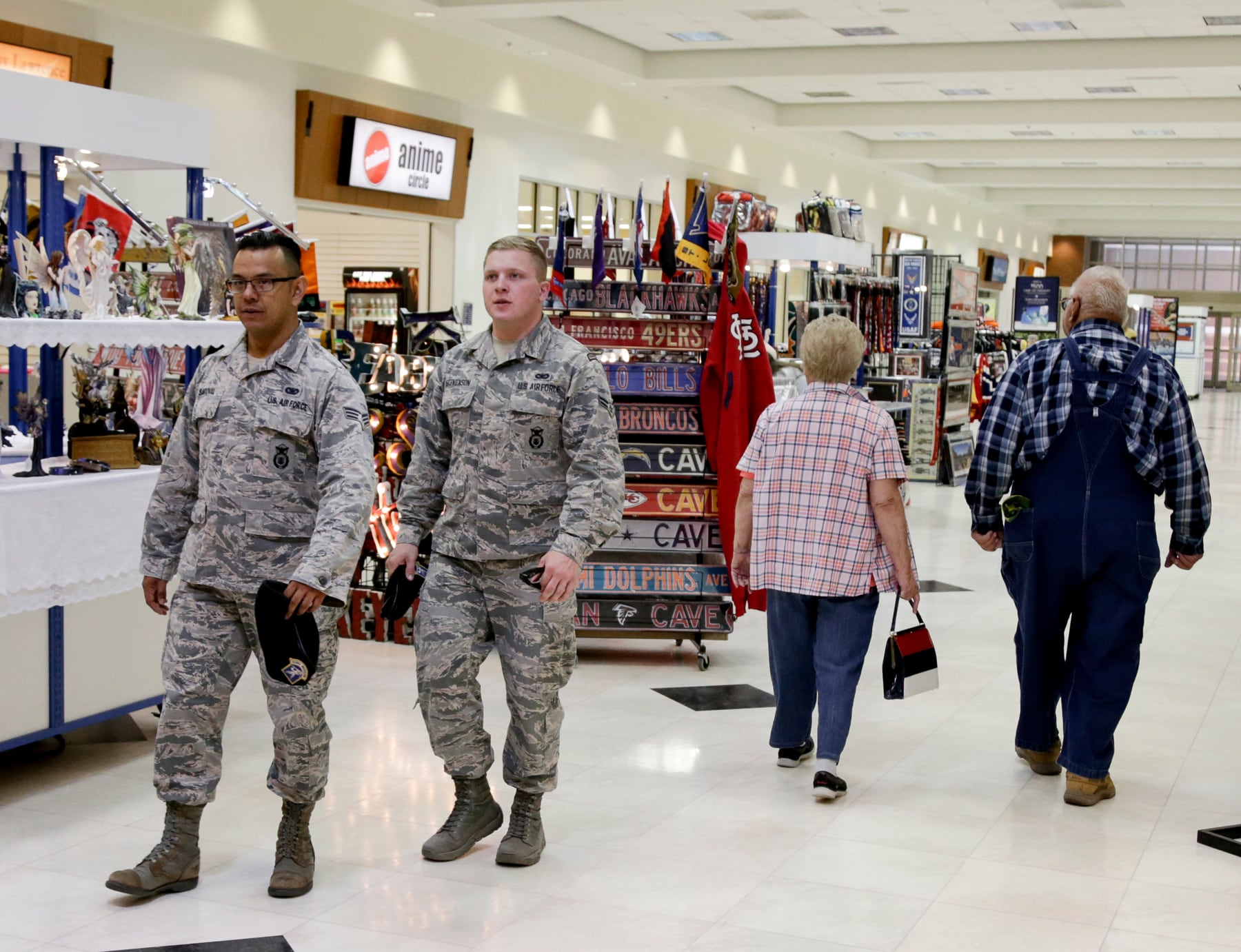
AAFES has returned about $3.4 billion in dividends out of profits to the military community to support quality of life since 2012.
“That has become really more important than ever, especially as during certain times with certain administrations there has been a shortage of appropriated funds to support quality of life,” Shull said.
Looking back on his time as director, Shull’s biggest challenge was navigating the COVID-19 pandemic. The AAFES team aggressively acquired personal protective equipment, such as masks, gloves and acrylic protective screens, and it balanced the safety of employees and customers in a great time of uncertainty, while continuing with the ever-important mission to provide needed products to military customers.
The exchanges first experienced the effects of the pandemic in the Pacific, then in Europe before the disease moved to the continental United States.
Throughout his tenure, Shull led the effort to shore up AAFES’ financial underpinnings. The agency reduced its debt load by $2.4 billion, down to zero, giving AAFES more flexibility and capacity to move quickly to fund operations in various circumstances.
The team has aggressively reduced its overhead costs. Without furloughs or layoffs, it reduced the number of personnel by 40%, from 40,000 to 24,000, through attrition.
“We pay our associates well and executives well,” he said, but they don’t exist to pay high bonuses or to give extraordinary dividends to shareholders. “We exist to serve soldiers, airmen, guardians, Marines, sailors and their families,” Shull said.
A ‘sacrosanct’ benefit
In his years at AAFES, Shull has come to describe the military resale system as “sacrosanct.”
“I feel that passionately,” he said, “because it’s such an important benefit.”
He’s weathered multiple efforts, mostly within the Defense Department, to privatize, consolidate, or otherwise drastically change the commissary and exchange benefits.
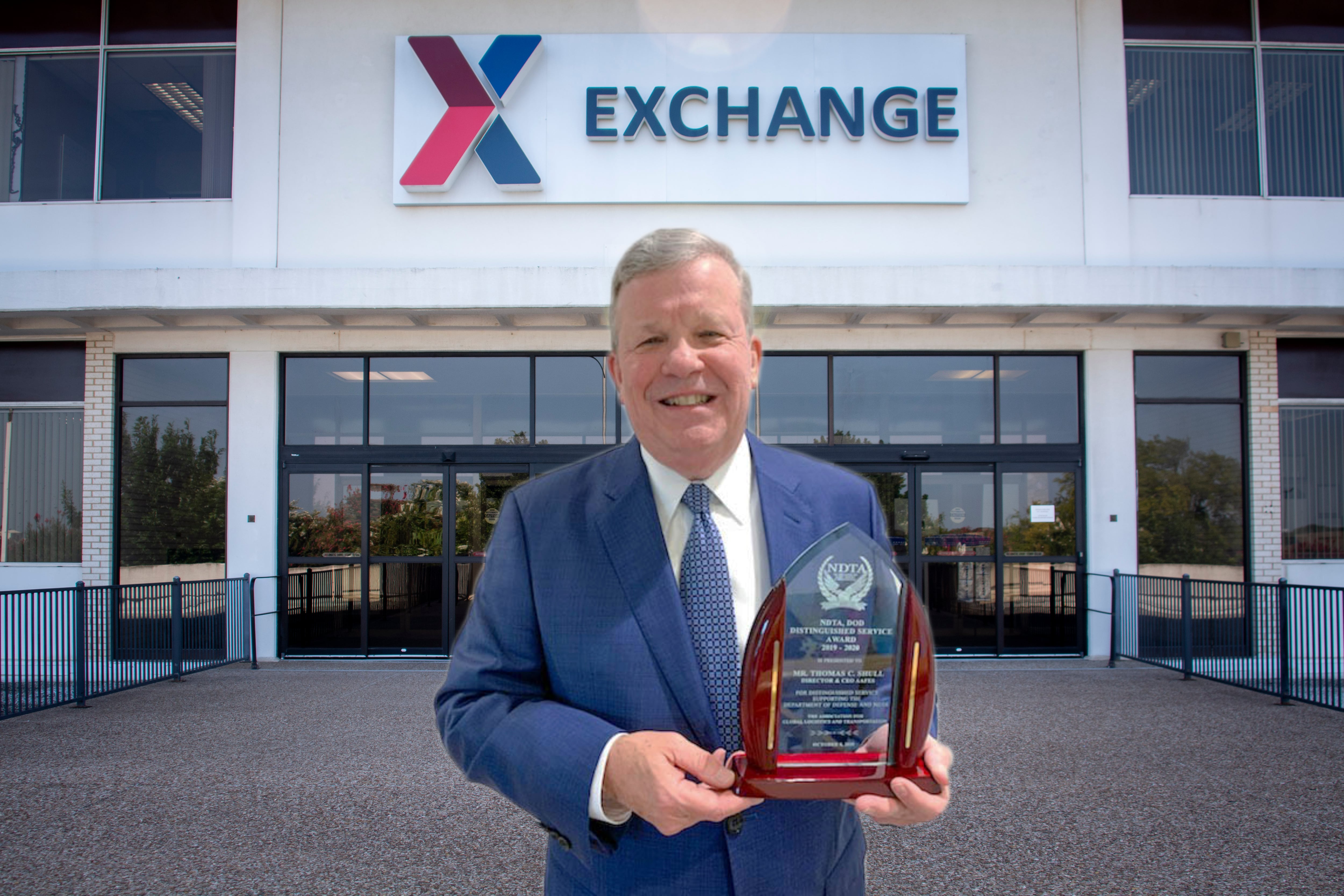
“There’s always been a very high reluctance by retailers if they were interested in acquiring the stores, to support service members down range, among other things,” he said.
AAFES has more than 300 operations supporting deployed troops in Southwest Asia, Eastern Europe, the Pacific and Africa.
“We have 24 mobile field exchanges, which aren’t inexpensive, 53-foot retail trailers that rapidly deploy to disaster zones, contingency locations, training exercises, without any taxpayer dollars,” he said. “A commercial retailer would shutter exchange facilities in remote and isolated locations, because there would be no financial justification for keeping them open.”
In addition, there would be no financial incentive for private sector stores to sell military clothing items at cost; or to serve the 3.5 million school lunches AAFES serves at DoD schools overseas each year at cost; or to contribute profits to installations’ quality of life programs.
Commercial entities might not put the same emphasis on hiring military spouses and veterans that AAFES does, which has resulted in hiring 68,000 since 2013, he said. Not all of those are still within the AAFES ranks, but they do have access to an associate transfer program, where spouses can apply for jobs wherever their spouse may be stationed in the next permanent change of station move.
AAFES has also increased the credit toward retirement from five to seven years for veterans joining their workforce.
The next steps for Shull remain to be determined.
“I want to spend more time with my family. They’ve been so supportive. The reason I’ve been able to continue to focus on the military is because they’ve been so supportive … Serving those who serve has been the honor of my life,” he said.
RELATED
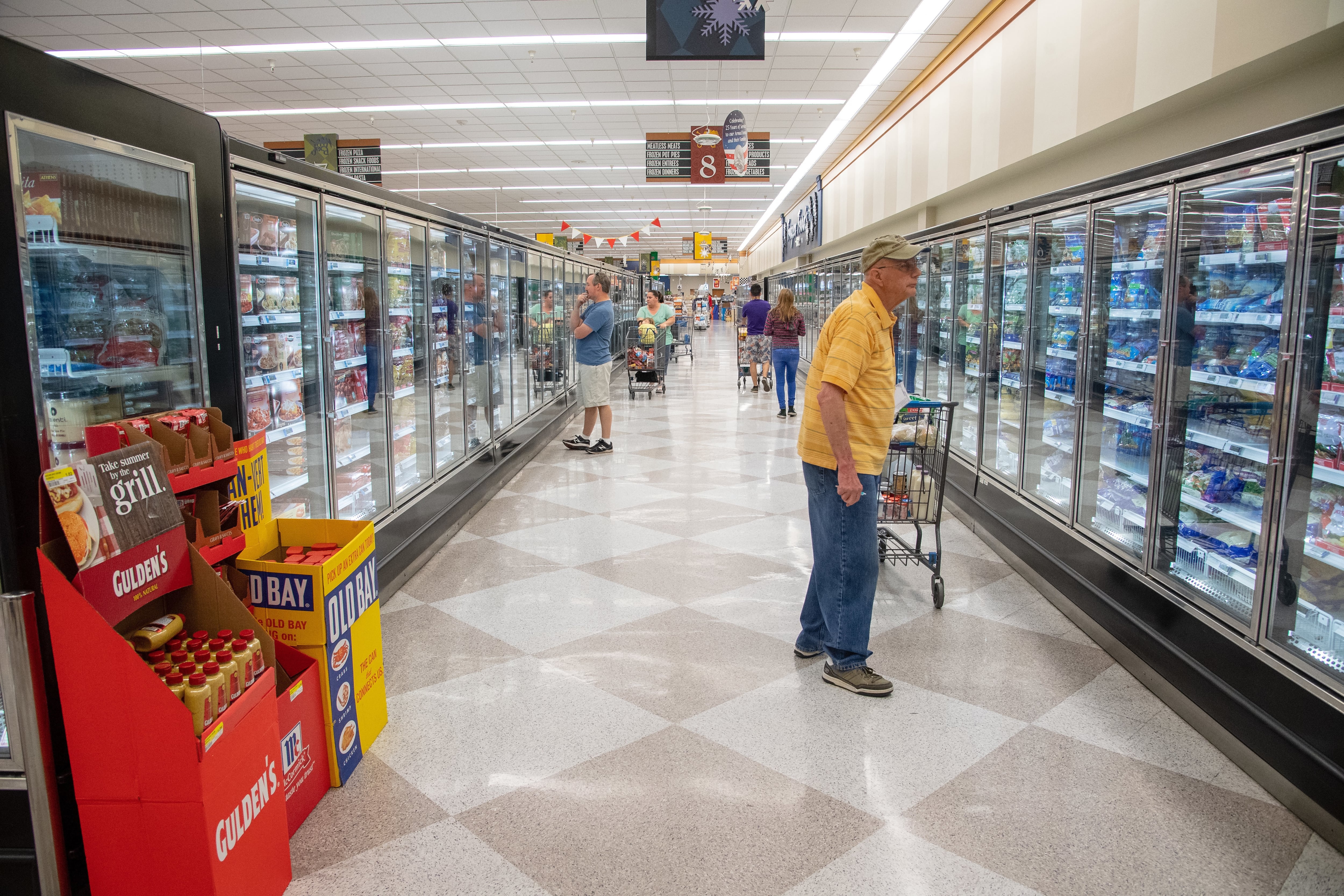
He’s confident AAFES will be in good hands with the next director and CEO, Brad Bingham.
The two have worked together for 14 years. Bingham was most recently deputy director and chief financial officer.
“He’ll be very committed to continuing the positive momentum we began 14 years ago. He understands our culture, he understands the need to focus on the core customer, the service members and their families,” Shull said. “The time is right for me to move on. I’m ready to have the next generation carry this great company forward.”
Karen has covered military families, quality of life and consumer issues for Military Times for more than 30 years, and is co-author of a chapter on media coverage of military families in the book “A Battle Plan for Supporting Military Families.” She previously worked for newspapers in Guam, Norfolk, Jacksonville, Fla., and Athens, Ga.