


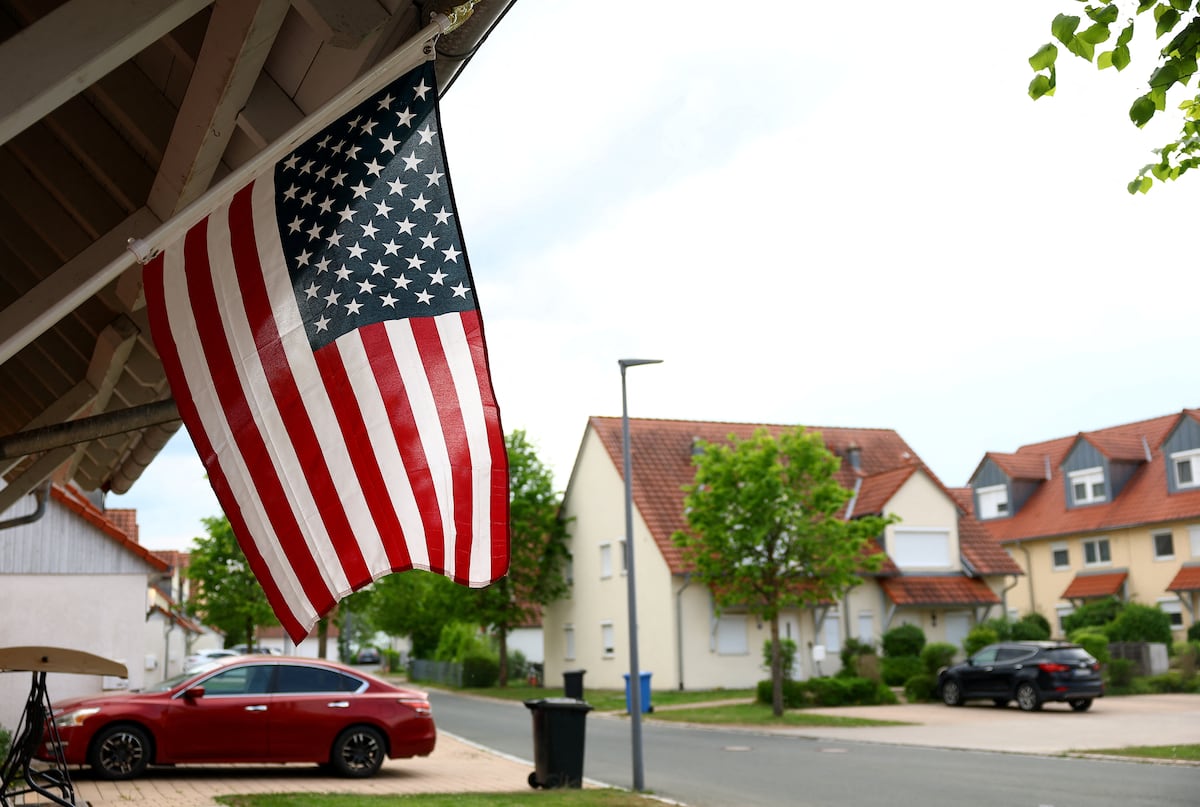
Vilseck, Germany — The picturesque Bavarian town of Vilseck has hosted U.S. forces since the end of World War Two and could bear the brunt of President Donald Trump’s decision to withdraw at least 5,000 troops from Germany.
Although details of the units affected by the order have not been confirmed, the 2nd Stryker Cavalry Regiment — the only permanent brigade combat team in Germany — based at Rose Barracks in Vilseck is expected to go.
“The consequences would be dramatic,” said the town’s new mayor, Thorsten Graedler, who took office this week facing the prospect of thousands of job losses in a rural area where the base is one of the biggest employers for miles around.
Over the years, he said, the presence of the base, with its thousands of well‑paying jobs for local people and steady stream of customers for local businesses, had produced a situation of dependence whose risks were now being felt.
“Our entire town of Vilseck relies largely on the military training area for its livelihood — pubs, restaurants, garages, supermarkets,” he said.
U.S. wants Europe to spend more on defense
The decision to withdraw troops came amid increasing pressure from Washington on European countries to raise defense spending, and accusations that reliance on U.S. forces had allowed them to neglect their own militaries.
During Trump’s first term there was already talk of withdrawing the 2nd Cavalry Regiment, a brigade‑sized combat formation built around Stryker wheeled armored vehicles, but the plans were reversed under former President Joe Biden.
“It’s important to say that it hasn’t been officially confirmed yet that the Strykers will actually be withdrawn. So I haven’t given up hope yet,” Graedler said.
The government in Berlin, which has sharply increased spending to rebuild the German military after years of underinvestment, said the announcement of a troop withdrawal came as little surprise.
But beyond the economic effects, the cultural shock from the news would be profound for a town whose 6,500 inhabitants are outnumbered by U.S. personnel and their families.
Although numbers have declined since the height of the Cold War — when as many as 250,000 U.S. troops, as well as tens of thousands of civilian staff, were deployed to face off against the Soviet Union — their presence was an enduring reality for generations of West Germans.
By the time the Berlin Wall came down in 1989, 60% of all U.S. overseas bases were in Germany, with hundreds of other sites, most in southwestern towns like Vilseck. Many were ‘little Americas’ with their own on‑base housing, stores and facilities, but their presence left a deep mark on local communities.
“I’ve never known Vilseck any other way than living side by side with the Americans,” Graedler said.
Many U.S. soldiers enjoy life in Germany
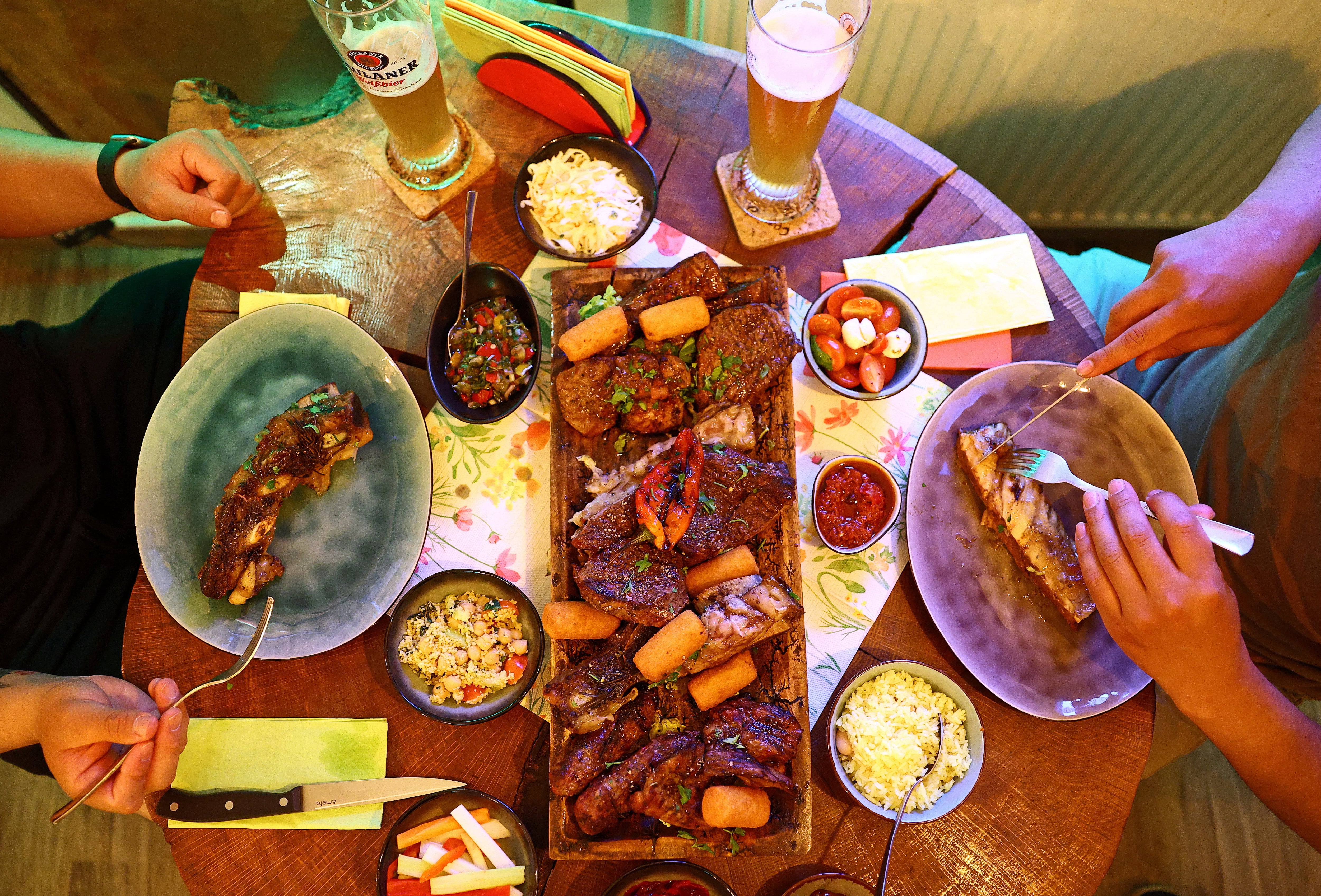
Only around 35,000 American troops now remain in Germany, the largest U.S. contingent in Europe. But even today, soldiers and their families leave a visible mark on Vilseck and nearby areas, eating at steak restaurants, shopping in local supermarkets and joining local sports and car clubs.
“I’ve been here since 2022, so about four years now. And there’s nothing to dislike about Germany,” said 31‑year‑old culinary sergeant Robert Moore, who lives about 20km north of Vilseck. He said people were friendly and respectful and “it’s very, very safe”.
Many in Vilseck said there would be an emotional sense of loss if the Americans left.
“When the Strykers arrived, we were worried they’d be a bunch of roughnecks, but they’re actually really nice,” said 66‑year‑old Albin Merkl, a pensioner who rents apartments to U.S. personnel.
“We’ve always done good business with the Americans,” he said, adding that trains to nearby Nuremberg were filled in the evenings with younger soldiers heading out for off‑duty entertainment.
Vilseck resident Judith Georgiadis, 63, who worked in base administration for 17 years, said life grew quieter following the drawdown of U.S. forces after the Cold War.
“Back in the eighties, life here was brilliant. There was a lively nightlife, with bars and pubs,” she said. With the latest news, many were apprehensive. “People who work for the Americans are afraid. There is a lot of worry.”
“The city government should have taken action long ago to address our dependence on the Americans. When you’re young, you either work for the Americans or leave,” she said.
Local businesses that provide services to the base are also exposed.
“A lot of us here — business people, I mean — built our businesses around 100% American clients,” said 64‑year‑old Robert Grassick, whose company, Vilseck Military Auto Sales, sells cars to troops and their families.
For some older residents, however, the worry that the U.S. presence would eventually end is nothing new.
“Having grown up here, I can say it’s always been a talking point: ‘They’re leaving and closing down,’” said 61‑year‑old Brenda Hutchinson, whose parents were among the many mixed couples produced by decades of close contact.
“It was already a talking point back when my father was in the army,” she said.