


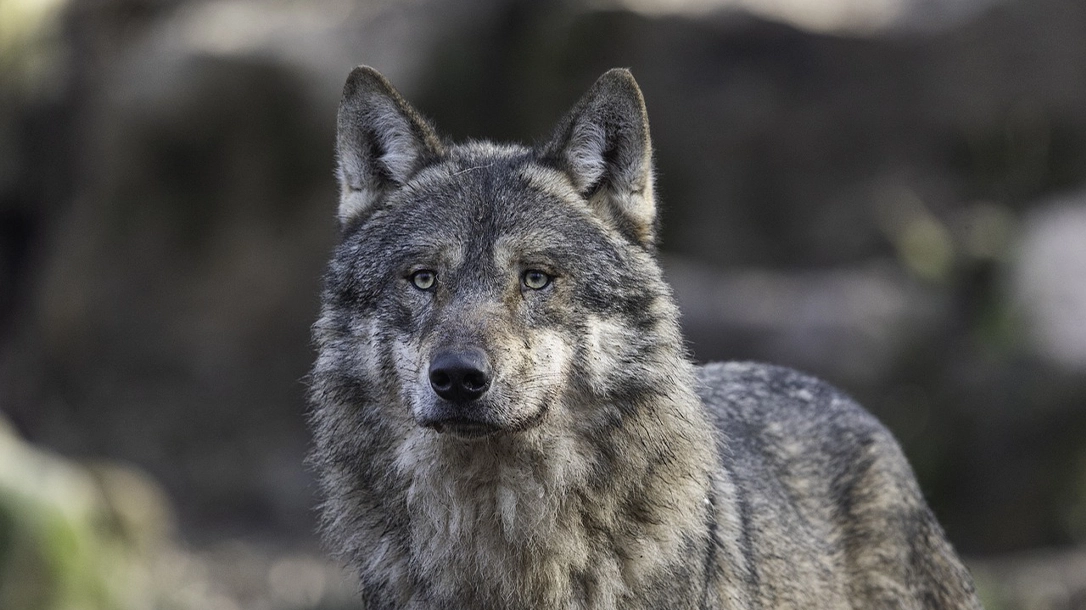
Wyoming wildlife officials are proposing a significant reduction in wolf harvest permits for the 2026 hunting season after disease outbreaks pushed wolf numbers in the Greater Yellowstone region to some of the lowest levels seen in decades.
The proposed changes would cut the statewide wolf harvest quota within Wyoming’s designated trophy game management area from 44 wolves to 22. That’s a 50% reduction from last season. If approved, it would mark the smallest regulated wolf harvest allowance since Wyoming regained management authority over wolves after federal protections were lifted in 2012.
Population Plummets Due to Distemper
According to Wyoming Game and Fish Department biologists, the primary driver behind the decline was a widespread outbreak of canine distemper during 2025. The disease, which is especially deadly to wolf pups, significantly impacted populations in the northwest Wyoming and the Greater Yellowstone Ecosystem.
State biologists estimate Wyoming’s wolf population dropped from approximately 330 wolves and 24 breeding pairs in 2024 to around 253 wolves and 14 breeding pairs entering 2026. Within the state’s trophy game area, which is located in the northwest corner of Wyoming, numbers reportedly declined 19%. This steep drop left Wyoming’s wolf population below its management objective of 160 wolves.
Wolf Numbers Down to the Wire
The decline has raised concerns because Wyoming’s wolf management agreement with the U.S. Fish and Wildlife Service requires the state to maintain at least 10 breeding pairs in the trophy game area to avoid renewed federal scrutiny. Biologists counted exactly 10 breeding pairs in 2025, leaving little room for additional population losses.
Advertisement — Continue Reading Below
“The wolf numbers in the Cody, Lander and Pinedale regions were relatively stable in 2025,” Wyoming Game and Fish wolf biologist Ken Mills told WyoFile. “The largest reduction was in the Jackson region.”
The proposed reductions are expected to affect hunting units around the Greater Yellowstone region most heavily. Areas that previously allowed double-digit harvest numbers could see quotas reduced substantially under the draft regulations.
Balancing Act of Predator Management
The proposal highlights the complicated balancing act surrounding wolf management in the West. Wolves remain one of the most politically and emotionally divisive species in North America. Hunters and livestock producers often support population control efforts aimed at limiting predation on elk, deer, and cattle. Meanwhile, conservation advocates frequently push for stricter protections, particularly for wolves dispersing from Yellowstone National Park.
As with most wolf-related policy decisions, the proposal is likely to draw strong reactions from both hunters and anti-hunters. Public comments are being accepted through June 10. Wyoming Game and Fish Commission is expected to review the proposal during its July meeting.
Advertisement — Continue Reading Below
WHY OUR ARTICLES/REVIEWS DO NOT HAVE AFFILIATE LINKS
Affiliate links create a financial incentive for writers to promote certain products, which can lead to biased recommendations. This blurs the line between genuine advice and marketing, reducing trust in the content.