


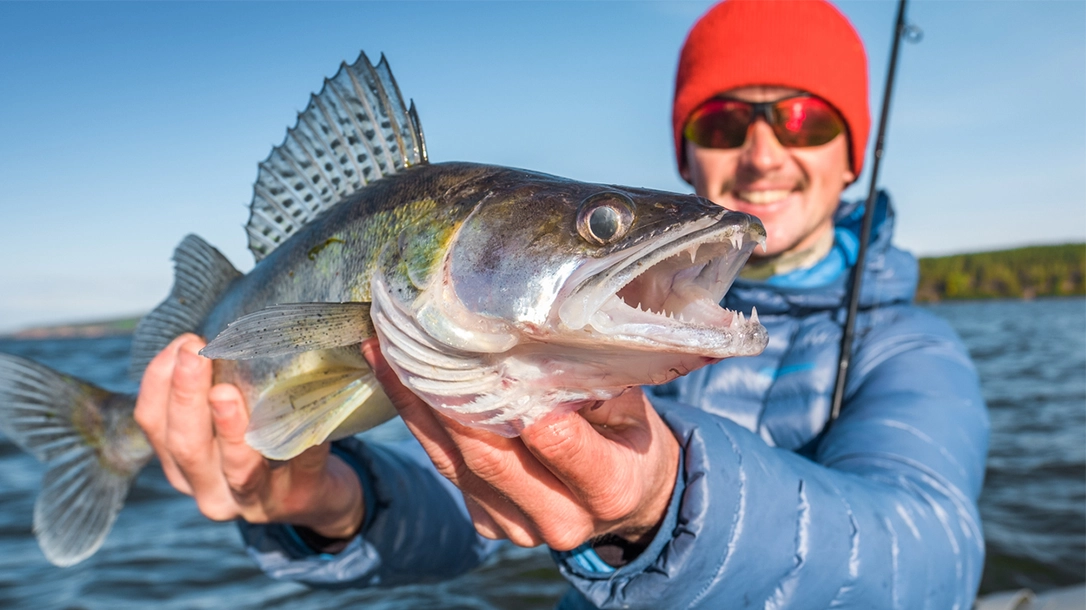
Walleyes are unique fish to target and one of the most exciting freshwater predators to chase. They are closely related to perch, but are larger with more elongated bodies. In this article, we’ll dive into where walleye live, why they behave the way they do, and a few practical tips that can help put more fish in the boat.
Location Is Key
Walleyes have large, cloudy-looking eyes, which are specially adapted for seeing in low-light conditions. Because of that, they thrive in darker environments and are most active during low-light periods like dawn, dusk, and nighttime.
They’re aggressive predators that favor rocky structure, deeper water, and areas with limited sunlight penetration. During the day, walleyes typically hold in deeper water or heavy cover where bright sunlight doesn’t reach as easily. Their eyes give them an advantage in dim conditions, but they’re also very sensitive to bright overhead light.
If you’re targeting walleyes, one of the best things you can do is fish deeper water. Even when surface temperatures rise above 65 degrees, these cold-water-loving fish tend to stay deeper where temperatures remain cooler year-round.
Advertisement — Continue Reading Below
How to Catch Them
Now that we’ve covered where walleyes like to live, let’s talk about how to catch them.
Every angler has their own tricks and favorite methods for walleye fishing, so take this as a combination of personal experience, fish behavior, and a little science. There are plenty of ways to catch walleyes, but one of the best approaches is targeting moving water on cloudy days in colder, deeper areas.
Cloud cover creates consistent shade and helps keep water temperatures cooler. It also gives walleyes an advantage when hunting because they can spot bait more easily in dim conditions.
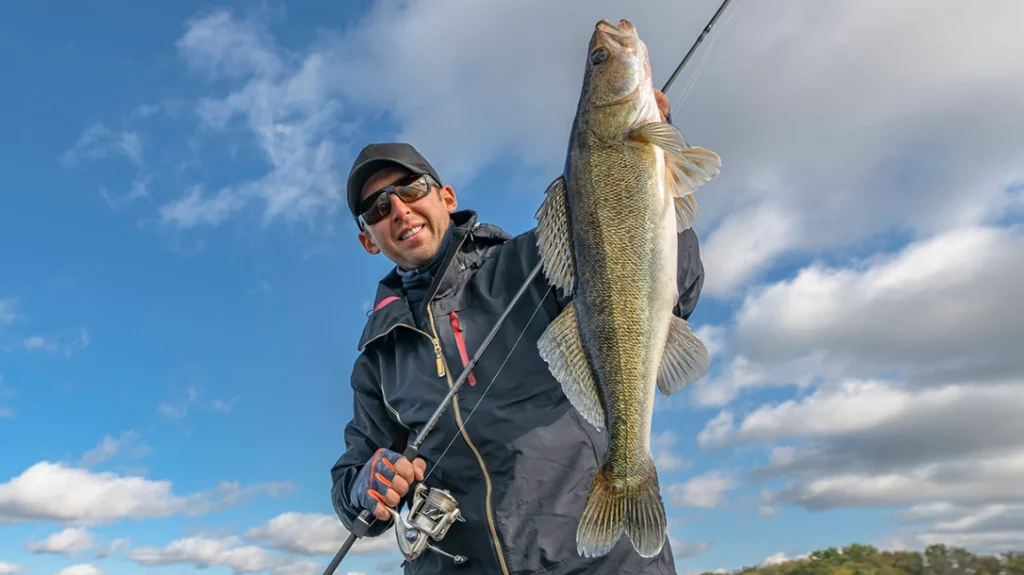
Moving water can be especially productive. Many anglers refer to a choppy water surface as “walleye chop.” Wind-driven current and wave action stir up baitfish and create ideal feeding conditions for walleyes. Current also helps oxygenate the water and keeps temperatures stable.
Advertisement — Continue Reading Below
And when it comes to bait, live bait is hard to beat. Rather than imitating prey, you’re presenting the real thing. The scent, vibration, and natural movement of a live minnow can trigger strikes from even stubborn fish.
If you’re fishing in roughly 30 to 40 feet of water under these conditions, you’ll often find healthy numbers of walleyes.
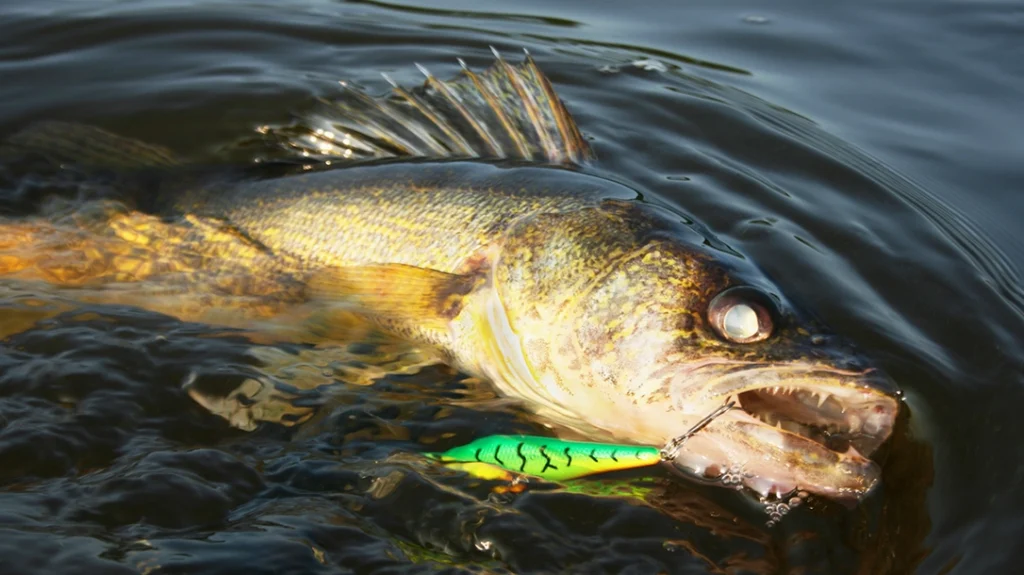
Large river systems are especially productive. The Detroit River, for example, is considered one of the country’s premier walleye fisheries thanks to its strong current, cold-water flow from the Great Lakes, and naturally darker water. During the spring run, anglers from all over gather there, and limits of walleyes are commonly caught every weekend.
Because walleyes are native to Canada and the northern United States, states like Michigan, Minnesota, and Wisconsin remain major hotspots for trophy fish throughout the year. During spring spawning periods, it’s not uncommon to see hundreds of anglers targeting walleyes on a single body of water.
Advertisement — Continue Reading Below
Final Thoughts
Walleyes generally range anywhere from 12 to 30 inches in length and can weigh between 10 and 20 pounds. In the right conditions, they can live nearly 30 years.
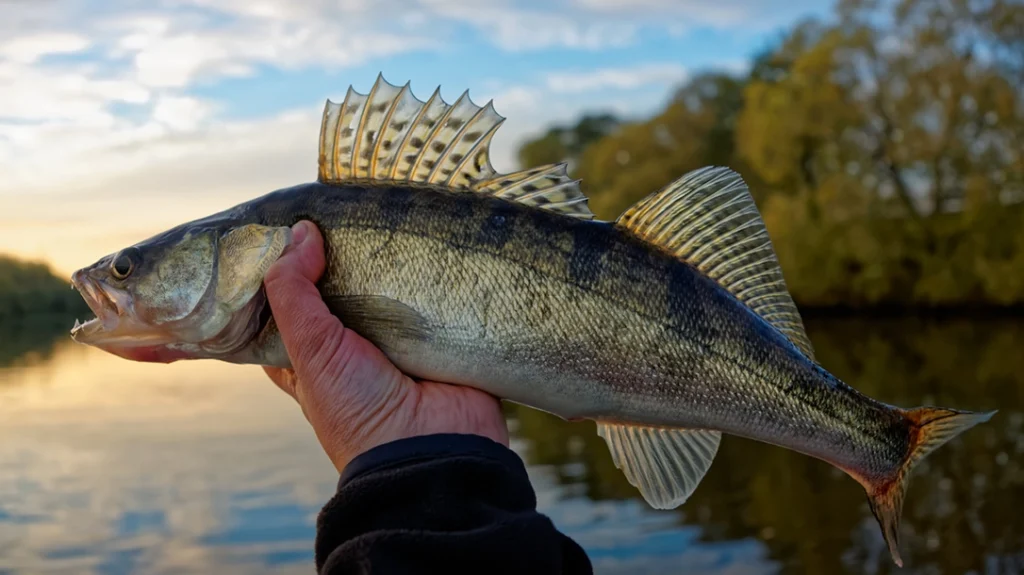
They’re incredibly aggressive when feeding, and their appearance only adds to their appeal. Their scales feel rough and armor-like, almost more reptilian than fish-like. Like their close relative, the yellow perch, walleyes are both beautiful and exciting cold-water species to pursue.
If you’re interested in trying walleye fishing for the first time, start with a medium-power rod around 6 feet 8 inches to 7 feet 2 inches long with a fast tip. Pair it with a #4 to #6 jig head tipped with a live minnow, then vertically jig just off the bottom.
In many situations, that simple setup is enough to get you started successfully, and there’s a good chance you’ll quickly become hooked on walleye fishing yourself.
Advertisement — Continue Reading Below
If you’re looking for a unique freshwater species that thrives in northern waters and delivers both a fun fight and outstanding table fare, it’s hard to beat the walleye.
WHY OUR ARTICLES/REVIEWS DO NOT HAVE AFFILIATE LINKS
Affiliate links create a financial incentive for writers to promote certain products, which can lead to biased recommendations. This blurs the line between genuine advice and marketing, reducing trust in the content.