


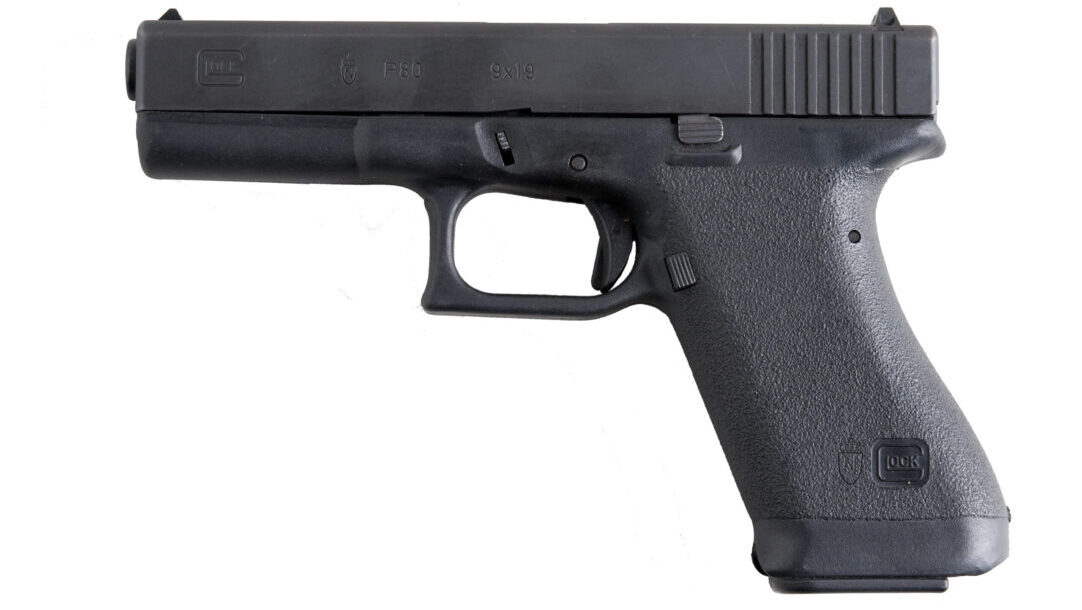
In 1982, Glock changed the world by introducing the P80 for the Austrian Army. In short order, the world changed. The polymer-frame Glock faced an uphill battle against steel purists who declared the Glock a Tupperware gun. Glock went on to not only become massively successful but to be endlessly replicated by a glut of polymer-frame, striker-fired pistols. However, Glock wasn’t the first plastic gun.
In fact, it wasn’t even the first plastic pistol. There had been a fairly long tradition of plastic fantastics before Glock took center stage. Some were great, others not so much. Let’s explore the world of polymer, err…I mean plastic before Glock swept in.
Plastic Guns Before Glock
The Remington Nylon Guns
Remington and the Nylon 66 appear to be the earliest examples of polymer-frame guns. Of course, it’s a rifle, but the stock, forend, and receiver were made from a nylon compound devised by DuPont. They slapped some metal on the sides, but it was a one-piece stock-and-receiver gun that proved remarkably reliable and popular.
Advertisement — Continue Reading Below
Remington would go on to use these same technologies to develop the Nylon 76. This would use the same nylon construction but on a lever-action rifle. As far as I can tell, this is the only lever action to ever use a polymer receiver of any kind. The 76 didn’t seem as popular as the 66, but it deserves a mention.
The Plastic Makarov
The first truly plastic pistol came from Russia. The Russians wanted to lighten up the Makarov pistol, but trying lighter metal frames wasn’t working out. Thus, they tried polymer and developed the TKB-023. The Russians aimed to reduce the Makarov’s weight by 100 grams, and the TKB-023 did so by exactly 100 grams.
Advertisement — Continue Reading Below
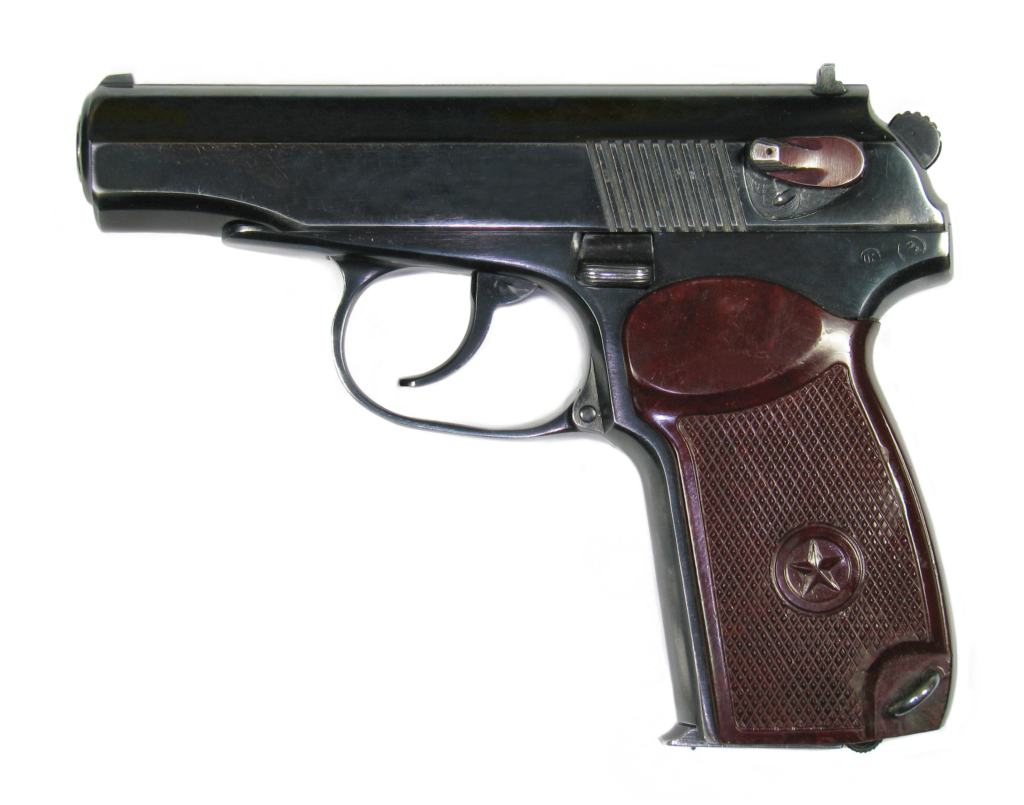
The pistol had to be altered a fair bit. The takedown process could no longer use the trigger guard but instead used a button inside it. The mainspring had to be redesigned as well. Still, the gun passed military trials, although after being frozen and dropped in one test, a trigger guard broke.
Still, the gun functioned, but the Russians didn’t pursue the plan. They weren’t confident in polymer, especially in varying temperatures. Plus, the retool would be quite expensive to save 100 grams of weight. Thus, only a few prototypes were created. Sadly, I can’t find a photo of one.
Advertisement — Continue Reading Below
The HK VP70
The first polymer pistol to make it to production. HK learned enough about polymer use with the P9S to make a sturdy polymer-framed pistol. There are two variants of the HK VP70: a machine pistol version and the normal semi-auto-only gun. The machine pistol variant even had a stock for great stability.
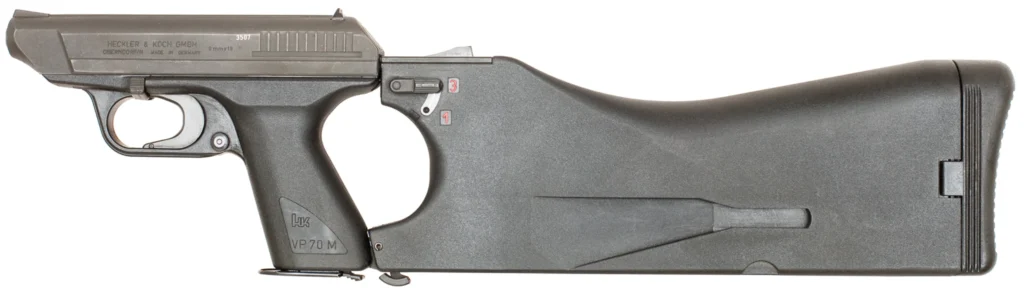
The gun used a direct blowback action, a heavy DAO trigger, a double-stack magazine, and, of course, the plastic fantastic frame. It was not a good gun. The trigger was awful; the barrel featured these deep rifling cuts to allow gas to bleed off and drop pressure due to the direct blowback design. This made your 9mms effectively .380.
Advertisement — Continue Reading Below
Still, it was a double-stack, polymer-frame, striker-fired pistol twelve years before Glock took over the market.
Steyr AUG
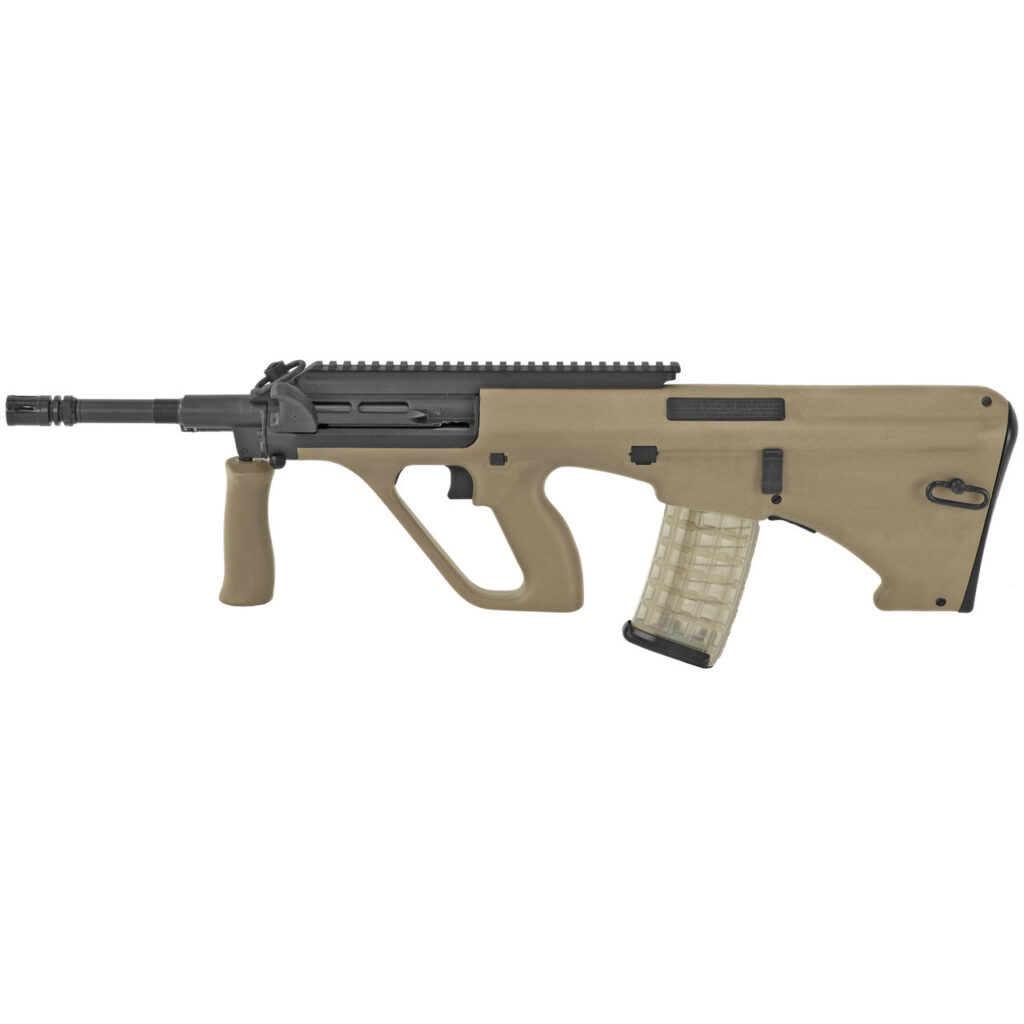
You might argue the Steyr AUG isn’t necessarily a plastic gun; it just has plastic furniture. The receiver, which is the upper portion, isn’t plastic; it just sits inside it. I think that’s a fair argument, but I don’t think we can understate just how much polymer is used in the AUG’s construction.
Advertisement — Continue Reading Below
The entire lower frame of the gun is polymer. The grip is polymer, the trigger is polymer, it just goes on and on. The Steyr AUG’s heavy use of polymer in 1977 was pretty radical. The fact that it already looked like a space gun made of polymer makes it even more radical.
The AUG was quite successful for a bullpup rifle. It’s been adopted by dozens of military and police forces, including elements of the American DHS for a short period of time. It might be the most plastic service rifle in existence.
Going Plastic
While Glock ruled the roost on polymer guns, and still does, they weren’t the first. Heck, they were the fourth, or fifth, depending on how you feel about the AUG. Polymer, or plastic, has become a mainstay of firearms design these days, so unless we discover something cheaper, lighter, and easier to work with, it’s not going anywhere anytime soon.
Advertisement — Continue Reading Below