


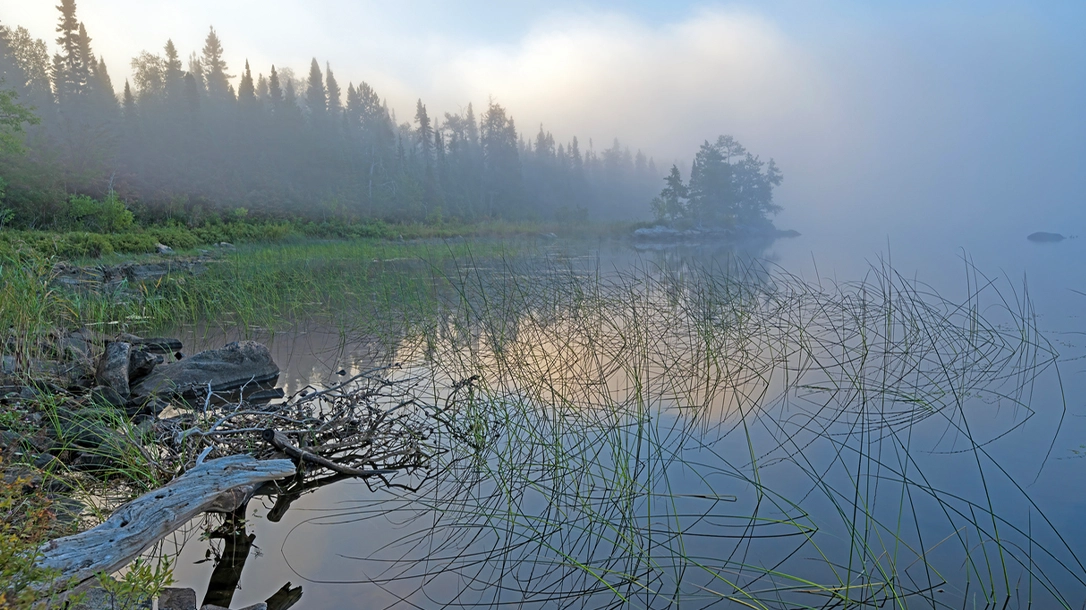
On April 16, 2026, the U.S. Senate voted 50–49 to overturn a 20-year mining ban on federal land near Minnesota’s Boundary Waters Canoe Area Wilderness.
The move clears a major hurdle for a long-contested copper-nickel mining project and sets the stage for what could become a defining fight over the future of one of America’s most iconic wilderness areas.
What the Senate Did
The vote targets a mineral withdrawal put in place in 2023 under the Biden administration, which blocked mining across roughly 225,000 acres of the Superior National Forest within the Boundary Waters watershed. By overturning that withdrawal through the Congressional Review Act, lawmakers effectively reopened the region to mineral leasing and exploration.
The resolution had already passed the House earlier this year and now heads to President Donald Trump, who is expected to sign it.
If signed into law, the decision would not only revive mining prospects in the area but could also limit future administrations from reinstating similar protections using the same mechanism.
Advertisement — Continue Reading Below
The Project at the Center of It
At the heart of the debate is the proposed Twin Metals Minnesota mine, which is backed by a huge Chilean mining conglomerate.
The project targets one of the largest undeveloped deposits of copper, nickel, and cobalt in the world, which happens to be located in Minnesota. These are minerals increasingly tied to electric vehicles and renewable energy systems.
Supporters argue the mine represents a critical step toward reducing reliance on foreign mineral imports while creating jobs in northern Minnesota.
But even with the Senate’s decision, the mine is far from approved. It must still undergo a lengthy federal and state permitting process, including environmental review and legal challenges that could delay development for years.
Why the Boundary Waters Matter
The Boundary Waters Canoe Area Wilderness isn’t just another stretch of public land. It’s one of the most visited wilderness area in the United States, a network of interconnected lakes, rivers, and boreal forest that stretches along the Minnesota-Canada border.
Advertisement — Continue Reading Below
The area sits within a sensitive watershed, so any contamination, and particularly the kind that comes from sulfide-ore mining, has the potential to spread detrimentally through connected waterways.
Environmental groups and conservation advocates warn that even minor pollution could have long-term, irreversible impacts on water quality, wildlife habitat, and culturally significant resources in and around the Boundary Waters. Previous environmental reviews concluded that mining in the region could cause lasting harm to the ecosystem.
The Great Divide
The Senate vote reflects a broader tension that’s been building for years. On one side: the push for domestic mineral production, especially as demand rises for materials used in clean energy and advanced technology. On the other: the long-standing effort to protect public lands, particularly those with high ecological and recreational value.
Even with the legislative victory, Twin Metals must still clear multiple regulatory hurdles before any ground is broken.
Advertisement — Continue Reading Below
That includes environmental impact assessments, permit approvals, and likely legal challenges from advocacy groups already preparing to contest the project in court. In other words, the Senate vote doesn’t guarantee the copper mining will happen. It does create a next step in the pathway, however.
Why This Matters Beyond Minnesota
This isn’t just a regional story. By using the Congressional Review Act to reverse the mineral withdrawal, lawmakers may have set a precedent for how future public land protections can be undone. That has implications far beyond the Boundary Waters, potentially affecting how other protected landscapes are managed or challenged moving forward.
For the broader outdoor community, including hunters, anglers, paddlers, and anyone who depends on intact public land, the outcome of this fight could have significant impact on the wild places we love.
WHY OUR ARTICLES/REVIEWS DO NOT HAVE AFFILIATE LINKS
Affiliate links create a financial incentive for writers to promote certain products, which can lead to biased recommendations. This blurs the line between genuine advice and marketing, reducing trust in the content.
Advertisement — Continue Reading Below