


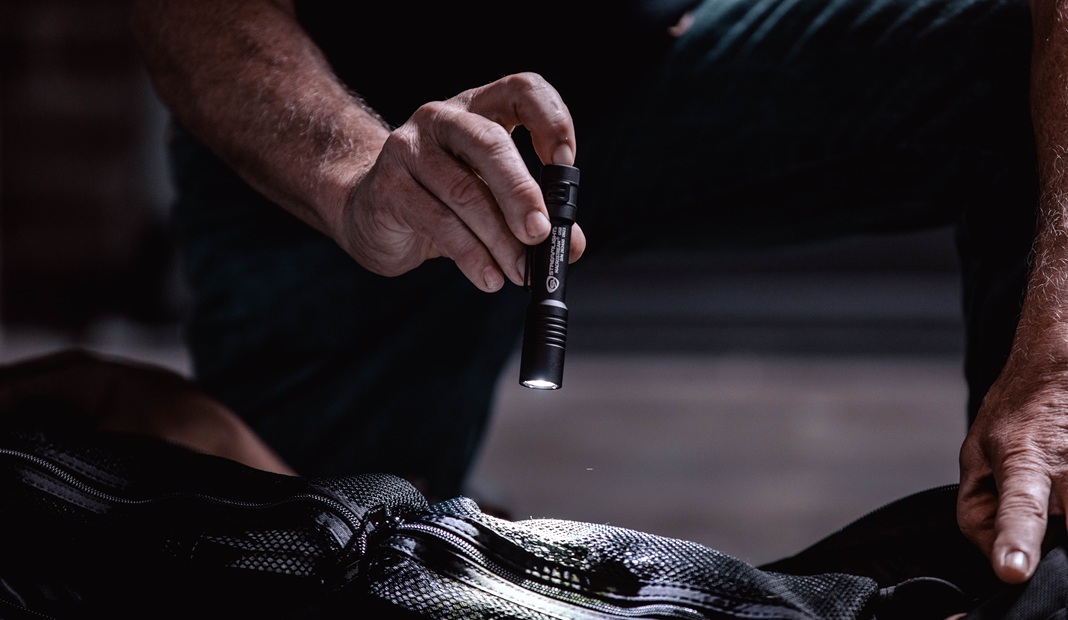
EDC, or Everyday Carry, is a vast subject, with tons of rabbit holes to chase down. At first glance, it might seem like just another way to spend money and collect shiny baubles. And, I mean, that’s not entirely incorrect for a lot of people.
At its core, though, EDC is the foundation of a preparedness mindset. Evacuation kits, Get Home Bags, Bug Out Bags, and whatnot are all great. But when an emergency occurs, you might not have easy access to any of them. You might be limited to the gear and supplies you have on your body or within arm’s reach.
Let’s look at a few guidelines to consider if you want to keep your EDC focused on practicality and actual usability.
Advertisement — Continue Reading Below
Despite what some pocket dumps look like on social media, the goal of EDC isn’t to turn anyone into Batman. The objective is simply to curate a set of gear that’s uniquely qualified to meet your own individual needs on a regular basis.
With that in mind, don’t feel like you’re supposed to carry everything you see someone else carrying. Sure, there are a few things that are considered standard EDC fare, like a knife, wallet, and flashlight. But even within those categories, you have to tailor the tools to your individual situation.
Advertisement — Continue Reading Below
I like pocket-carry fixed blades, but others find folding knives more socially acceptable in their work environment. I’m lucky, my coworkers don’t even care if I wear pants, much less what type of knife I carry, as long as I keep their food and water dishes full.
Carry What Works
It doesn’t matter how cheap or expensive it is, or if it looks cool or not. If you’re going to carry something, it should do the job it’s intended to tackle. If it doesn’t, then it’s just taking up space.
We’ve talked before about Talismans of Safety. Don’t buy something and toss it into your pack or pocket without giving it some pressure testing. This is especially true if it’s a brand you’re not familiar with or it’s some sort of knock-off of a known product.
Advertisement — Continue Reading Below
I’m not suggesting those are all inferior. What I am saying is that if you’re going to count on something for safety or security, you should be damn sure it’ll hold up under actual use.

Convenience is Critical
Let’s face facts. If something is awkward, clumsy, or otherwise a pain in the butt to lug around, you’ll end up leaving it at home. Ed Combs is a Senior Editor with Concealed Carry magazine. Some time back, he introduced me to the concept of critical pocket mass.
Advertisement — Continue Reading Below
Basically, each of us has a limit to what we can comfortably carry in our pockets. We might not know the limit off the top of our head, but it’s there.
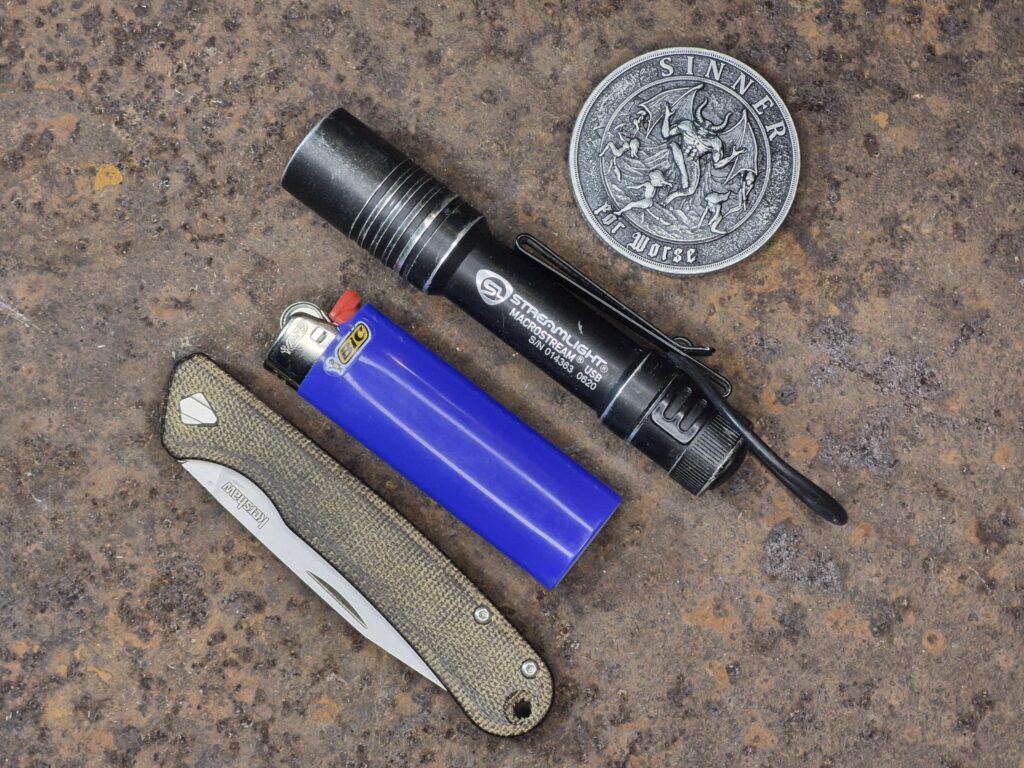
Here’s an example. Let’s say you normally carry a pocket knife, key fob, and flashlight in your right front pocket. You’re able to easily remove any one of those items as needed. But if you add just one more variable, trouble can ensue. Toss your lucky coin into the mix, and suddenly you’re all thumbs when you try to grab your light. Even changing the size of the knife or flashlight can muck up the works.
Advertisement — Continue Reading Below
If you run into a problem like that, change things up. Move things around a bit and try different carry configurations until you land on an EDC layout that works for you.
At the end of the day, you’re the one who is going to be carrying your EDC gear. It’s up to you what, where, and how you do so. But I’d encourage you to think practical and realistic, rather than trying to look like a low-budget superhero or secret agent.