



With turkey season over and the food plots planted, now is the perfect time to check your rifles before deer season arrives.
Last year’s annual sight-in day at the local range was filled with frustrated hunters. More than a few complained their rifles had been “dead on” the previous season but suddenly weren’t shooting accurately anymore. That situation is far more common than most people realize.
Every year, the shop where I work receives dozens of rifles from hunters scrambling to fix problems just before an upcoming hunt. I always do my best to help, but the better insurance policy is simple: test your rifle long before opening day.
Here are a few common problems that can cause rifle accuracy to go south.
Optics
Optics are probably the biggest culprit behind rifle accuracy issues, or lack thereof.
Advertisement — Continue Reading Below
For reasons nobody fully understands, scopes occasionally just fail. Reticles stop responding to adjustments. Crosshairs break. While it’s uncommon with quality optics, cheaper import scopes are often the ones that give up the ghost. For that reason alone, I always recommend buying the best glass you can afford. Unfortunately, once a scope fails, there’s usually no fix beyond sending it back to the manufacturer, and hunting season is the worst possible time to deal with that.
The second most common optics issue I encounter involves the mounting system itself. Aluminum may work great for soda cans, but flimsy aluminum rings and bases often don’t stand up well to hard hunting use. I have seen a few aluminum mounts hold up just fine, but overall I strongly prefer steel bases and rings.
When it comes to fasteners, Torx screws are my top choice. Allen screws tend to strip at the worst possible moments, and slotted screws get buggered up easily. While damaged screws may not always affect holding power, they certainly don’t look good.
Another major issue is improperly mounting scope bases, especially when it comes to Loc-tite. More is not better.
Advertisement — Continue Reading Below
I’ve seen rifles rendered completely unusable because someone poured Loc-tite into threaded holes and it hardened like cement inside the action. I’ve had to completely disassemble semi-auto and bolt-action rifles just to remove the dried compound from bolts and receivers.
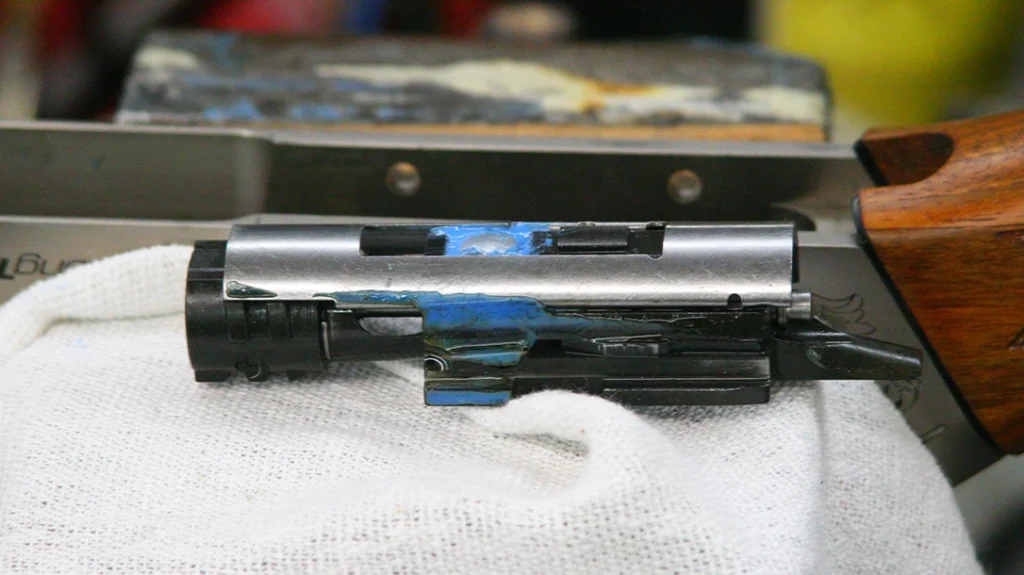
When using Loc-tite, a tiny amount is all you need. I typically place a single drop onto the threaded shank of the screw using a toothpick. That’s more than enough to hold even heavy-recoiling rifles securely. Still, every season I see rifles where someone practically flooded the screw holes with the stuff.
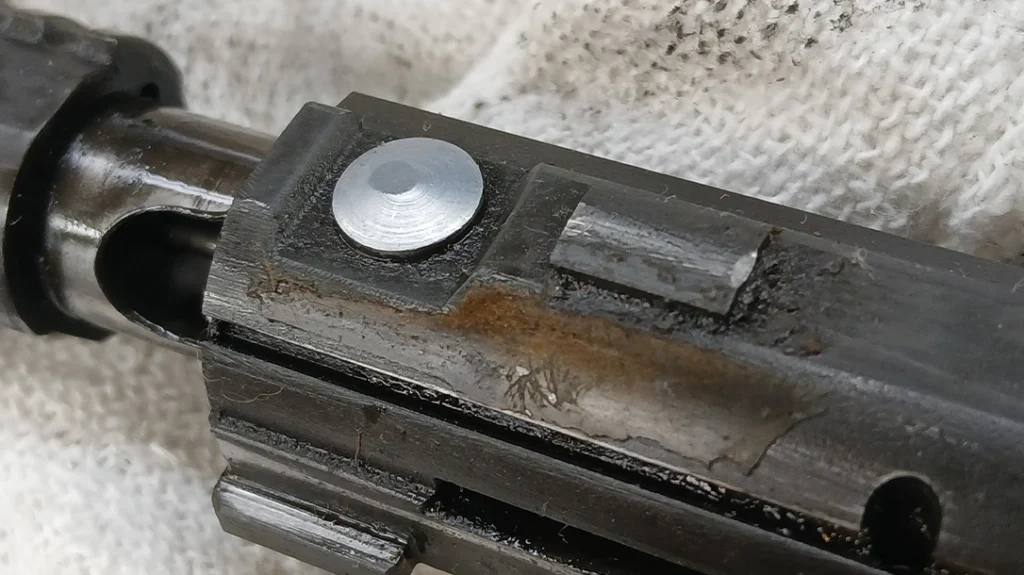
When mounting bases, always dry-fit everything first to ensure proper clearance. Even the slightest amount of screw shank protruding into the receiver can prevent the bolt from closing. Every year, the shop receives rifles where a newly installed scope base screw locks up the action completely.
Advertisement — Continue Reading Below
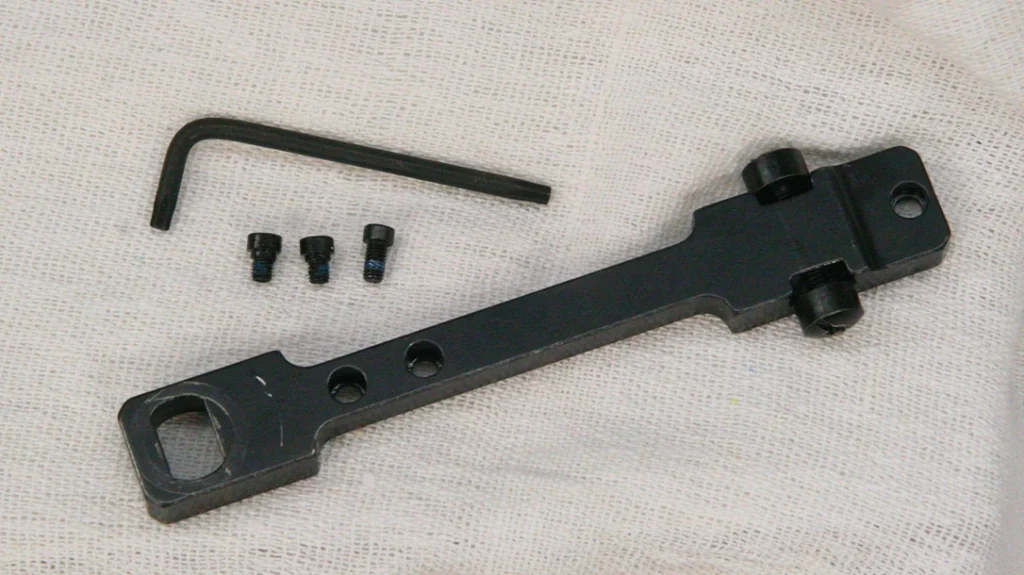
When installing a new scope base, use the screwdriver included with the base whenever possible. While T-handle drivers are convenient, they make it easy to overtighten screws and strip threads. Smaller screwdrivers naturally limit torque and help prevent damage. Always check the manufacturer’s torque specifications and tighten screws accordingly.
The Trigger
Most modern rifle triggers are self-contained units with the sear and trigger fitting tightly inside the housing. When sticky residue gets into the trigger assembly, problems start quickly.
The most common culprit is improper lubricant. WD-40 may prevent rust on lawn equipment, but over time it becomes gummy and traps dirt like flypaper. I’ve opened rifles so packed with grime that the firing pin moved in what looked like slow motion.
A quick wipe-down won’t solve problems like this. Proper cleaning usually requires a full teardown, and disassembling triggers is not for the faint of heart. That’s a job best left to professionals.
Accuracy Gone Bad
Most rifles don’t suddenly lose accuracy overnight unless something obvious happens, like a warped stock contacting the barrel.
Advertisement — Continue Reading Below
When an accuracy problem comes through the shop, I usually begin by checking the bedding in the forearm and inspecting the crown of the barrel.
In reality, most hunters will never shoot out a barrel. Barrels generally wear down over many seasons, not in a single year.
One customer recently brought in a vintage Browning Mauser rifle that had supposedly “lost accuracy” and requested a new barrel. After disassembling the rifle, I noticed the bedding had softened over decades of use. To determine whether the issue was the barrel or the bedding, I placed a small piece of cardstock under the parallel section of the barrel near the receiver, tightened the action screws, and test-fired the rifle. Accuracy instantly returned.
I explained to the customer that the barrel was still perfectly fine. After getting the go-ahead, I removed the old bedding material and re-bedded the rifle using the same cardstock as a spacer. Later, the customer told me, “That rifle never shot that good before.”
Advertisement — Continue Reading Below
On the rare occasion a barrel truly does need replacement, the work should be handled by a professional gunsmith.
Final Thoughts
This is only a short list of things that can go wrong with a hunting rifle, but regular range time can help identify problems long before opening day. A couple trips to the range each year not only expose mechanical issues early, but also sharpen shooting skills and build confidence behind the rifle.
That way, when deer season finally arrives, you can focus on where you’re going to hang that trophy mount instead of worrying whether your rifle will perform when it matters most.
WHY OUR ARTICLES/REVIEWS DO NOT HAVE AFFILIATE LINKS
Affiliate links create a financial incentive for writers to promote certain products, which can lead to biased recommendations. This blurs the line between genuine advice and marketing, reducing trust in the content.
Advertisement — Continue Reading Below