


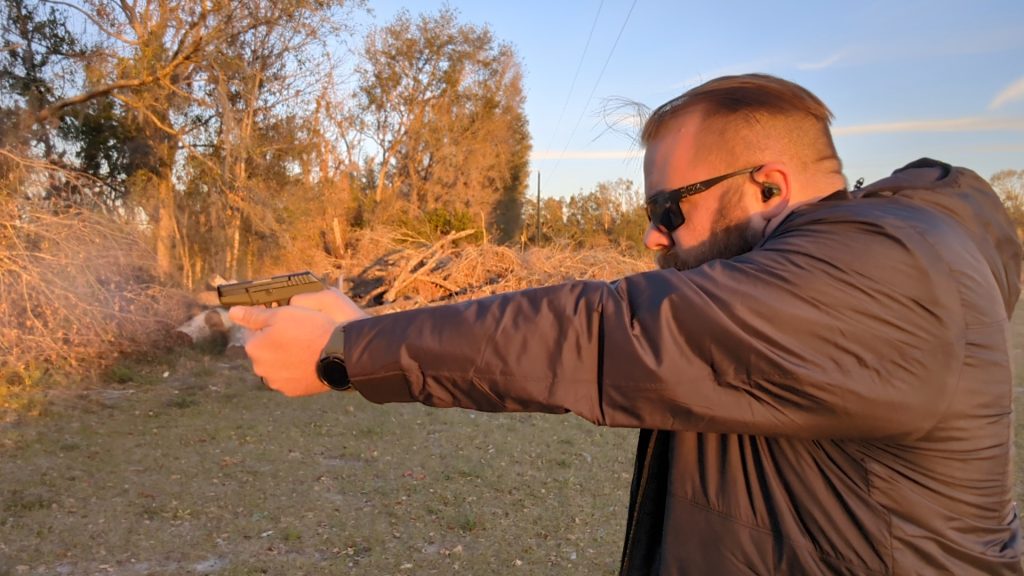
The rise of the millennial shooter has been interesting to watch. The Millennial experience has largely been defined by a cultural crossroads. Millennials typically grew up in an analog era but matured in the digital era. That same crossroads also forged the millennial gun-owning experience. I wanted to reflect on what helped create modern gun culture and millennial gun culture as a whole.
Did Millennials Kill Gun Shop Counter Culture?
If you’re like me, you likely grew up in a house that embraced firearms. My family was hardcore hunters who hit the woods every fall, so I found myself in a gun store quite a bit. Gun store culture and gun magazines were the main medium to learn about a firearm. Inside both is a fair bit of opinion and bias.
Advertisement — Continue Reading Below
To this day, every review has a bit of bias. I love DA/SA guns, so I have a bias towards them. However, now you’re no longer stuck dealing with a few people with select bias. The internet democratized gun reviews. We have gun websites like this one, we have YouTube, we have Rotten Gun Reviews, and even a swath of forums.
Data can be crowdsourced from a variety of sources. The gun shop hasn’t gone the way of Blockbuster, but it’s certainly reduced its cultural influence amongst younger gun owners. Like all things, it’s good and bad. As much silly fudd lore came out of gun stores, the right one can have an excellent staff with excellent, real-world advice.
Video Games Became The Catalog
How many people reading this purchased a firearm after seeing it in a video game? Or maybe choose certain accessories because of their use in video games. First-person shooters like Call of Duty might not get much about guns right, but they can make you desire an HK USP when all common sense begs you to purchase something more practical.
Advertisement — Continue Reading Below
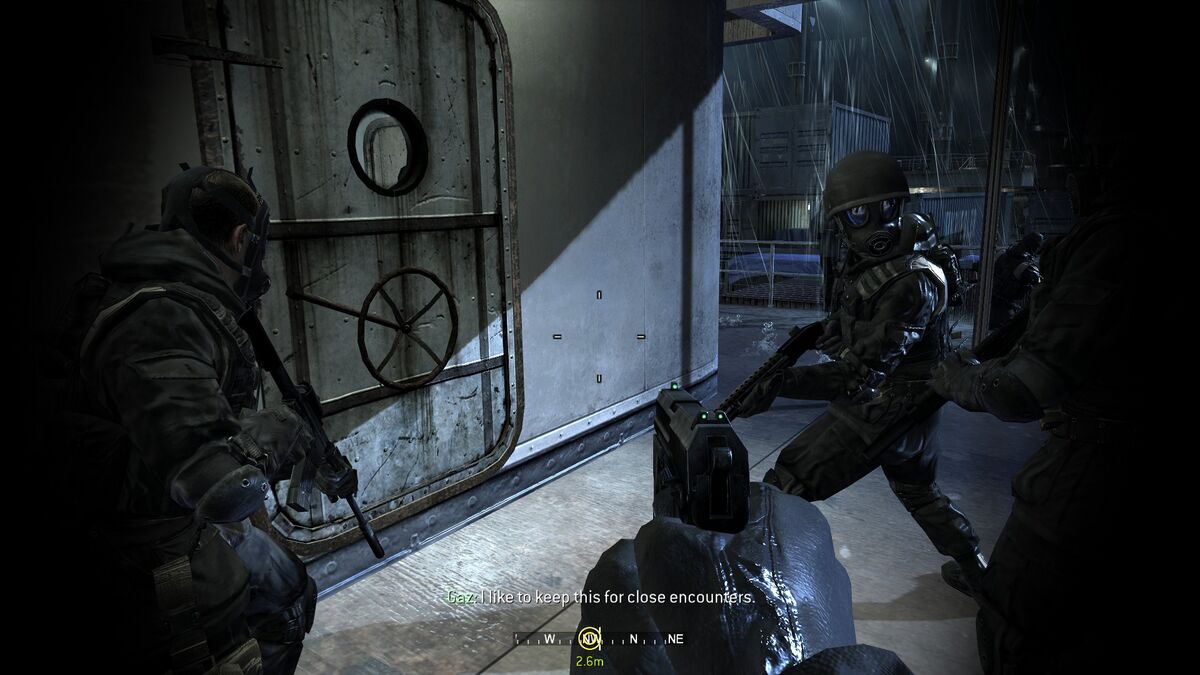
Prior to video games, movies sold S&W Model 29s and Beretta 92s, but they have given way to video games. You see a gun in a movie, often a nameless tool held by the protagonist. In video games, you experience the gun, you know its name, and maybe a few facts about it. Sure, it might not be an accurate representation, but the VZ 61 market is held up by guys going “Klob.”
This hasn’t gone unnoticed by the anti-gun crowd. Much hem has been hawed about depictions of real guns in video games. It doesn’t really matter. Regardless of how much they oppose the use of real guns in games, they aren’t going away anytime soon.
Advertisement — Continue Reading Below
The GWOT
Most of my life existed in the shadow of the Global War on Terrorism. The GWOT started just a few years before the expiration of the Federal Assault Weapons ban. This mix drove a renewed interest in the AR-15. Not only that, but news media, movies, TV shows, and, again, video games were chock-full of modern soldiers and Marines with modern rifles and accessories.
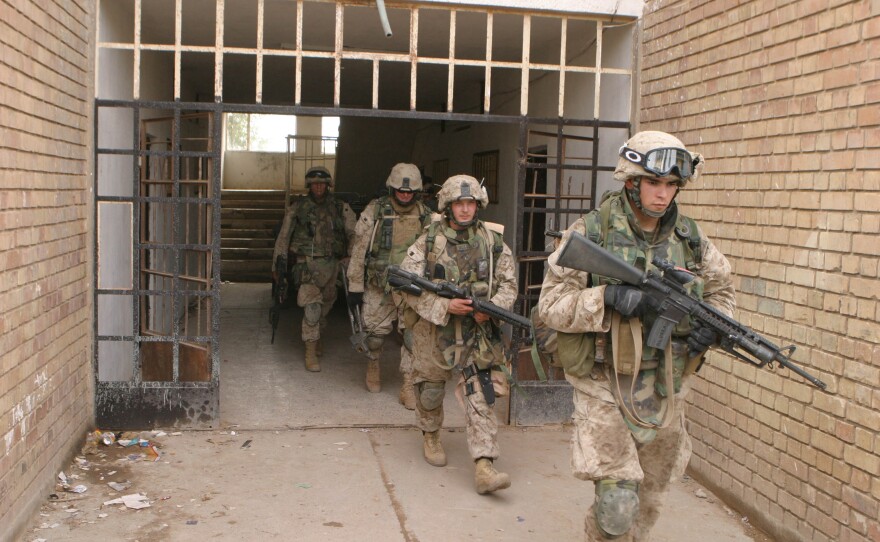
Most importantly, we began to see what worked in modern warfare, and that was pushed to the modern tactical rifle. The GWOT ended up giving us things like Magpul Dynamics with training on demand via DVDs. No longer were guys slow-firing into a Bull’s eye.
Advertisement — Continue Reading Below
They wanted to train to be effective shooters. While it’s true the competition circuit had done this for decades, the younger demographic was seeing it on the evening news, or in a lot of cases, joining up and doing it. Millennials might be a punching bag for generations, but it was Millennials who fought the country’s longest war without the need for a draft.
Surplus for Days
The day I turned 18, I went to the gun store and filled out my first 4473 ever. I purchased a Mosin-Nagant. I know I’m not the only one who embraced gun ownership with an $89 Russian mil-surp. Millennials might never own homes, but boy, did we have it good when it came to surplus rifles.

Advertisement — Continue Reading Below
SKSs, Mausers, CZ-52s, and dirt-cheap, commie ammo had a major influence on millennial firearms enthusiasts. These old guns were fun, often cheap to shoot, and fun to own. They gave millennials an interest in history that you could also likely tie back to a few Call of Duty and Brothers in Arms games.
While surplus is far from cheap these days, it did help create a love of old guns that we continue to see reflected in the rising price of surplus guns. At least for now, my precious cheap Eastern European .32s are available.
It Got Cheaper
Look at Gun Digests from the 1980s and 1990s. Take the prices to the inflation calculator and give them a run. Guns used to be so much more expensive relative to income. What we pay for a fairly nice gun today got you an average S&W Auto back then. There are two big reasons why.
Advertisement — Continue Reading Below
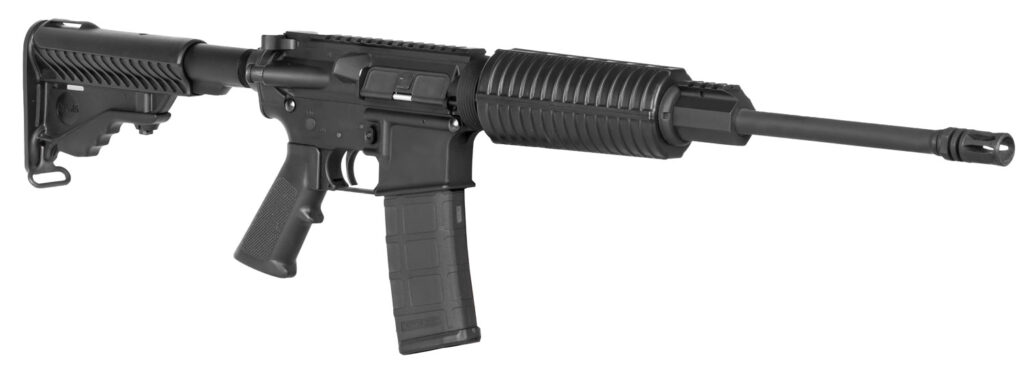
The Glock and the AR. The adoption and acceptance of polymer-frame pistols significantly lowered handgun prices. You can track the decline in price relative to inflation by the introduction of Glocks. Since then, everyone has been making polymer pistols and making them affordable.
The AR proved to be popular, and guess what? Not protected by patent law. Anyone could make one, and everyone did. They became available at all price points. Expensive, cheap, and everywhere in between. Anyone who wanted an AR could afford to enter the market at a pretty good price point.
Advertisement — Continue Reading Below
Millennial Gun Culture
Culture changes, and gun culture has always evolved with the entry of Gen Z. There is a lot more love for retro guns, for weird guns, and, of course, for crazy colors. Millennials might have helped start the idea of gun memes, but Gen Z has really kept it rolling. Millennial gun culture walked a divide between gun stores and the digital world and shaped gun culture as we know it today.