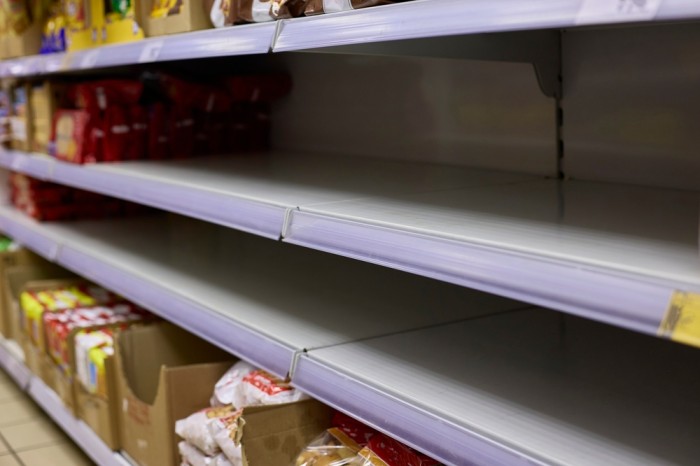
Most people notice shortages when the shelf is already empty.
A prepper should notice them earlier.
Food does not appear at the grocery store by magic. It moves through a long chain of ports, rail yards, truck routes, warehouses, fuel stops, distribution centers, and store back rooms. When that chain runs well, nobody thinks about it. When it starts to fail, the first signs often show up far from the grocery aisle.
A port backs up. A rail line slows down. Diesel prices jump. Truckers wait too long for loads. A bridge closes. A warehouse runs short of workers. A storm damages a key route. A strike threatens one part of the system. At first, these things sound like business news. A few weeks later, they can become higher prices, delayed deliveries, missing brands, and thin shelves.
That is why preppers should learn to follow the freight.
The Pantry Begins Long Before The Store
The modern grocery store is the final stop in a very long process.
Grain may move by rail. Meat may move by refrigerated truck. Canned goods may pass through warehouses and distribution centers. Coffee, spices, rice, tuna, cooking oil, medical supplies, packaging, and many household goods may depend on ports and container shipping.
Even local stores rely on distant systems.
That means a disruption in one place can show up somewhere else later. A rail slowdown may affect grain, fertilizer, animal feed, canned goods, or bulk ingredients. A port delay may affect imported foods, packaging materials, replacement parts, appliances, and medicines. A trucking problem may affect almost everything because trucks handle the final miles.
A prepper who understands this does not wait for the news to say “shortage.” He watches the weak points and thinks ahead.
Trucking Trouble Hits The Store Fast
Trucks are the veins of the retail food system.
When trucking slows, stores feel it quickly. A shortage of drivers, high diesel costs, bad weather, road closures, mechanical parts delays, insurance spikes, or regulations can all make freight more expensive or less reliable.
This matters because many stores do not keep deep backroom inventory. They depend on frequent deliveries. If trucks are late, the shelves get thin. If trucks cost more, prices rise. If routes are disrupted, some items arrive while others vanish.
A trucking problem should make you check your short-cycle goods first.
These include fresh food, dairy, eggs, bread, meat, produce, bottled water, paper goods, pet food, baby supplies, and common over-the-counter medicines. These are the items people notice quickly and often rush to buy.
For the prepper, the move is simple. Do not panic. Top off what your household already uses. Fill the gaps before the crowd sees the pattern.
Rail Problems Point To Bulk Shortages
Rail does the heavy lifting for many bulk goods.
Grain, fertilizer, feed, coal, chemicals, lumber, canned goods, packaging materials, and many industrial supplies can depend on rail at some stage. When rail networks slow down, the effect may take longer to reach families, but it can be serious.
A rail problem may not mean your local store is empty tomorrow. It may mean higher prices in a month. It may mean farmers pay more for feed. It may mean flour, cereal, pasta, animal products, paper goods, or building materials become more expensive later.
This is where preppers need patience and judgment.
If rail trouble is widespread or tied to agriculture, look at your grain-based staples. Flour, oats, cornmeal, rice, pasta, cereal, livestock feed, chicken feed, and pet food deserve attention. If fertilizer or farm inputs are affected, think farther ahead. That can show up in food prices next season.
Rail news often speaks quietly before prices speak loudly.
Port Delays Affect More Than Imported Food
Ports matter because America depends on global movement for far more than luxury goods.
Imported food, canned fish, coffee, tea, spices, rice, cooking oils, medications, medical supplies, batteries, tools, appliances, packaging, and replacement parts can all be affected by port delays.
The danger with port problems is that the impact can be uneven. One store may still have plenty of one item while another runs out. Some brands disappear first. Prices jump on products with imported ingredients or packaging. Smaller businesses may struggle before major chains do because larger companies often have more buying power.
When ports slow down, a prepper should think about specialty and imported items first.
Coffee. Tea. Spices. Canned fish. Rice varieties. Shelf-stable sauces. Batteries. Water filters. Medical supplies. Spare parts. Canning lids. Garden tools. Replacement blades. Anything that would be hard to replace locally deserves a second look.
You do not need to hoard. You do need to ask what your household would miss if deliveries became irregular for two or three months.
Packaging Problems Can Create Food Shortages
Sometimes the food exists, but the package does not.
That sounds strange until you think it through. Food needs cans, jars, lids, labels, plastic wrap, cardboard boxes, pallets, tape, bottles, and fuel to move. If packaging materials are delayed, the food may sit in a plant or warehouse instead of reaching the shelf.
This is especially important for canned goods, bottled drinks, cooking oils, baby formula, pet food, and shelf-stable meals.
A prepper watching logistics news should pay attention to packaging and manufacturing problems, not just crop reports. A shortage of cans, lids, glass, plastic resin, cardboard, or pallets can affect what appears at the store.
If packaging trouble shows up in the news, strengthen your shelf-stable basics. Canned vegetables, canned meat, soups, beans, tomato products, fruit, broth, shelf-stable milk, cooking oil, and pet food are all worth reviewing.
Fuel Prices Are A Warning Signal
Fuel touches everything.
Diesel moves trucks, farm equipment, trains, ships, generators, and many parts of the food system. When fuel rises sharply, the cost of almost everything follows. Sometimes the shelves remain full, but the prices climb week after week.
A fuel spike should make a prepper think in three directions.
First, top off pantry staples before price increases move through the system.
Second, reduce unnecessary trips and combine errands.
Third, check stored fuel, cooking fuel, generator fuel, propane, charcoal, firewood, and any other energy source your household relies on.
Food and fuel are tied together. A smart pantry plan includes both.
Learn To Translate News Into Pantry Decisions
Most logistics news is not written for ordinary families. It is written for investors, companies, or industry insiders. A prepper needs to translate it.
If you hear about trucking delays, think about store deliveries and fast-moving household goods.
If you hear about rail problems, think about bulk staples, animal feed, fertilizer, grain, and delayed price increases.
If you hear about port congestion, think about imported foods, canned fish, coffee, spices, batteries, medical supplies, filters, and replacement parts.
If you hear about packaging shortages, think about canned goods, bottled products, shelf-stable foods, and pet food.
If you hear about diesel prices rising, think about everything becoming more expensive.
This translation habit is more useful than panic reading.
Stock By Use, Not By Fear
When freight trouble appears, the wrong move is rushing out to buy random items.
The right move is checking your own household system:
- What do you actually eat every week?
- What medicines do you depend on?
- What pet food is required?
- What baby items, hygiene items, or elder-care supplies are non-negotiable?
- What cooking fuels do you use?
- What shelf-stable foods turn your staples into real meals?
Build from your own life. A pantry should match the people it serves.
A family that eats rice, beans, canned meat, oatmeal, pasta, tomato sauce, peanut butter, canned fruit, soups, and coffee should store those things first. A household with dogs should treat pet food as a serious supply. A family with chickens should watch feed prices closely. A diabetic, heart patient, or elderly person in the home changes the stocking plan completely.
The news tells you where pressure may be coming. Your household tells you what to do about it.
Keep A Freight Watch List
A simple watch list can help you stay ahead without becoming obsessed.
Track the items your family cannot easily replace. Write them down. Include food, medicine, hygiene, fuel, pet supplies, filters, batteries, canning supplies, and repair parts.
Then review the list when logistics news starts looking rough:
- If trucking is unstable, check fast-moving household items.
- If rail is unstable, check bulk staples and feed.
- If ports are unstable, check imported and specialized items.
- If fuel is unstable, check everything that depends on transportation and your own energy supplies.
This keeps your response calm and specific.
The Prepared Pantry Moves Before The Crowd
The crowd reacts when the shelf looks empty.
The prepared household acts when the supply chain starts showing strain.
That does not mean fear. It means attention. It means topping off early, rotating steadily, buying what you use, and understanding that freight problems often become pantry problems later.
Follow the trucks. Watch the rail lines. Pay attention to ports, fuel, packaging, and warehouses. Translate that information into practical decisions for your own home.
A family that sees the delay early can buy calmly, store wisely, and avoid standing in the aisle with everyone else when the signs finally become obvious.
The pantry begins long before the grocery shelf.
The prepper who understands that has an advantage.