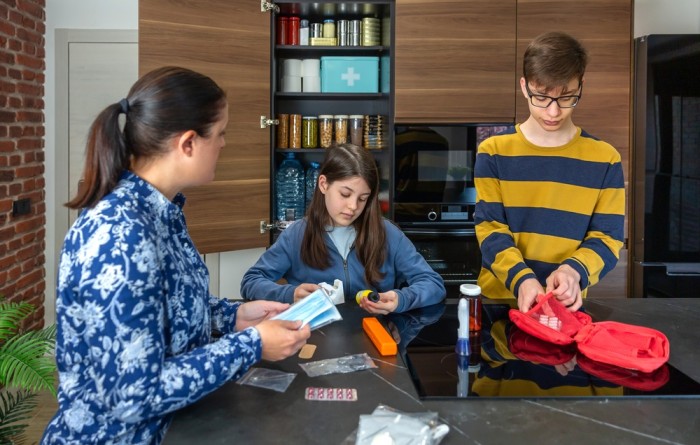
Preparedness has changed the way I look at my home.
I notice how much food is on the shelves. I pay attention to the weather, the condition of the roof, the amount of fuel available, and the weak points in our plans. I watch prices, shortages, crime, and the general direction of the country.
That awareness has helped me take better care of my family. It has also taught me that a prepper can spend so much time looking for trouble that he stops seeing the good things already in front of him.
I have caught myself doing that.
I have sat at a full table while talking about food shortages. I have stood inside a safe, warm home while complaining about everything happening outside it. I have finished one preparedness project and immediately started worrying about the next one.
That kind of thinking can slowly change the atmosphere of a family.
I want my household to be prepared, but I also want it to be grateful. I want my family to understand risk without becoming bitter. I want my children to remember that we worked, prayed, ate, laughed, and enjoyed our time together.
Gratitude helps make that possible.
I Try To Notice The Ordinary Blessings
Most blessings in my life do not arrive with fireworks.
They are the same good things that showed up yesterday. The water runs. There is food in the kitchen. The roof is holding. The people I love are nearby. I have work to do and enough strength to begin it.
These things are easy to overlook because they feel normal.
I try to stop for a moment in the morning and notice them. Sometimes that happens during prayer. Sometimes it happens while I am drinking coffee before the rest of the house is awake.
I may thank God for three simple things. A warm room. A healthy child. A quiet night.
That small habit helps me begin the day from a place of provision instead of fear.
I Treat The Pantry As A Record Of Provision
When I look at a stocked pantry, I see more than emergency food.
I see hours of work. I see money that was earned and used carefully. I see garden produce that was planted, watered, harvested, and preserved. I see food that can feed my family during a storm, an illness, a job loss, or an ordinary busy week.
I want my family to see that too.
When we rotate cans, organize shelves, or cook from storage, I try to talk about why those supplies matter. I remind everyone that having food put back is a blessing and a responsibility.
The pantry also gives us opportunities to share. An extra bag of rice, a jar of soup, or a few cans can help another family without damaging our own stability.
Stored food feels different when it is connected to gratitude, work, and service.
I Limit How Much Trouble Enters The House
There is always more bad news available.
I could spend every free hour reading about wars, shortages, economic problems, crime, storms, and government decisions. At some point, useful awareness turns into a steady stream of frustration.
I have learned to set limits.
I check the information I need. I pay attention to anything that could affect my family. If action is needed, I take it. Then I put the phone down and return to the life in front of me.
My family should not have to live inside every headline I read.
Children can feel tension even when they do not understand the subject. A parent may think he is simply discussing current events, while the child hears that the world is dangerous and nothing is secure.
The home needs honest information. It also needs peace.
We Give Thanks Before We Eat
Prayer before meals is one of the simplest habits in our home.
Some prayers are longer. Most are plain. We thank God for the food, for the person who prepared it, and for the chance to sit together.
I have found that this matters even more when the meal is simple.
Beans, soup, leftovers, or food from the pantry may not look impressive. It still feeds us. It still represents provision. It still deserves gratitude.
When children hear thanks offered over ordinary food, they learn that appreciation does not depend on having something expensive or exciting.
They learn to receive a meal instead of judging it.
I Let The Family Share The Work
People appreciate things more when they understand the labor behind them.
A child who helps grow tomatoes sees more than a tomato on a plate. A teenager who stacks wood understands what it takes to keep a room warm. Someone who helps organize the pantry begins to see how much planning goes into feeding a family.
I try to give everyone useful work.
That may mean carrying groceries, filling water containers, helping cook, cleaning tools, feeding animals, pulling weeds, or checking expiration dates.
I also try to thank them when the work is done.
A family culture of gratitude includes recognizing each other. People need to know that their effort matters.
I Try To Celebrate Progress
Preparedness can feel like an endless list.
After the pantry is organized, the generator needs maintenance. After the firewood is stacked, the roof needs attention. After the water plan improves, the first-aid supplies need replacing.
There is always another task.
I have learned to stop and recognize what we finished.
Sometimes we cook a good meal after a long workday. Sometimes we sit outside after completing a project. Sometimes I simply tell the family that we are in a stronger position because of what everyone did.
Those moments matter.
They remind us that preparedness is building something, not merely responding to fear.
I Want My Children To See Generosity
I do not want my children to think the purpose of preparedness is to build walls around everything we own.
I want them to understand that a capable family can help.
That may mean carrying food to a sick neighbor, sharing vegetables, helping an older person prepare for winter, or giving supplies through the church.
We still protect our household’s core reserves. We give with thought and discipline. Even a small gift teaches something important.
It shows children that blessings come with responsibility.
We Talk About What Went Well
At the end of the day, I sometimes ask a simple question:
“What was good about today?”
The answers are usually small.
The rain helped the garden. Someone finished a difficult job. Dinner tasted good. A friend called. The power stayed on through the storm. The family laughed about something at the table.
These small answers help us remember the shape of the whole day.
Problems may have been present. They did not own every moment.
I Pay Attention To My Own Words
This may be the hardest part.
My family learns gratitude from what I say regularly. If I complain through every repair, shopping trip, bill, and news report, they will remember the complaints more than the preparation.
I can speak honestly about hard things without letting frustration control every conversation.
Prices may be rising, and I can still be thankful that we have food. The world may be unstable, and I can still enjoy an evening with my family. A project may be difficult, and I can still be grateful for the ability to complete it.
My words help decide whether preparedness feels like strength or constant dread.
This Is The Home I Want To Build
I want my family to be ready for hard times.
I want them to know how to cook from storage, conserve water, repair what breaks, help a neighbor, and keep calm when normal systems fail.
I also want them to remember a thankful home.
I want them to remember prayer before meals, laughter during work, vegetables shared with neighbors, and evenings when we stopped thinking about tomorrow long enough to enjoy today.
Preparedness protects a family’s future.
Gratitude protects the heart of the family living there now.