


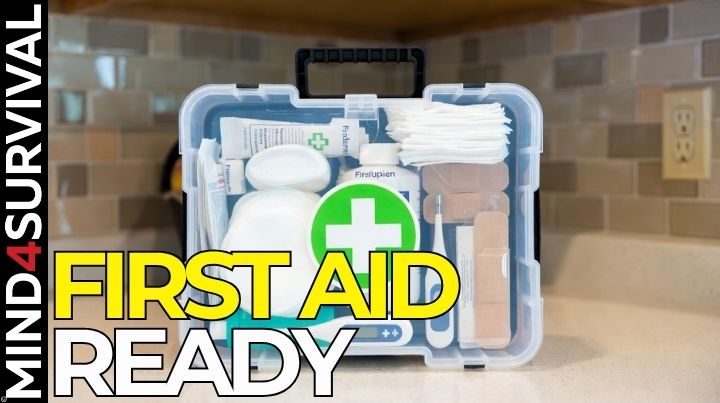
Medical emergencies can happen when you least expect them. One morning, I was making breakfast for the family and was slicing a bagel. Next thing you know, the bagel knife slipped and sliced through a huge part of my left thumb. There was blood everywhere, so the first thing I did was to find gauze and apply pressure to control the bleeding. The bleeding lessened, but would not stop. I ended up driving myself to the hospital Emergency Department, where the ER doc stitched up the wound.
I was glad I had that first aid kit to at least help with the bleeding. A well-supplied first aid kit allows you to cover the most common injuries and illnesses until they’re stabilized or you can seek professional care.
TL;DR: A home first aid kit helps manage common injuries like cuts, burns, and sprains, providing essential care until professional help is available.
Quick Look at What You’ll Learn
How a Home First Aid Kit Can Help You
If there is a disaster, storm, or even just a power outage, and you get some kind of minor injury, you’d likely prefer to shelter in place rather than have to drive to an emergency room. A home first aid kit can help you buy time until you can safely seek help.
It allows you to control bleeding, reduce pain, prevent infection, and monitor symptoms when immediate medical care isn’t available or necessary. During the hurricanes I’ve experienced, medical offices and pharmacies remained closed for several days, and hospital emergency rooms were short-staffed and overcrowded.
We’re not trying to avoid seeing medical professionals. Having a first aid kit allows you to bridge the gap between a sickness or injury and the next step, whether that’s self-care, calling a telehealth professional, or seeking emergency services.
Wound Care Supplies You’ll Actually Use
As I have experienced, cuts, scrapes, and minor lacerations are some of the most common household injuries. A practical first aid kit focuses on cleaning, protecting, and monitoring wounds.
Here are a few items to stock for wound care:
- Sterile gauze pads and rolls to allow you to apply pressure to stop bleeding and cover larger wounds that adhesive bandages can’t handle.
- Medical tape to keep dressings in place without relying on improvised solutions.
- Adhesive bandages in various sizes to handle everyday cuts without waste.
- Antiseptic wipes or solution to help clean wounds when soap and water aren’t immediately available.
- Antibiotic ointment to reduce the risk of infection
- Scissors for cutting dressing
- Tweezers to remove splinters and debris.
- A compression bandage helps maintain pressure on a wound without constant manual effort.
- Gloves for protection to avoid contact with blood for both the injured person and the caregiver
Burns and Insect Bites
I have lost count of how many times I’ve burned myself while cooking. No matter how careful you are, burns are common in kitchens, bathrooms, and small apartment spaces. If you get burned, run cool water on the affected area as a first step, then protect the skin. A basic kit should include burn gel or burn dressings to cool the skin and protect the area.
If you are stung by an insect, apply hydrocortisone cream to reduce itching and inflammation, and take an antihistamine to help manage mild allergic reactions. If you are severely allergic, don’t hesitate to call 911.
Cold packs help reduce swelling from insect bites, sprains, bumps, and other minor injuries. Instant cold packs work well in small spaces and don’t require access to a freezer during power outages.
Medications for Common Household Illnesses
Other common ailments are fever, stomach upset, diarrhea, and the occasional bump or sprain. Include:
- Acetaminophen and ibuprofen for minor pain and fever.
- Antacids
- Anti-diarrheal medications
- Anti-constipation medications
- Instant cold pack for swelling, minor sprains, or bumps
- Ace bandage
- Manual thermometer to check for fever
- Headlamp for hands-free wound care
Keep an emergency supply of prescription medications, so you don’t run out.
Rotate your medications regularly and store them in a cool, dry place as directed, especially if you live in a hot, humid climate.
It’s also a good idea to have a written list of medications, allergies, and medical conditions for each household member. This information becomes invaluable if someone else needs to assist during an emergency.
First Aid Manual
Knowing what to do is critical. I keep a first aid app on my phone just in case. However, in case of a power outage and your phone runs out of charge, have a basic first-aid manual or printed instructions to guide you, especially in high-stress situations.
First Aid Considerations for Apartment Living
Apartments have limited storage, so your kit should be compact and organized. Keep your first aid kit in an easily accessible location. All family members, including older kids, should know where it is kept.
If you have a pet, you should also keep basic pet first-aid supplies, such as pet-safe antiseptic, bandaging materials, and contact information for a nearby emergency veterinarian.
Teach Household Members How to Use the Kit
Everyone in the household should know the contents of the kit and how to use them. Children can be taught where to find the kit and when to involve an adult. Adults should know how to treat burns, apply pressure and clean wounds, and recognize when to alert emergency services.
Maintaining and Updating Your Medical Kit
Check your first aid kit every six months to replace used items and discard expired medications.
As your family grows and ages, the kit should change too. First aid needs will change as people age, new medications are prescribed, people take up new sports, or kids move away.
Being Prepared, Not Paranoid
Acquiring a first aid kit is one of the most practical steps anyone can take. You don’t need specialized training, just a willingness to prepare for the most likely problems rather than the most dramatic ones. First aid preparedness isn’t about turning your home into a clinic. Just think about covering the most common injuries and illnesses with supplies you can actually use.