


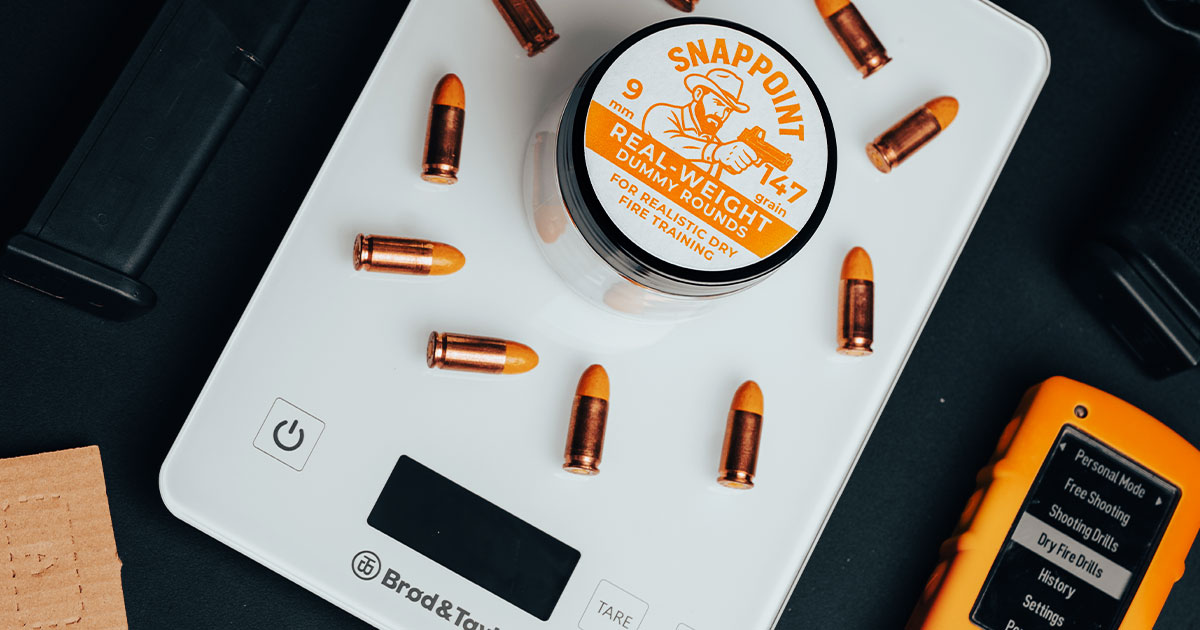
There is a fundamental lie in most dry fire training. It’s not malicious, but it is pervasive. You set up your targets, you clear your weapon, and you begin your reps. You practice your draw, your trigger press, and your reloads. But something is missing.
Your gun is too light.
The absence of ammunition doesn’t just mean a lack of recoil; it means a drastic change in the physical properties of your weapon. A fully loaded Glock 19 carries nearly half a pound of ammunition. When you remove that weight, you aren’t just making the gun lighter; you are changing its balance, its center of gravity, and the mechanical force required to manipulate it.
To bridge the gap between dry fire and live fire, you need more than just a safe weapon. You need to replicate the physics of a loaded gun. This is why real-weight dummy rounds are not just a luxury—they are a necessity for serious training.
The Physics of Training: Why Weight is the Missing Variable
When we talk about “training like we fight,” we often focus on tactics and gear placement, but we frequently ignore physics. The difference in center of gravity between a loaded and unloaded firearm is significant. A standard 9mm cartridge weighs between 115 and 147 grains. Multiply that by 15 or 17 rounds, and you are holding a significantly different tool than the empty shell you use for dry fire.
When you train exclusively with an empty gun, your body builds a neurological pathway based on that specific weight distribution. You learn to drive the gun to the target using a specific amount of force. When you transition to live fire, that muscle memory is suddenly mismatched. The gun is heavier, the weight is biased more toward the grip, and your “perfect” sight alignment requires micro-adjustments that slow you down.
Kinesthetic alignment—your body’s ability to sense the position of your limbs and weapon without looking—is calibrated by weight. If you calibrate your system on a featherweight gun, you will be fighting your own muscle memory when you pick up a loaded one. Real-weight dummy rounds restore the natural balance of the weapon, ensuring that your dry reps build valid, transferable skill rather than false confidence.
The Plastic Problem: Why Snap Caps Aren’t Enough
For years, plastic snap caps were the standard. They are cheap, available everywhere, and better than nothing—but barely. The primary issue is mass. A typical plastic snap cap weighs a fraction of a real bullet (often around 10 grains compared to a 115-grain live round). When you load a magazine with plastic dummies, the total weight difference is negligible compared to an empty mag.
Durability is also a major failure point.
- Rim Tearing: The extractors on modern firearms are made of hardened steel designed to grip brass or steel cases. When they slam onto a plastic rim repeatedly, the plastic gives way. Eventually, the rim tears off, leaving the plastic body stuck in the chamber.
- Feed Ramp Friction: Plastic interacts with metal feed ramps differently than brass or nickel. It creates different friction coefficients, meaning the “feel” of the slide stripping a round from the magazine is inconsistent with reality.
- Gravity Failure: Because they are so light, plastic rounds often fail to fall free during malfunction clearance drills. You rack the slide to clear a double feed, and the plastic round just sits there or tumbles weakly, unlike a heavy brass round that ejects with authority.
Beyond the Magazine: Standard vs. Weighted vs. Dummy Rounds
The market offers several solutions for dry fire weight management, but they aren’t created equal. It’s important to understand the hierarchy of training tools to make an informed choice.
Standard Dry Fire Magazines
Most shooters simply use their empty standard magazines. As discussed, this leaves the gun significantly unbalanced. Some companies offer specific “dry fire magazines” that deactivate the slide stop so you can rack the slide without it locking back. While convenient for trigger reset drills, they do nothing to address the weight disparity.
Weighted Dry Fire Magazines
Weighted magazines are a step up. These are solid units or magazines with inserts designed to mimic the weight of a full load. They are excellent for static training—practicing your draw, presentation, and hold. However, they fail in dynamic manipulation. You cannot cycle rounds through the gun. You cannot practice clearing a stovepipe or a double feed. You cannot practice the physical act of stripping a round from the magazine into the chamber. They are heavy, but they are inert.
Real-Weight Dummy Rounds
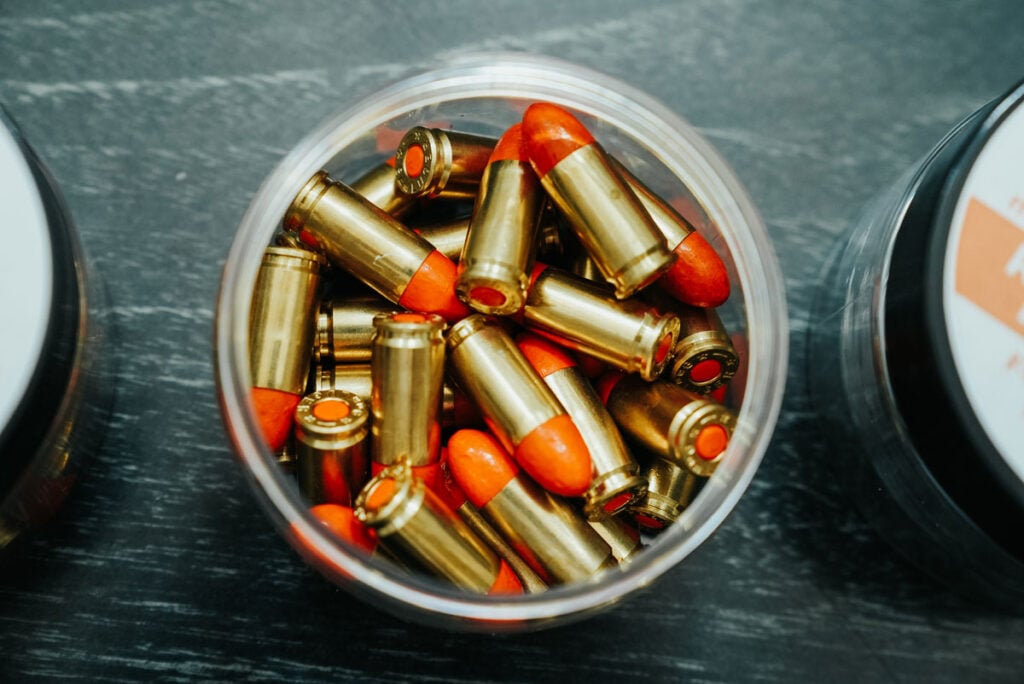
This is the gold standard. By using dummy rounds that match the grain weight of your carry ammo, you get the best of both worlds. You get the static weight for your draw and hold, but you also get the dynamic mechanical resistance. The gun fights you just as hard as a live gun would during reloads and clearing procedures.
Building Honest Muscle Memory: Reloads and Malfunctions
Muscle memory is specific. If you change the variables, you change the outcome. Nowhere is this more apparent than in reloads and malfunction clearing.
The Reload “Thunk”
Insert an empty magazine into a pistol. It slides in with minimal resistance and clicks. Now, try to insert a fully loaded magazine on a closed slide. It requires force. You have to compress the top round against the bottom of the slide. This tactile “thunk” and the force required to seat it can only be replicated with real-weight rounds. If you train only with empty mags, you may find yourself failing to seat the magazine fully during a high-stress live fire event because you didn’t apply the requisite force.
Malfunction Clearance
Clearing a Type 1 (Failure to Fire), Type 2 (Stovepipe), or Type 3 (Double Feed) malfunction is a physical act.
- The Rack: Racking the slide over an empty magazine is easy. Racking the slide to strip a dummy round out of a full magazine requires overcoming the friction of the top round pushing against the feed lips.
- The Weight: When you perform a “tap, rack” drill, the weight of the gun affects how fast you can get back on target. If you practice with a light gun, your recovery will be sloppy with a heavy one.
Using real-weight dummies ensures that your hands learn the actual force required to keep the gun running, not the theoretical force.
Safety First: The Non-Negotiable Rules
Using real-weight dummy rounds adds realism, but it also demands strict safety protocols. Because they feel like real ammo, the risk of confusion is higher than with featherweight plastic caps.
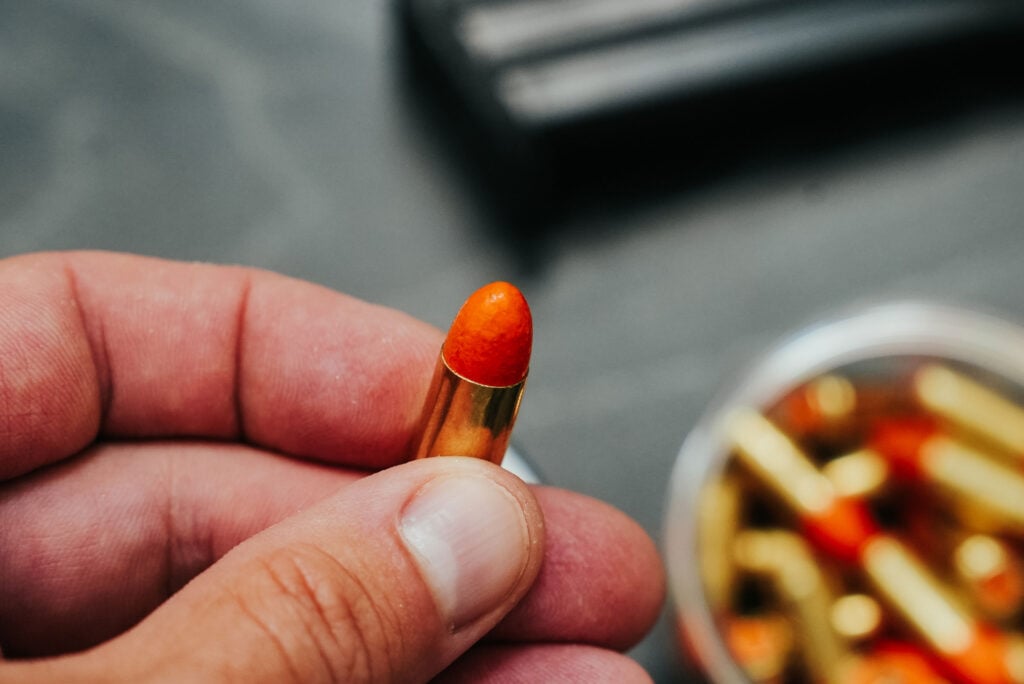
- Visual Distinction: Ensure your dummy rounds are visually distinct. Bright orange or blue tips and visibly bright primers are essential. Never use dummy rounds that look exactly like your carry ammo.
- The “Dummy” Check: Before any dry fire session, remove all live ammunition from the room. Visually and physically inspect every single dummy round you are about to load.
- Designated Magazines: If possible, mark specific magazines for dry fire use only (e.g., with blue tape baseplates) to prevent mixing live and dummy rounds in the same mag.
Conclusion: Upgrade Your Software by Upgrading Your Hardware
Your brain is the software that runs the gun. But that software depends on accurate data from the hardware. If you feed your brain bad data—lightweight guns, friction-free plastic rounds, and easy-to-seat magazines—it will write bad code.
By switching to real-weight dummy rounds, you are choosing to train with honesty. You are accepting the fatigue of holding a heavy gun. You are accepting the difficulty of seating a full mag. You are accepting the reality of the weapon system you carry. In a defensive encounter, that realism is the only thing that counts.