


NEWYou can now listen to Fox News articles!
Nuclear fusion originates in our sun and other stars. Immense pressure and high temperatures in the core create a reaction, ultimately preventing it from collapsing under the force of gravity.
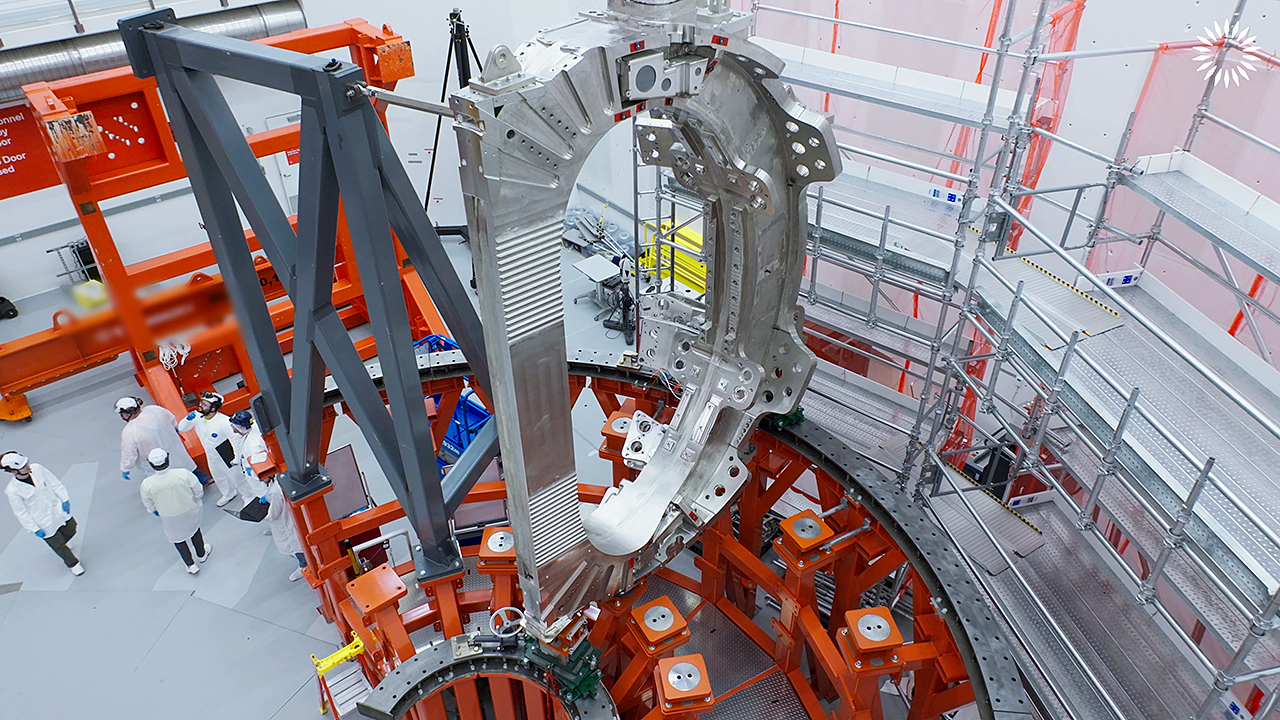
“The fusion here on Earth has a lot of corollaries to how we understand how the stars work in things like astrophysics. They both rely on studying plasma, the fourth state of matter. They both have the same types of reactions, and we use some of what we learn in how the stars work to inform how to build better fusion machines on Earth,” Commonwealth Fusion Systems CEO Bob Mumgaard said.
The company is working to replicate the sun’s fusion energy here on earth, a quest that has been long in the making.
“When it first started out, it was as much a science experiment as fission was. The question at that time was, is this possible?” said Adam Stein, director of nuclear energy innovation at the Breakthrough Institute. “There was more scientific curiosity than optimism, this would ever become a source of power for the world.”
US POWER CRUNCH LOOMS AS OKLO CEO SAYS GRID CAN’T KEEP UP WITHOUT NEW INVESTMENT
The quest for nuclear power began in the 1950s when scientists started designing machines to conduct their experiments. More than 70 years later, scientists have not been able to make fusion power viable for electricity.
“The biggest misconception is thinking that fusion is right around the corner. Or that people think, on the other hand, that it’s a total failure. And it’s neither. It’s real progress combined with real uncertainty,” Stein said.
As the demand for energy continues to rise, fusion scientists believe fusion power plants could help ease some of the strain.
“We need every electron on this system. And if and when fusion becomes commercially viable, it should also be in that equation because it’s that important,” Exelon CEO Calvin Butler said. “If you increase the supply and the demand is there, costs will go down. And I think fusion being in that equation is a good.”
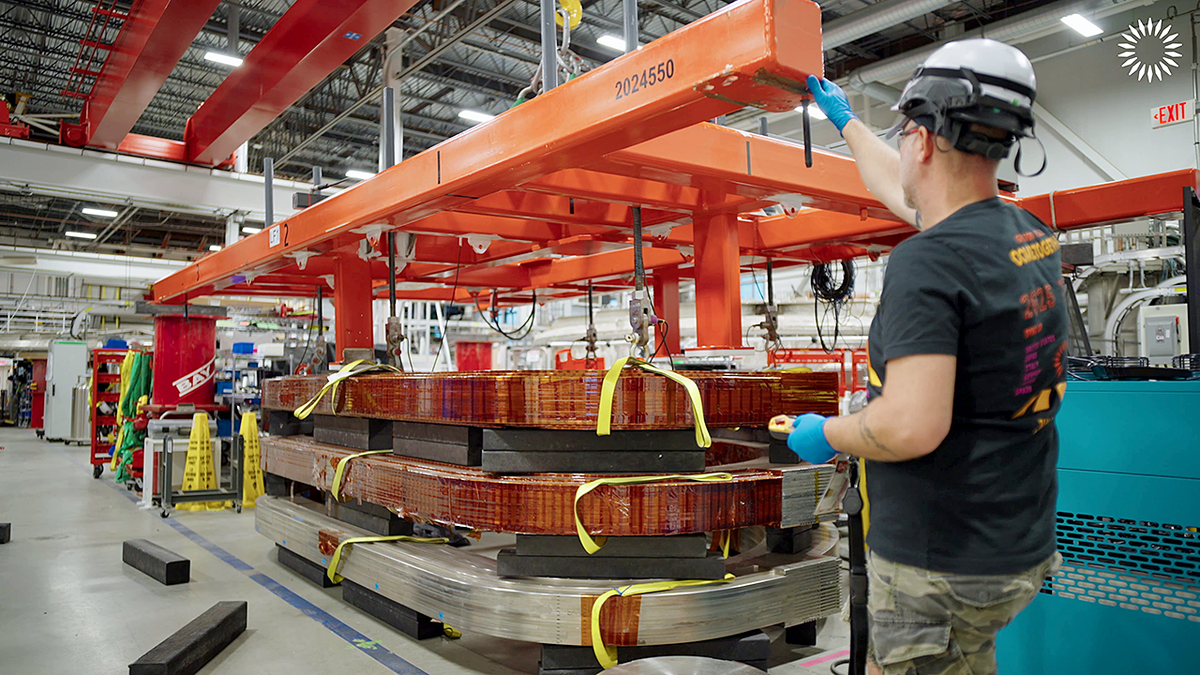
To create nuclear fusion on earth, a lot of power is needed to generate plasmas which reach temperatures hotter than the sun. Scientists have spent decades developing the right environment for fusion reactions but building materials that can endure the intense heat, while keeping the plasma stable are among the many challenges.
IN 2026, ENERGY WAR’S NEW FRONT IS AI, AND US MUST WIN THAT BATTLE, API CHIEF SAYS
“Right now, the machines consume more energy than they produce. So that’s not a power plant. You don’t want to build that as a power plant. That’s a power user. But the output of that is learning, right? And we’re getting better and better at it,” Mumgaard said.
Critics say fusion power has been 20-30 years away for decades now but Commonwealth Fusion Systems is hoping to change that timeline, saying they could have a viable reactor by the early 2030s.
“We’ve learned a lot about what it takes to make these machines,” Mumgaard said. “The scientific advance has happened. And we’re now at the stage where we have confidence in that science, that you know, fusion is turning more to an engineering problem.”
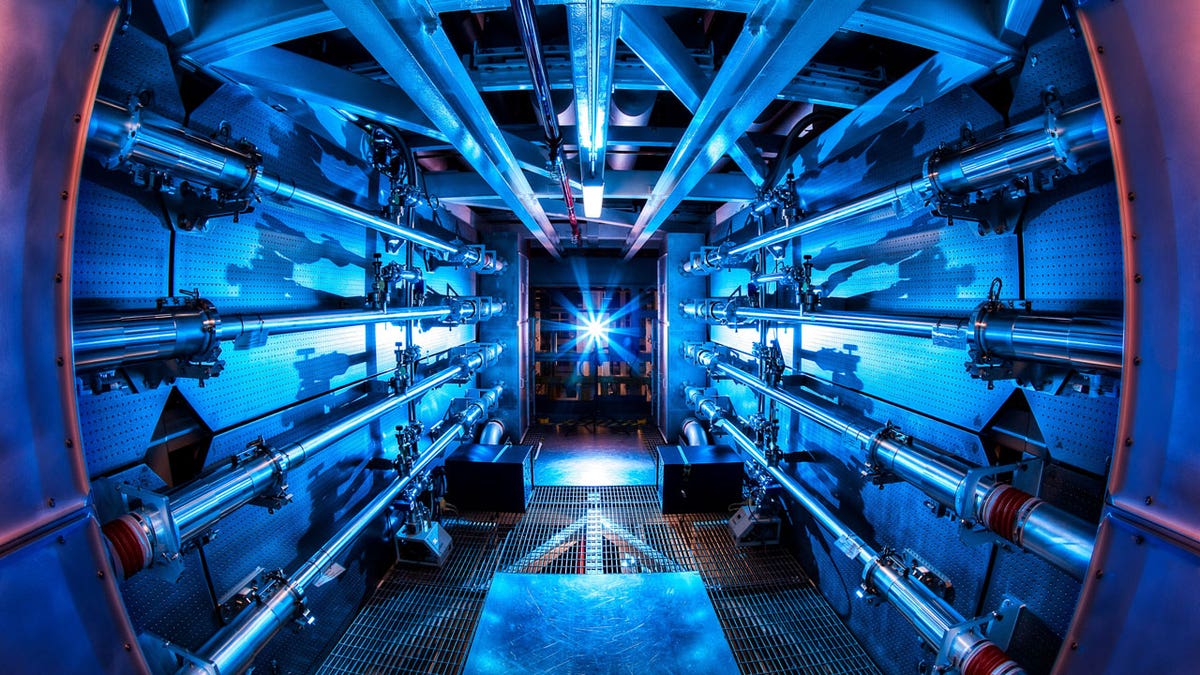
In 2022, the National Ignition Facility at the Lawrence Livermore National Laboratory demonstrated fusion could generate more energy than it used, but it was just a small amount, about enough power to keep a small LED Light Bulb on for 20 hours. Scientists also estimate it takes about 100 times more energy to run the facility than the amount used in the experiment.
“NIF (National Ignition Facility) put in enough energy to power roughly a thousand homes and got enough out to power an LED. Because the overall system has inefficiency,” Stein said.
Fusion and other energy sources have seen advancements in the past decade thanks to artificial intelligence.
ARTIFICIAL INTELLIGENCE HELPS FUEL NEW ENERGY SOURCES
“I think A.I. in and of itself is a good thing. Economic developments, growth, all good things. What we have to do is get the policy right,” Butler said. “We’ve also learned a lot from our technology partners in how to use technology to deliver energy more efficiently. Are we using grid enhancing technology to increase the capacity of the transmission system? What are we doing to serve our customers more intuitively? All of that is coming with the advent of A.I. and the technology, and we need to utilize that as energy companies.”
At Commonwealth Fusion Systems, NVIDIA software monitors and maps fusion plants in real time. Google Deepmind’s technology helps better control plasma.
“Whether that’s to make the computer simulations run faster or to make the control systems for the plasma able to react faster, gain insights in how to build the machines. And so you see that in our company but in fusion labs around the world that A.I. is having an accelerating factor in this whole field,” Mumgaard said.
The fusion industry has seen increased interest and funding. Companies raised $2.6 billion in private and public funding in the 12 months leading to July 2025. But that is just a fraction of the amount invested in energy already on the grid. In 2025, spending on nuclear was estimated at $70 billion. Solar was expected to reach $450 billion.
“Fusion isn’t a near-term energy solution. It’s not science fiction either, but it’s a long-horizon, high-risk, high-reward option with unavoidable uncertainty,” Stein said. “The near-term solution is fission and other energy sources that we already know how to build. But that does not mean that we shouldn’t pursue fusion for mid to long-term energy needs.”
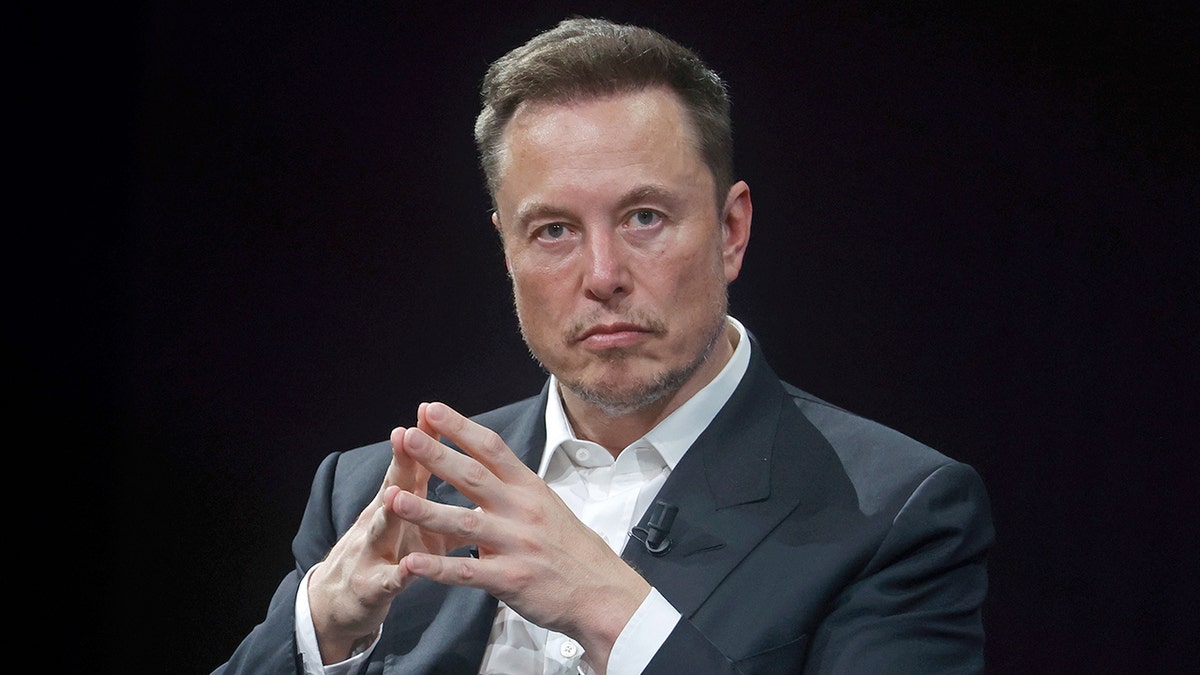
Some fusion critics have speculated that the energy source could never be viable for the electric grid. Elon Musk has called the effort a “pet science project” and called for further investments in solar energy. But some energy companies, lawmakers in both parties and the Trump administration are expressing optimism.
CLICK HERE TO DOWNLOAD THE FOX NEWS APP
“Definitely in the next several years, we’re gonna see at scale much more energy come out than goes in in fusion devices. It’s a little bit of time after that to make it commercial and machines and all that, but it’s coming,” Energy Secretary Chris Wright said at Semafor’s World Economy Summit in April 2025. “It’s not a maybe someday always 20 years away thing. Watch the news. Fusion energy in the next four years can be very exciting.”