


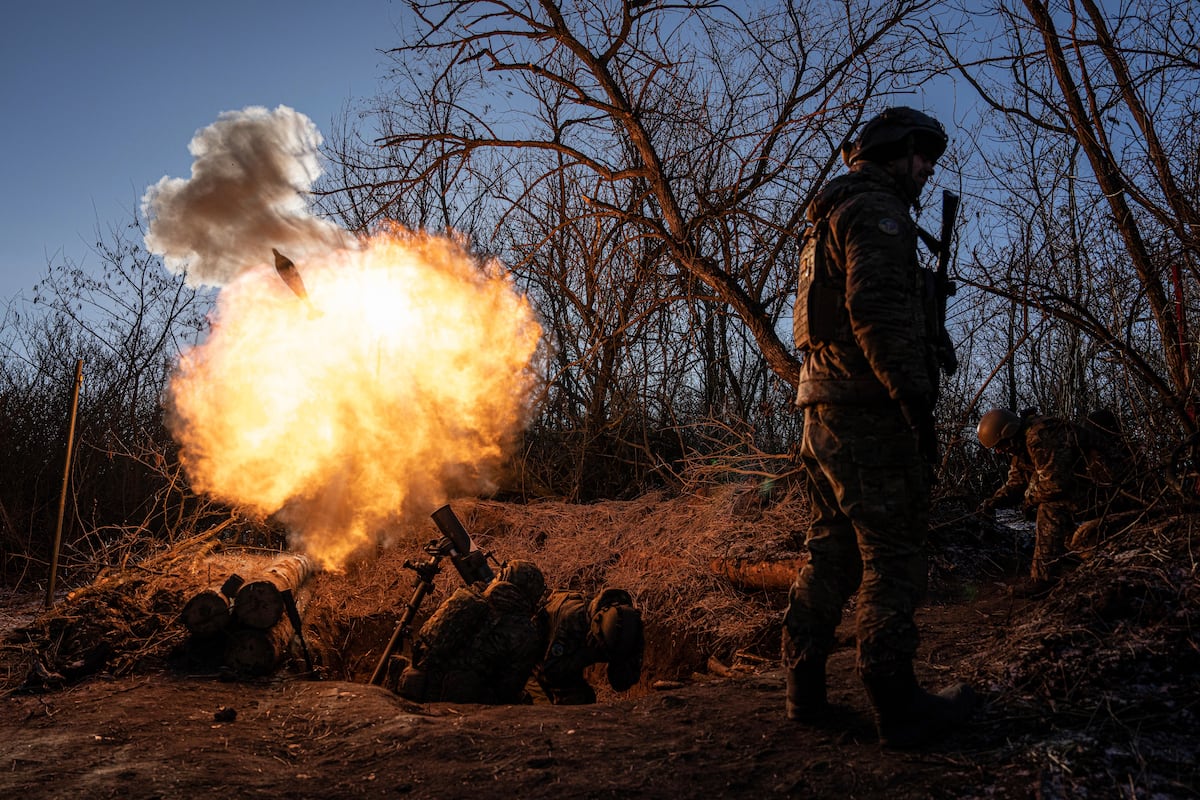
ZHYTOMYR, Ukraine — “These peace talks feel like cognitive dissonance to me,” “Primo” wrote in a message to Military Times while deployed in southern Ukraine’s Zaporizhzhia region, home to Europe’s largest nuclear power plant, which has been under Russian occupation since the early weeks of Russia’s full-scale invasion of Ukraine.
The 42-year-old air reconnaissance squad commander added that the sense among his troops are that the talks are “pointless” and “irrelevant.” Military Times agreed to refer to all active duty soldiers by their nom de guerre for operational security.
Talks that kicked off with a November ultimatum by President Donald Trump have continued this week at the World Economic Forum in Davos, where Putin’s envoy Kirill Dmitriev arrived Monday for direct meetings with U.S. negotiators — the first time a Kremlin representative has attended the forum since the full-scale invasion began, according to The Kyiv Independent.
The attendance also points toward how far the negotiations have moved from back-channel messaging into public, high-level contact.
Ukrainian President Volodymyr Zelenskyy has so far stayed in Kyiv, saying he would only travel if the U.S. committed to “concrete results,” Ukrainska Pravda reported.
But for those still enduring the fight at the core of those talks, the peace process has become “a soap opera,” Primo said, which he claimed is based on the “ego of one particular man.”
The talks may be framed as high strategy, but on the front, they’re experienced as something more personal: a question of whether their sacrifice buys true security — or gets traded away for just another pause in the fighting.
That disconnect is sharpened by how undefined the “guarantees” still are. Ukraine is not covered by NATO’s Article 5 collective-defense clause, and proposals circulating around the talks have described various forms of outside security backing — without a clear trigger, timeline or enforcement mechanism.
Understanding what security promises will be cemented in the US-brokered peace plan has been a challenge since it was first leaked to the press in November, and quickly linked to a Russian-authored proposal circulated earlier last year.
One 36-year-old platoon commander known as “Prorab” — slang for “Foreman” in English — stated in messages to Military times from the zero line in the Zaporizhzhia sector that the peace talks have felt like an emotional rollercoaster.
“When I hear ‘ceasefire’ or ‘a deal,’ my first thought is: maybe this hell is finally ending,” he said.
He was mobilized in 2022 and “fought in many battles” before taking up his current role in Ukraine’s First Separate Assault Regiment.
“My biggest fear is that after a deal,” he said. “Those bastards will regroup, dig in and start the war all over again.”
‘War of exhaustion’
A refusal to back a settlement that favors Russia isn’t limited to Ukraine’s trenches.
A January survey by the Kyiv International Institute of Sociology found 69% of Ukrainians would accept a deal that freezes the front lines with security guarantees — as long as occupied territories aren’t formally recognized as Russian.
But 74% reject any framework that requires troop withdrawals or military limits without those guarantees. A clear majority, 62%, say they will keep fighting as long as it takes.
The survey suggests Ukrainians can imagine a freeze — but only if it comes with real security and no legal surrender of occupied land. That’s the same core fear soldiers describe in plainer language: that a “deal” without teeth is just an intermission.
Not every soldier described the talks as abstract or farcical — for some, the dominant feeling was betrayal, especially toward Washington.
At a training site in Zhytomyr, a Georgian-Ukrainian special operations soldier who goes by “Sparrow” told Military Times he feels “confused and betrayed by the recent peace talks. And especially by the U.S.”
He has fought alongside many American veterans in Ukraine since Russia launched its full-scale invasion almost four years ago, he said. Now, he could not believe how quickly Washington went from Kyiv’s most “steadfast ally” to a “wildcard” no one could count on.
“They were our brothers, and now they seem like they’re abandoning us,” he said.
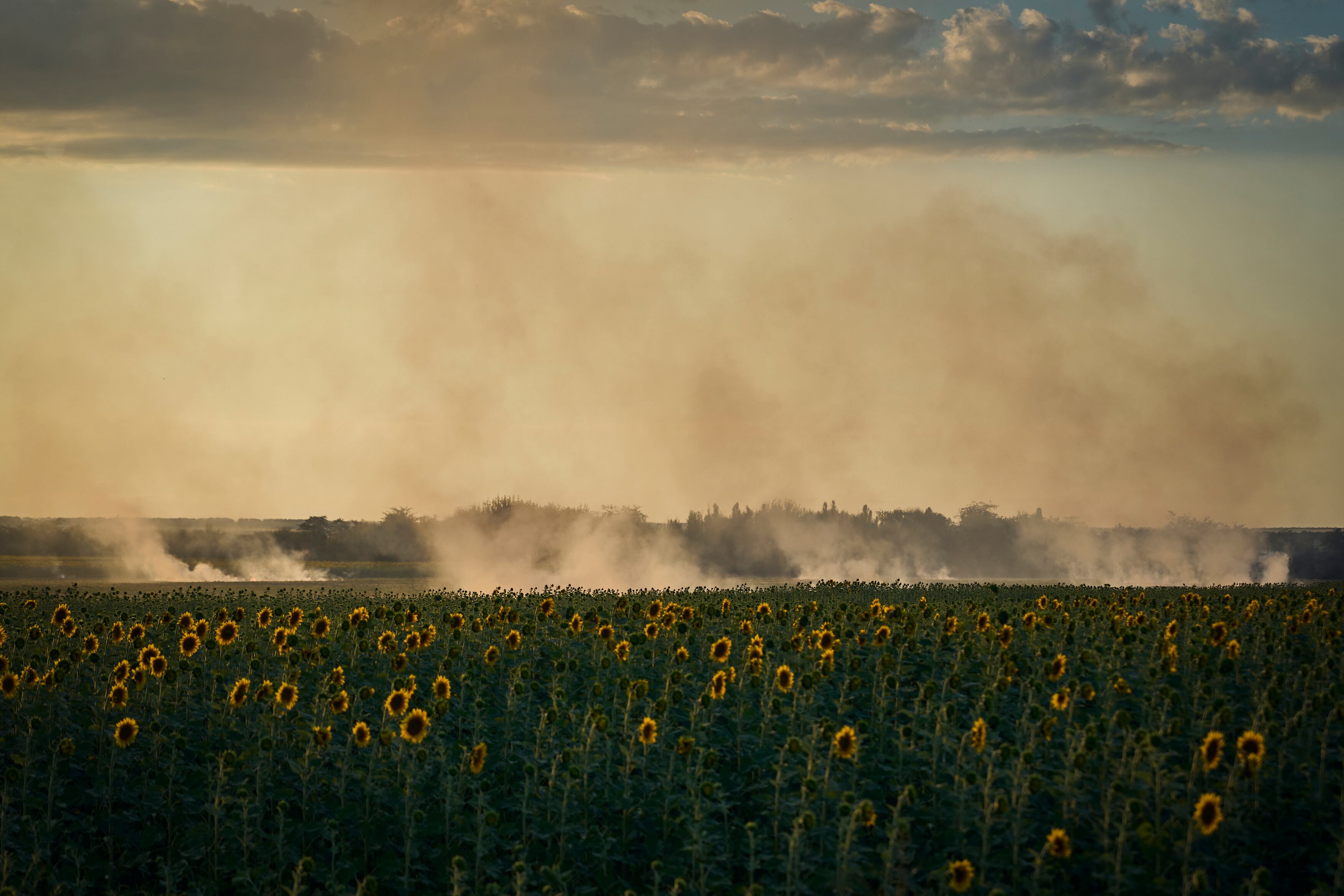
As negotiators work behind the scenes, Russia continues its aerial campaign against Ukraine’s critical energy infrastructure, sending wave after wave of attacks that have left millions in the dark during the coldest months of the year.
“After all, this is the war of exhaustion,” Primo said. “And we are exhausted.”
Ukraine’s new defense minister, Mykhailo Fedorov, told parliament that around 200,000 soldiers are currently AWOL, and that roughly 2 million Ukrainians are wanted for alleged mobilization violations — a scale-of-force problem that sits underneath every negotiating headline, the Associated Press reported.
October alone saw a record 21,602 desertion cases, per The Kyiv Independent.
Despite the challenges, Primo said he believes in Ukraine’s staying power.
“I trust the stubbornness of my fellow citizens,” he said.
It’s their allies they worry most about. For Foreman, everything about the peace deal hinges on enforcement possibilities from partners. We need “real guarantees,” he said.
“From a country that can actually keep its word.”
Red lines
Any settlement that touches borders would also collide with political reality inside Ukraine.
Primo said he is convinced Ukraine’s government still has limits.
“I believe that there are certain red lines that any Ukrainian politician is not yet ready to cross.”
Ukrainska Pravda reported last month that Zelenskyy said territorial questions and approval of any comprehensive peace plan must ultimately be decided by Ukrainians through a nationwide vote and parliamentary ratification — making progress towards the war’s real end easier said than done.
The human cost behind those red lines is already immense. More than 400,000 Ukrainian soldiers have been killed or wounded since the full-scale invasion began, U.S. officials estimated over a year ago, per Reuters.
Soldiers who spoke to Military Times said politicians in Kyiv and Washington need to understand what that number means before they sign anything.
“Brothers who gave their lives will never be forgotten or erased,” Sparrow said.
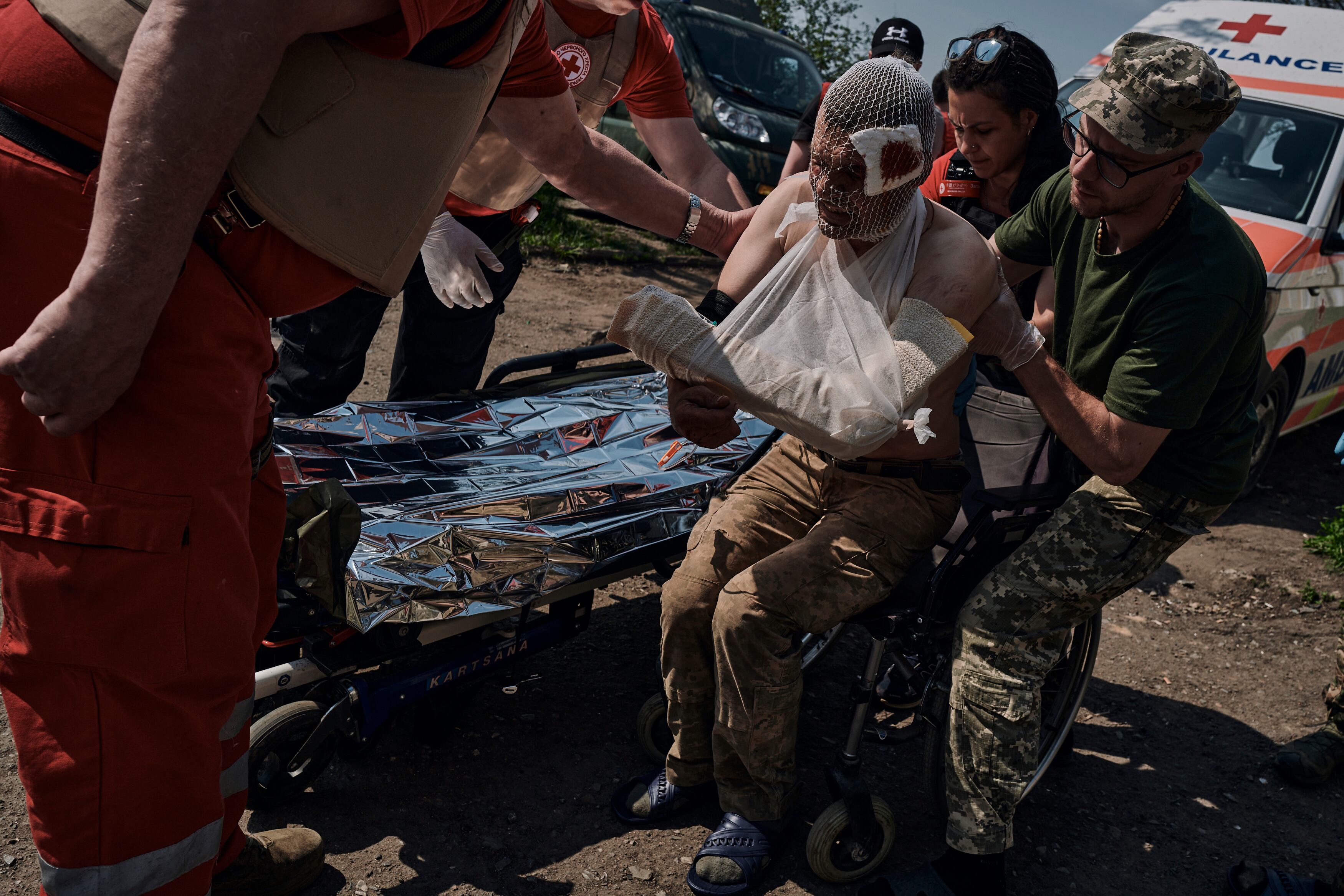
In his view, a deal that rewards conquest would not just redraw borders — it would tell Moscow that brutality pays, and that after enough suffering, the world will still move on.
“We won’t accept a peace deal that hands Russia a prize for its attempted genocide,” he added.
The demand for “justice” has been taken up by the International Criminal Court, which issued an arrest warrant for Putin in 2023 over the unlawful deportation and transfer of Ukrainian children.
Nonetheless, Trump met Putin at Alaska’s Joint Base Elmendorf-Richardson in August — offering a red carpet for the wanted leader that sharpened fears in Kyiv that Russia can continue to bomb Ukraine and still be treated as a great power on an equal diplomatic playing field.
Sparrow framed the danger as precedent: reward Russia for invasion, and it won’t stop with Ukraine.
“There must be justice, and Russia must be stopped from doing this again.”
Several soldiers said they did not want to sign an agreement only to give Russia time to replenish its forces and mount another attack.
“My biggest fear is that after a deal, they’ll regroup, dig in, and start the war all over again,” Foreman said.
None of the soldiers interviewed expected the war to end cleanly. They described negotiations as inevitable — but only meaningful if they produce enforceable guarantees and consequences strong enough to keep Russia from returning to finish the job.
Sparrow said he would oppose any settlement that risks locking in another cycle of war for the next generation.
“I won’t vote for any peace deal if it means my children may have to fight the same enemy that me and my father both spent our lives battling against.”
Many officials feel similarly. A senior European diplomat told Military Times in December that the American-led peace deal “scares the bejesus out of us” and appeared to benefit Russia more than Western allies.
Primo spoke with certainty: “At the moment, accepting Russian demands will mean more war during my lifetime,” he said. “It would mean despair for those who fought, distrust in the government, apathy in the EU.”
The public is skeptical, too. KIIS found that only 10% of Ukrainians expect the war to end by the beginning of 2026, with just another 16% expecting it to end in the first half of the year.
For now, negotiators have yet to sign off on a deal with enough enforcement or consequences to convince soldiers that any agreement is more than just a pause.
“Wars don’t end in victories,” Foreman wrote from the frozen front. “They end in agreements.”