


NEWYou can now listen to Fox News articles!
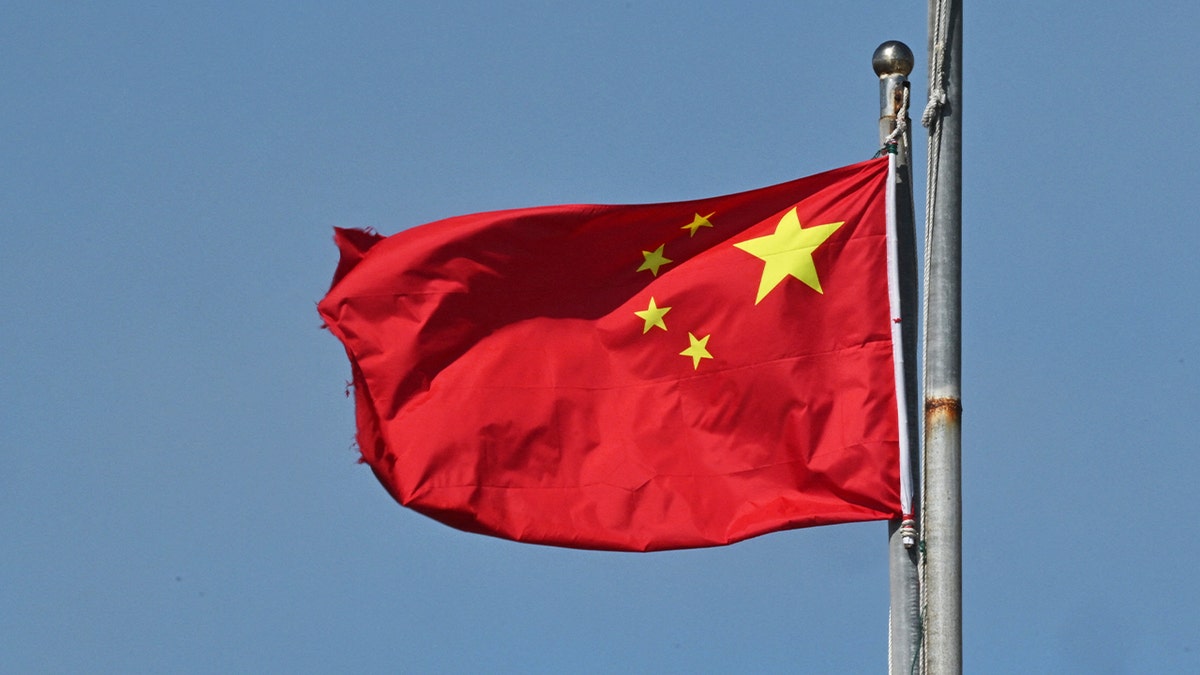
Chinese nationals are using birthright citizenship to secure U.S. citizenship for their children at what one expert calls an “industrial scale,” raising concerns about national security and the long-term impact on American institutions.
“It’s industrial scale,” author Peter Schweizer said Wednesday on “Jesse Watters Primetime.”
“The Chinese Communist Party, about 12, 13 years ago, started explaining to the Chinese elite in the People’s Daily, in official publications, ‘Hey, guess what? Your kids can get U.S. citizenship if you do this,’ and a massive industry was born.”
Schweizer, author of “Invisible Coup,” said more than 1,000 companies in China are openly marketing services that help wealthy clients travel to the United States, give birth on American soil and secure U.S. citizenship for their children — often for fees as high as $80,000.
TRUMP, BONDI WATCH HISTORIC SCOTUS ARGUMENTS AS JUSTICES DUEL OVER BIRTHRIGHT CITIZENSHIP
“It is a massive effort. It is an organized effort,” he said.
“These are members of the Chinese elite, and the numbers are mind-boggling.”
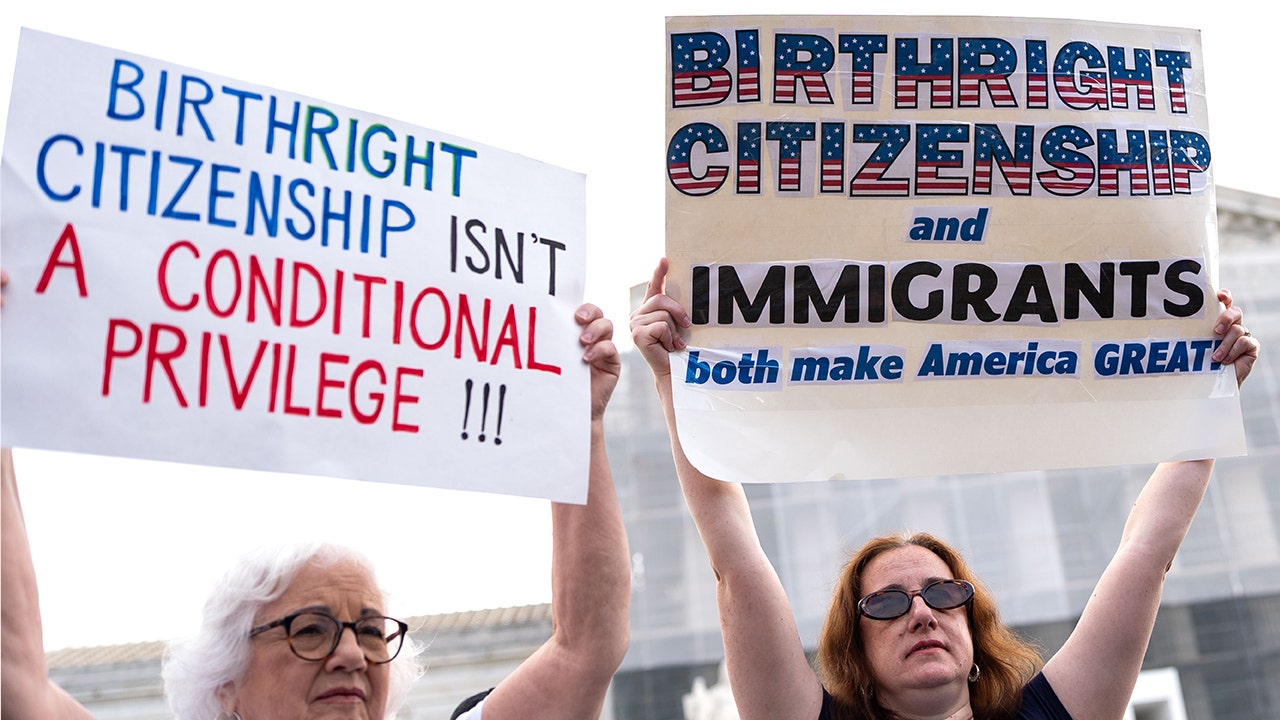
Schweizer’s comments come as the Supreme Court hears oral arguments in a landmark legal challenge to an executive order seeking to limit birthright citizenship, a case President Donald Trump attended in person in a historic appearance at the court.
ALITO INVOKES SCALIA ANALOGY IN BIRTHRIGHT CITIZENSHIP FIGHT OVER ILLEGAL IMMIGRATION
Schweizer said the scope of the trend could have far-reaching implications, particularly as those individuals come of age.
“The belief is that there’s between a million and a million and a half Chinese nationals that are ‘U.S. citizens’ being raised in China right now. That means they’re going to be able to vote when they turn 18 years old, and they’re going to have a whole bunch of other rights,” he warned.
CLICK HERE TO DOWNLOAD THE FOX NEWS APP
“And when they turn 21, Jesse, they can sponsor their parents and other family members to get permanent resident status in the United States,” he added.
The Supreme Court’s highly anticipated ruling could determine whether practices like those described by Schweizer continue unchecked or face limits under federal policy.