


The fitness world can feel all over the place. Trends come and go faster than seasons. One minute it’s CrossFit, then Hyrox, Pilates, bodybuilding splits, or the latest program promising big results. At the same time, there are more tools than ever. Apps track your nutrition, count calories, dial in macros, and monitor everything from sleep to hydration. Online coaches build custom plans and promise serious gains, while shelves are packed with supplements claiming to boost performance.
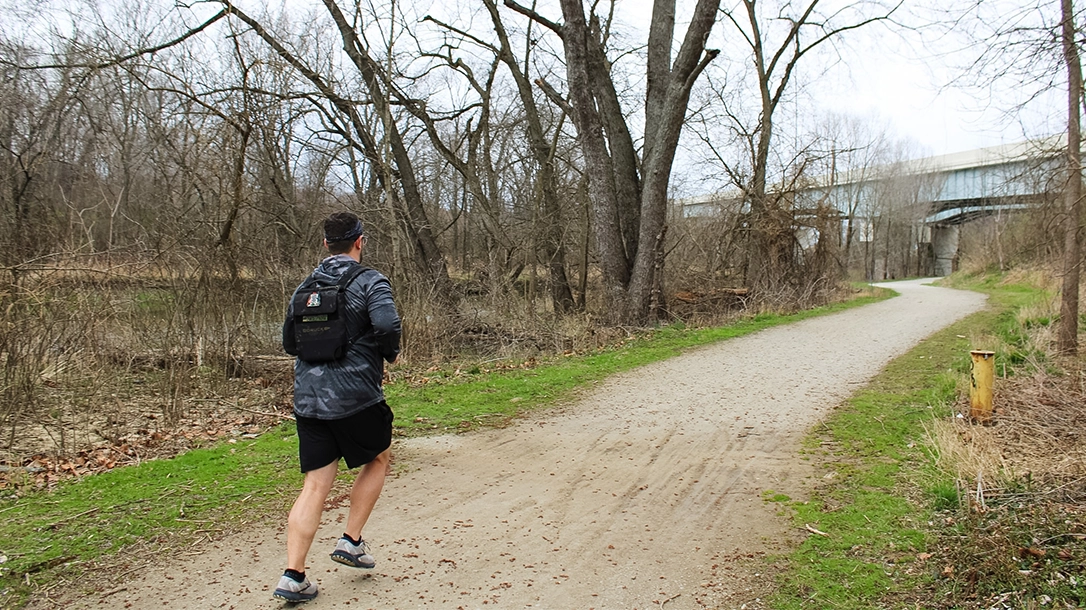
It’s easy to lose sight of what actually matters. Real-world fitness isn’t built in an app or from chasing trends. It’s built outside, under load, covering ground, and putting your body to work in ways that actually translate to the field.
But all of that comes at a cost. Gym memberships, coaching programs, nutrition apps, supplements, all that stuff adds up quickly. For hunters and outdoorsmen, fitness absolutely matters. But it doesn’t have to become an expensive hobby. Hunting and shooting already fill that role well enough. The good news is that improving your fitness doesn’t require complicated programs or expensive equipment. Sometimes the best training is also the simplest. One of my favorites is rucking.
MY JOURNEY
Over the years, I’ve been a member of a fancy power-lifting gym, the YMCA, and Planet Fitness. They all serve their purpose. These days, I train mostly at home. My basement setup is simple: dumbbells, kettlebells, a bench, resistance bands, a treadmill, and a few other odds and ends. Nothing fancy. But it gives me flexibility.
Advertisement — Continue Reading Below
Now, I don’t have to pay for a membership (which, yes, if you go the home gym route, you need to buy the equipment), and I can work out around my schedule. I don’t have to worry about gym hours or a crowded weight room (Planet Fitness after January 1st…). It doesn’t matter. Plus, I don’t have to spend time driving, which means more time training or with family.
Right now, my routine follows a six-day training schedule, followed by an active recovery day (walking and stretching). Within those six training days, I incorporate two days of rucking. And honestly, it’s become one of my favorite parts of my overall fitness routine.
WHY RUCKING?
First off, what is rucking? Rucking is walking or hiking with a weighted backpack to condition the legs, core, and cardiovascular system. It is a low-impact exercise that improves cardiovascular fitness, strength, and endurance. The concept largely comes from military training, where soldiers routinely march long distances while carrying heavy gear.
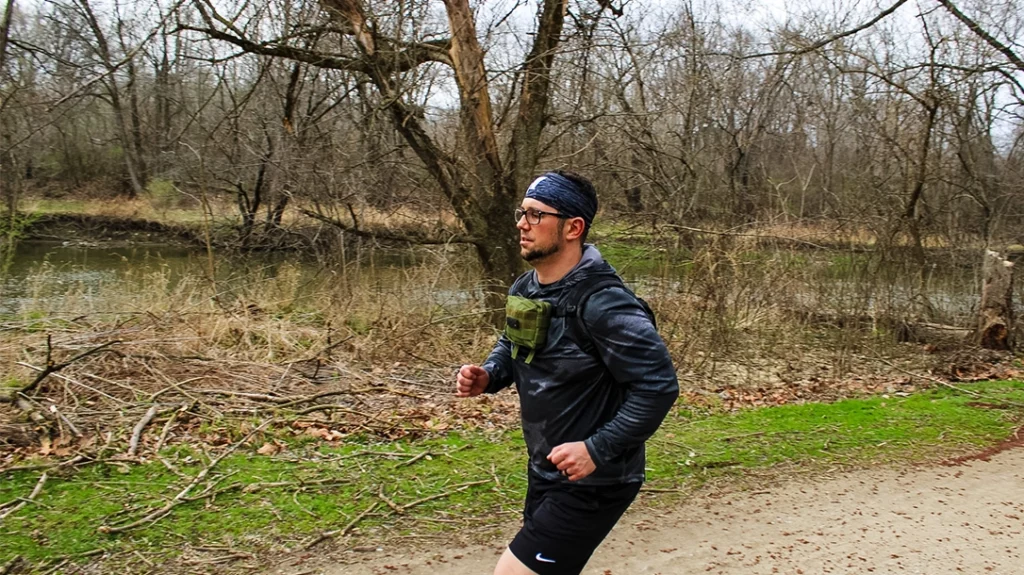
According to various medical journals and university research, Rucking burns two to three times as many calories as walking, puts far less stress on the joints than running, and naturally positions the body in the Zone 2 aerobic range. Zone 2 falls at 60-70% of your maximum heart rate, where your body primarily burns fat for fuel while still working aerobically.
Advertisement — Continue Reading Below
Another article added that, “A simple walk burns around 125 calories in half an hour. Add a rucksack, and that same walk can burn roughly 325 calories. Nothing else changes, same route, same pace, yet the metabolic demand more than doubles. This is the kind of difference normally seen when comparing walking to running, not walking to walking-with-weight.”
So, really, rucking can be beneficial for everyone.
HOW TO START
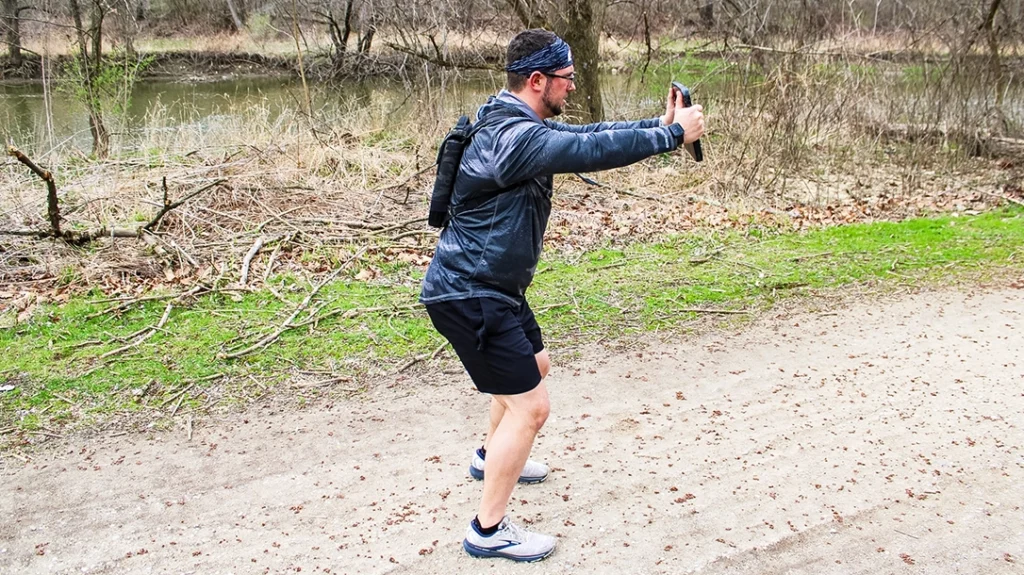
This can be simple and affordable. All you need is a backpack and some weight. The weight could be as simple as plates, a small sandbag, or really anything (like filled water bottles). I see this as something you start small and then scale up. Begin slowly at a brisk walk (around 17:00/mi pace) and progress from there. Add more weight, then increase your speed. Start with 10 lbs. each week, add more until you reach your goal. Then focus on your pace. Mix things up by varying the weight and pace. Increase weight and decrease speed, or vice versa. Add intervals—short sprints followed by walking. For me, this breaks up the monotony and adds variety. Another thing to do is add exercise, such as squats, lunges, push-ups, etc. That way, it’s not as boring.
Here are four things I like to think about:
Advertisement — Continue Reading Below
- Start with a manageable weight and scale: don’t begin at 50 lbs and run at a 12:00/mile pace. Work your way up. This isn’t a competition.
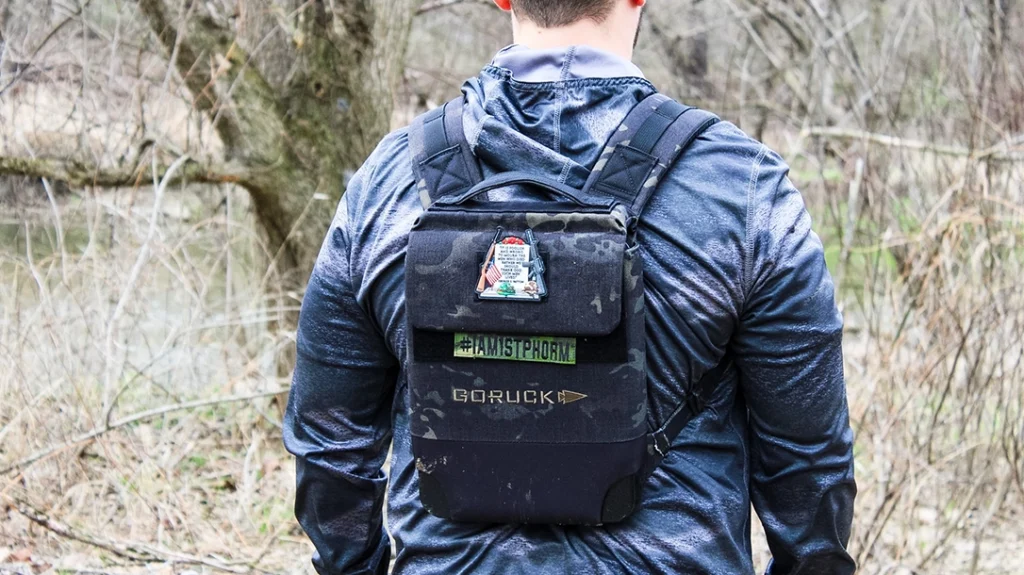
- Choose the right gear: Start with a backpack, but I recommend quickly switching to a dedicated ruck pack. I like the options from GoRuck. Or, if you are a hunter, work with your hunting pack. That way, you get comfortable carrying it over long distances.
- Plan your route ahead of time: Make sure you know where you are heading. I live in Ohio, so for half the year, I run on the treadmill. It’s either raining, snowing, or too cold. But when the weather is nice enough, I either run around the neighborhood or go ruck on a nearby trail.
- Incorporate rucking into your routine: choose a mix that works for you. Start with once a week and increase as you see fit.
GEAR I RECOMMEND
For rucking, this is what I use and recommend. I’ve put a ton of miles on these and know they hold up.
- Go Ruck Rucker & Free Plate
- Great Entry Point, has everything you need to get started.
- Go Ruck 4.0 & 45LB Plate Bundle
- If you’re serious about rucking, this is the top choice.
- Ruck Plate Carrier 3.0
- This is a combination of a ruck and a plate carrier. It’s what I use most often. I pair it with a 30lb weight. It’s great if you want to do additional workouts without the added bulk of a traditional ruck.
FINAL THOUGHTS
Rucking is simple, effective, and versatile. Whether you’re a Western hunter gearing up for rugged mountain terrain or a Northeastern deer hunter spending long days in the woods, rucking can boost your overall fitness and stamina.
It doesn’t need costly gear or complex training routines. All you require is a pack, some weight, and the willingness to get outside (or go on a treadmill) and move. Start small, progress at your own pace, stay consistent, and most importantly—just go out there and do it.
WHY OUR ARTICLES/REVIEWS DO NOT HAVE AFFILIATE LINKS
Affiliate links create a financial incentive for writers to promote certain products, which can lead to biased recommendations. This blurs the line between genuine advice and marketing, reducing trust in the content.
Advertisement — Continue Reading Below