


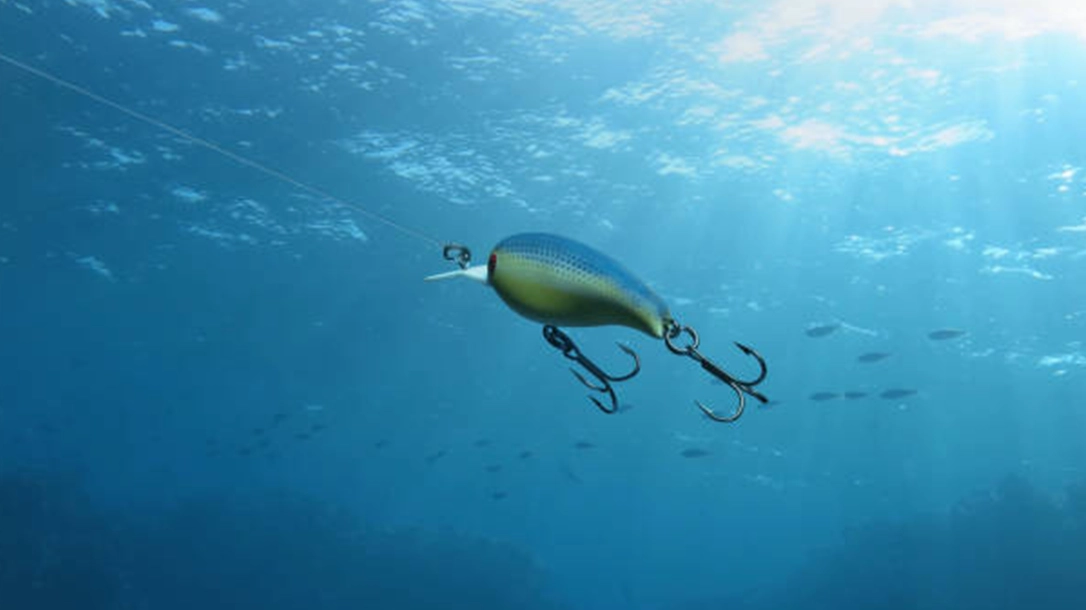
Most anglers, myself included, prefer to fish shallow water for bass and panfish. There are many reasons for this, but for me the biggest one is visibility. I like being able to see the structure and cover I’m fishing. Water under about 12 feet deep is much easier to break down and understand.
Instead of fishing wide-open areas of a lake where structure isn’t visible, I tend to search out drop-offs, peninsulas, docks, and shoreline cover. Part of that comes from comfort and familiarity. Shallow water has always been easier for me to understand.
I think that comfort comes from how most of us first learn to fish. Many anglers start along shorelines, from docks, or around visible cover. Early on, we learn how to catch fish under docks, along weed edges, or around shallow drop-offs. Those experiences shape how we approach fishing later on.
Heading out into deeper water can feel like venturing into the unknown. You can’t always see what you’re fishing, and it can be intimidating at first. Still, the rewards can absolutely be worth it. “Beating the banks,” as we often call it, is usually the starting point on any body of water, but there are plenty of benefits to exploring deeper and more open water as well.
Advertisement — Continue Reading Below
Deep Water Benefits
Deep water tends to be more stable and can provide a more consistent temperature, especially during hot summer weather. When air temperatures climb, surface water warms quickly, while deeper water remains cooler because it isn’t directly exposed to the sun.
Statistics also suggest that larger bass are often caught in deeper water compared to shallow areas. While bass move throughout the water column depending on conditions, they spend a large portion of the year in deeper areas, making it a reliable place to target them.
Shallow Water Benefits
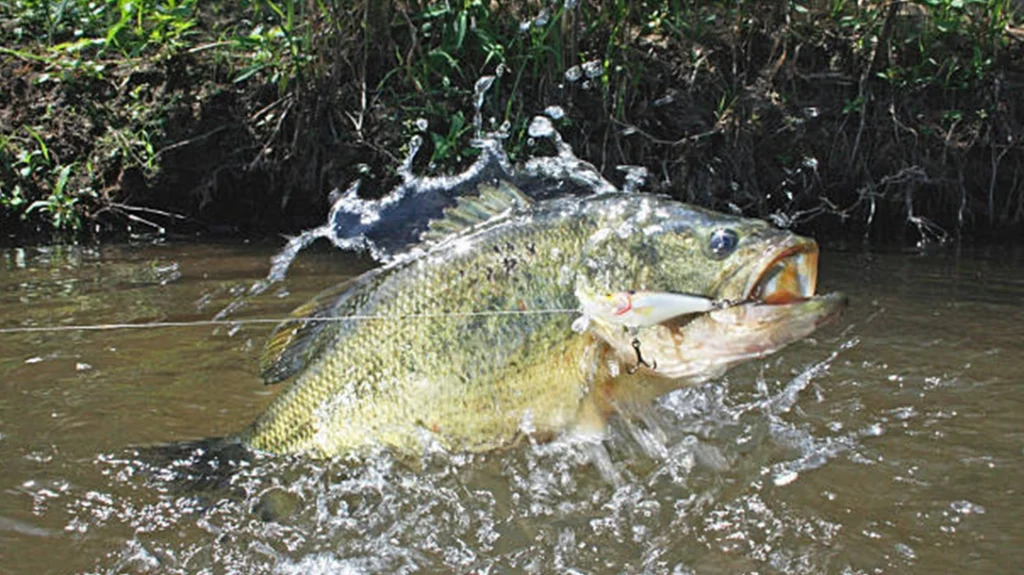
Shallow water still has plenty of advantages. Bass frequently move into shallow areas to feed on baitfish and other prey, and they use these areas for spawning during the spring.
During cooler parts of the day, bass will often move shallow to feed, following the baitfish that gather near shore. Structure such as docks, fallen trees, vegetation, or weed beds can concentrate fish and make shallow water a productive place to target them.
Advertisement — Continue Reading Below
Areas with moving water, like small creeks flowing into a lake, are also strong shallow-water spots. Flowing water is often more oxygenated and slightly cooler, which can attract fish even during the warmer months.
Bait Options
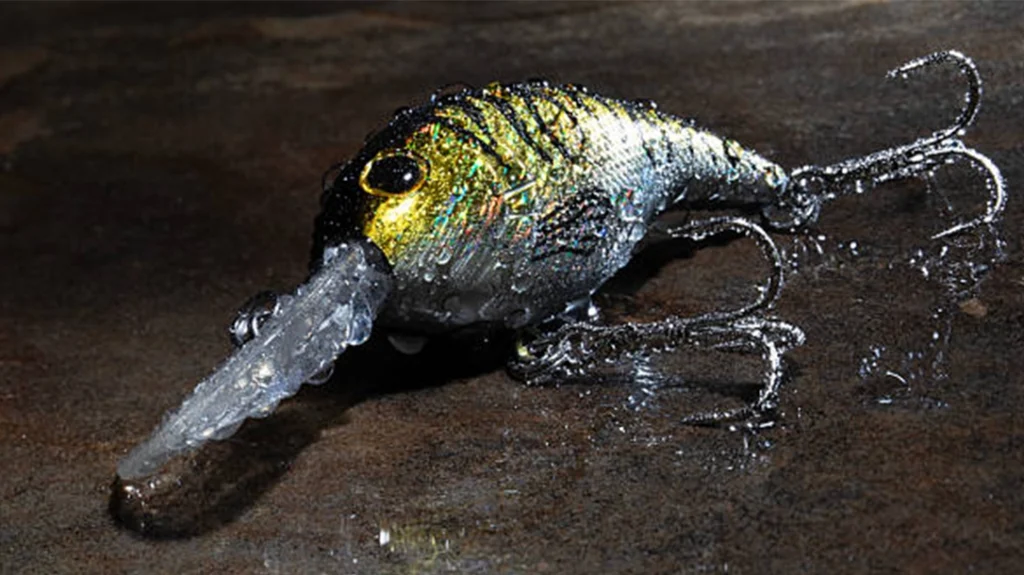
Two of the most effective baits in my arsenal for deep-water bass fishing are the football jig and a deep-diving crankbait.
A football jig, usually around 3/8 ounce, is a slower, more targeted option. It moves along the bottom and imitates crawfish, leeches, and other slow-moving or injured prey. Fishing it slowly along deep structure can trigger strikes from bass holding near the bottom.
A deep-diving crankbait is the faster-moving option. Ideally, the lure should dive deep enough to bounce along the bottom or run about a foot above it. This presentation covers water quickly and can trigger reaction bites. Retrieve the bait just fast enough to give it a steady side-to-side wobble while still making it easy for a bass to strike.
Advertisement — Continue Reading Below
Final Thoughts
Statistics consistently show that both higher numbers of bass and larger fish are often caught in deeper water. Spawning season and certain feeding periods are exceptions, when bass move shallow, but outside of those times deep water can be incredibly productive.
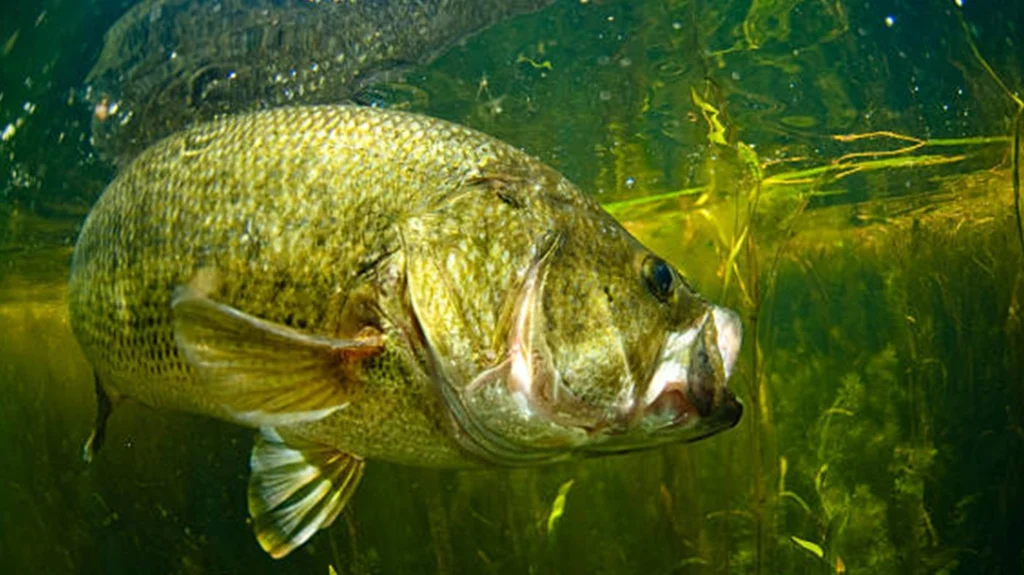
If you want to increase your chances of catching bigger fish, it’s worth stepping outside your comfort zone and exploring deeper structure. You may be surprised at how much fun it is catching bass 15 to 25 feet down, where water conditions are more stable and fish can be plentiful.
On your next fishing trip, try going deep. You might discover an entirely new way to fish your favorite waters.
WHY OUR ARTICLES/REVIEWS DO NOT HAVE AFFILIATE LINKS
Affiliate links create a financial incentive for writers to promote certain products, which can lead to biased recommendations. This blurs the line between genuine advice and marketing, reducing trust in the content.
Advertisement — Continue Reading Below