


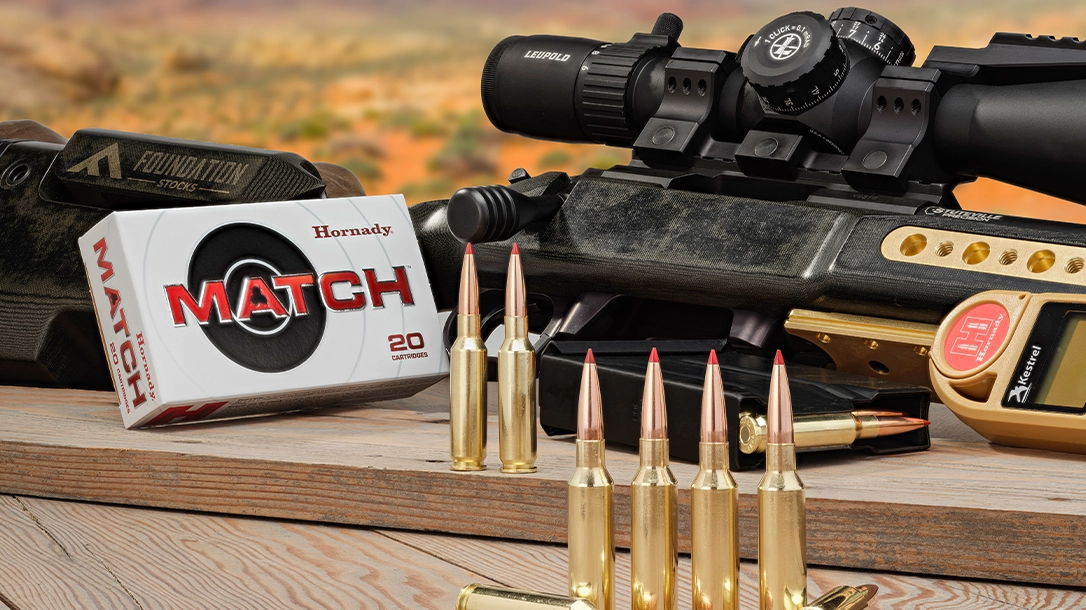
I am a cartridge nerd; I get worked up when a new one is released. I am always waiting for the latest one to pour over the ballistics and compare it with what’s already out there.
In the past few years manufacturers have introduced a lot of new rifle cartridges and seldom are they single. Typically, they are entire families of cartridges, such as Creedmoor, ARCs, PRCs, as well as Weatherby’s RPMs and Winchester’s Legends.
The 6.5 Creedmoor has been the darling of the shooting world since 2007 when its parent case the 30 Thompson /Center was necked down to 6.5. utilizing the excellent high ballistic coefficient of the 6.5 bullets. With an industry giant like Hornady behind it, the 6.5 Creedmoor gained popularity not just with target shooters but hunters looking for good downrange performance and mild recoil. Though still popular, the onslaught of new cartridges may make the 6.5 Creedmoor a fleeting thought.
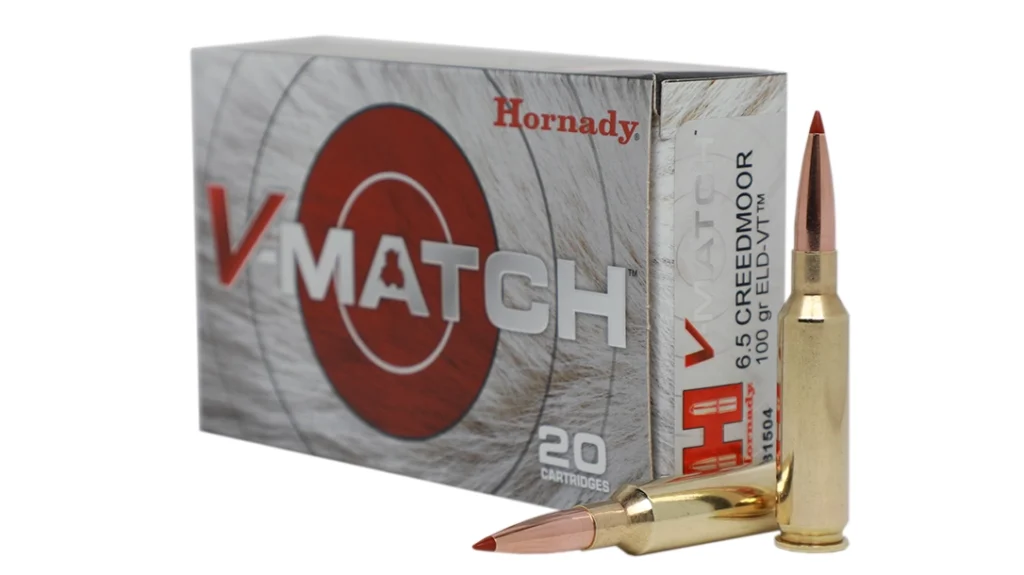
The 25 Creedmoor, the younger sibling of the 6.5 Creedmoor, is taking much of its thunder. With the introduction of higher ballistic coefficient bullets for the .257 caliber, this puts the 25 CM in a whole new category for both hunters and competition shooters. In fact, in PRS competitions the 25 Creedmoor has overtaken the 6.5.
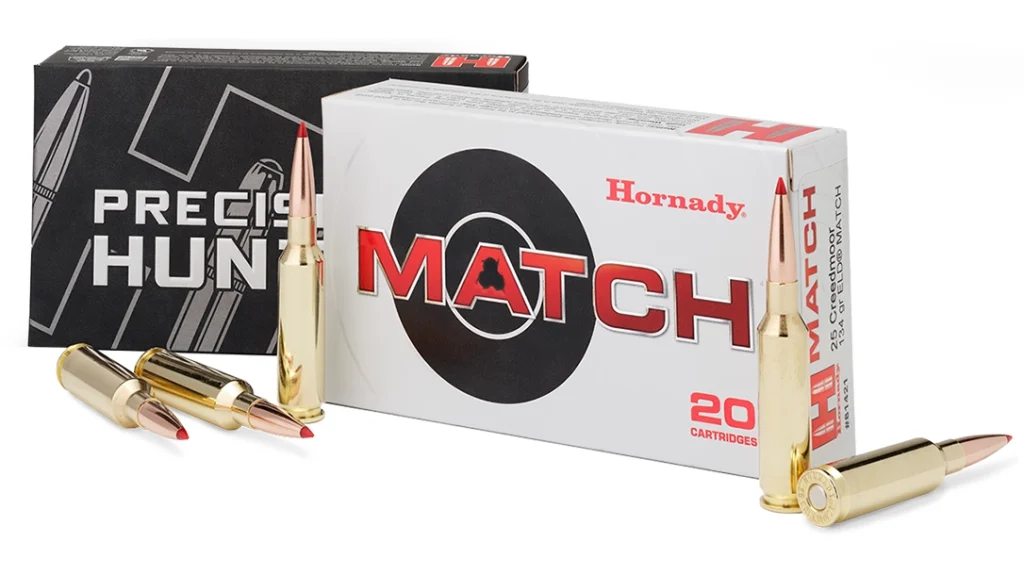
The 6mm Creedmoor is gaining more traction as a competition cartridge and shooters are flocking to it. The 6mm Creedmoor is the most widely used Creedmoor cartridge in PRS competition matches.
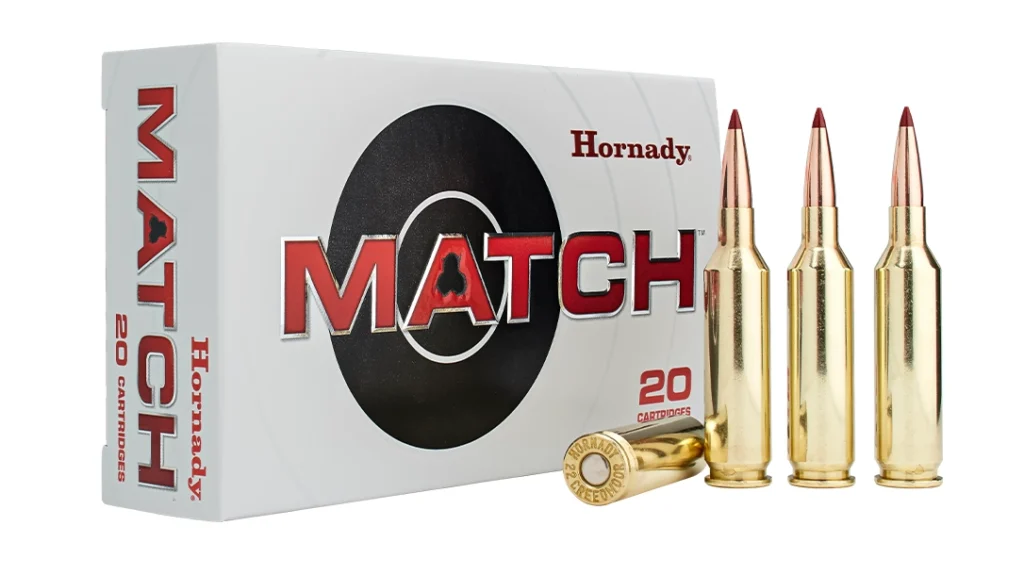
The 22 Creedmoor has set the shooting world on fire with claims of being faster than the 220 Swift with its 1:8 rate of twist. It stabilizes the heavier high ballistic coefficient bullets much better than the Swift or the 22-250.
The 8.6 Blackout is a distant relative of the Creedmoor. The case is shorter and shoulder set back to allow the cartridge to function through a standard AR-10. The 8.6 was designed as a subsonic round to be fired through a suppressor.
The ARCs
The Advanced Rifle Cartridge (ARC) line of ammo began in 2020 from the parent case 6.5 Grendel which was based off the .220 Russian and was designed by Hornady to run through an AR 15 with a 7.62x 39 bolt head. The 6mm ARC nearly duplicates the .243 Winchester ballistically but from a shorter cartridge.
The 22 ARC with its 1–7-inch twist rate was designed for the largest 22 caliber bullets. The 22 ARC keeps up with the 22-250 in an AR-15 platform. While the ARC cartridges were designed to work through an AR-15 they are also well suited for a bolt rifle, too.
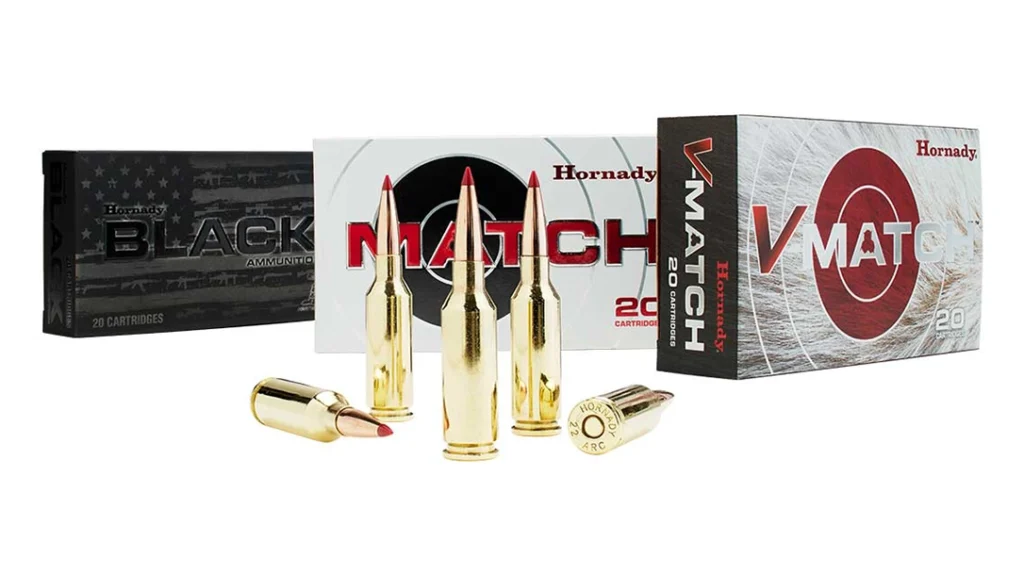
The 338 ARC is the big dog of the ARC family. Unlike its competitor the 8.6 Blackout, the .338 ARC runs through an AR-15 platform. If big honking bullets at subsonic is your game the 338 ARC is for you.
PRCs
The Precision Rifle Cartridges (PRC) are another family of cartridges currently enjoying popularity. This trio also from the minds of Hornady includes the 6.5 PRC or the 6.5 Creedmoor on steroids. If you have ever desired just a bit more from your 6.5 Creedmoor look no more.
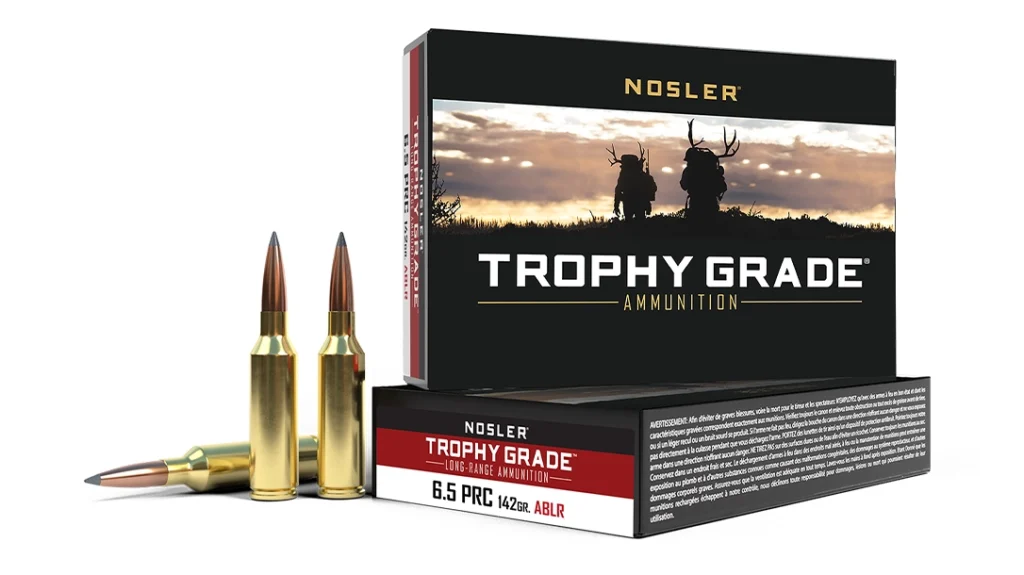
The 7mm PRC depends on the superlative ballistic coefficient of the 7mm bullets combined with high velocities. The 7mm PRC is a hunting machine, long range, short range, no matter.
The 300 PRC was initially selected for the Department of Defense long range sniping program. Need I say more about the .300 PRC other than long range?
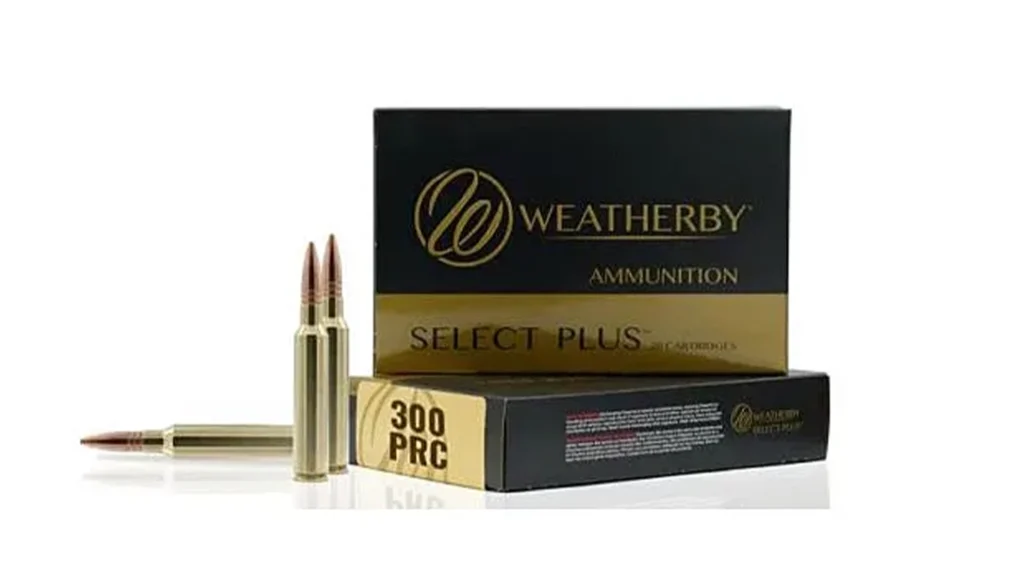
The PRC family cartridges are based off the 375 Ruger, a short non-belted cartridge designed to duplicate the ballistics of the .375 H&H Magnum.
The RPMs
Weatherby’s Rebated Precision Magnum or RPMs were the first cartridges developed by Weatherby which didn’t use a belted magnum cartridge as its parent case. Instead, Weatherby chose the rebated case of the 284 Winchester as inspiration, The 6.5 RPM was the first cartridge in the family following the ever-popular wave of the 6.5 caliber.
The 338 RPM was designed with Weatherby’s 6 lug action in mind to produce a 5 lb. rifle. A lot of thump in a small package.
The 25 RPM is also designed to be used on Weatherby’s 6 lug action with a fast rate of twist 1:7.5 inches. The 25 RPM comes close to the original 257 Weatherby Magnum ballistics but handles the newer high ballistic coefficient bullets.
The Legends
For those living in the Midwest don’t feel as though you are being left out. Winchester’s .350 Legend utilizes a .357 diameter bullet on a straight walled case based loosely on a .223 Remington (same case head diameter) The .350 Legend satisfies the legal restrictions for states like Iowa, Ohio and Illinois for deer hunting as does the newest member of the Legend family, the .400 Legend.
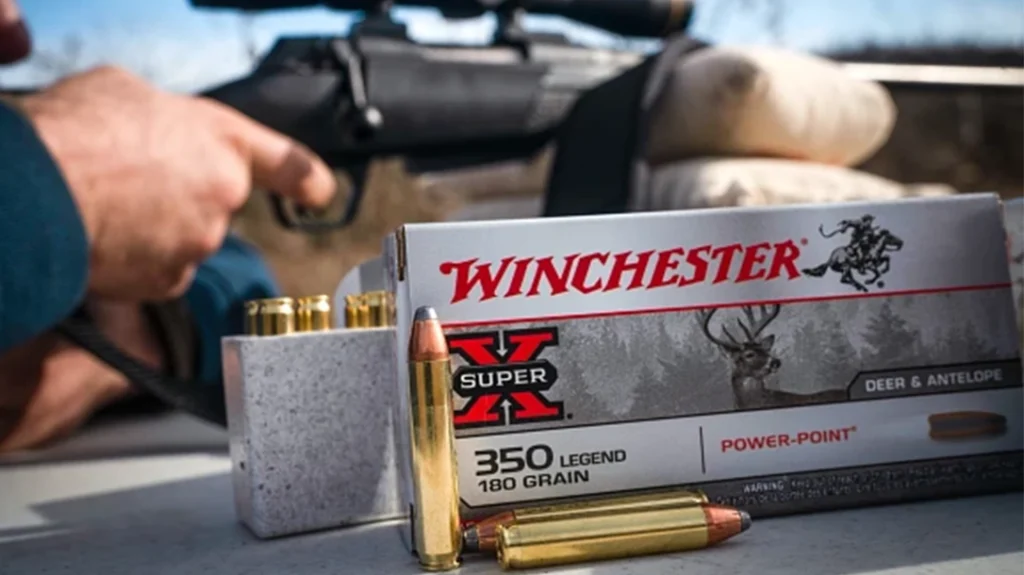
The .400 Legend utilizes the 6.8 SPC case head as its surrogate. With its capability to handle heavier bullets, the .400 Legend delivers more down range energy than the .350 but this comes at a price: increased recoil.
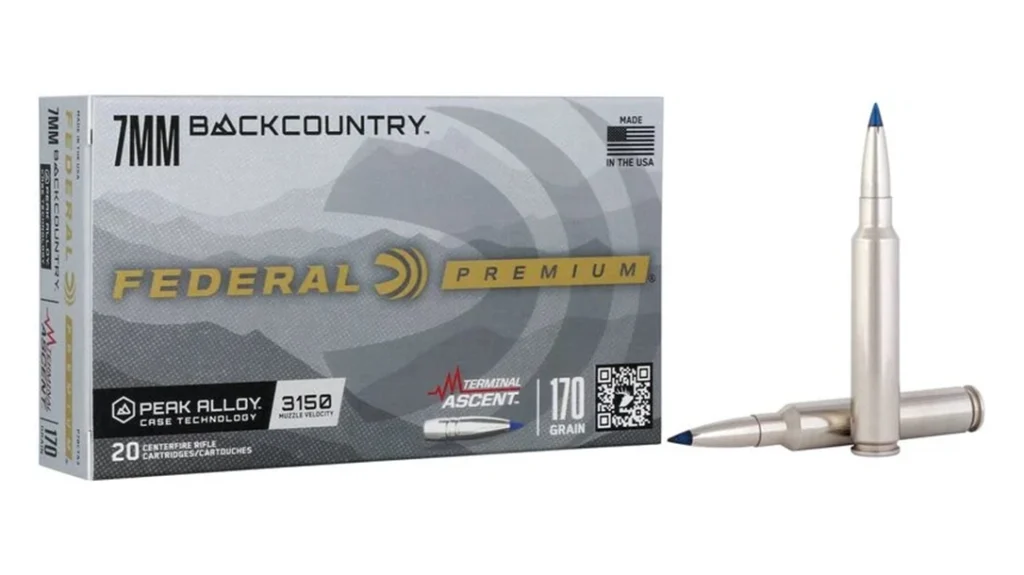
The 7mm Backcountry
While the dimensions of the 7mm Backcountry aren’t revolutionary, the alloy steel case is. The patented Peak Alloy case is much stronger than its brass counterpart and can withstand 80,000 psi. In contrast most brass cartridges max out at 65,000 psi.
Will all these cartridges be around in 25 years? It’s hard to say, but for a cartridge nerd like me, I am looking forward to the next one.
WHY OUR ARTICLES/REVIEWS DO NOT HAVE AFFILIATE LINKS
Affiliate links create a financial incentive for writers to promote certain products, which can lead to biased recommendations. This blurs the line between genuine advice and marketing, reducing trust in the content.
The post The Rise of Modern Rifle Cartridges: Creedmoor, PRC, ARC, RPM, and Legends appeared first on Athlon Outdoors Exclusive Firearm Updates, Reviews & News.