


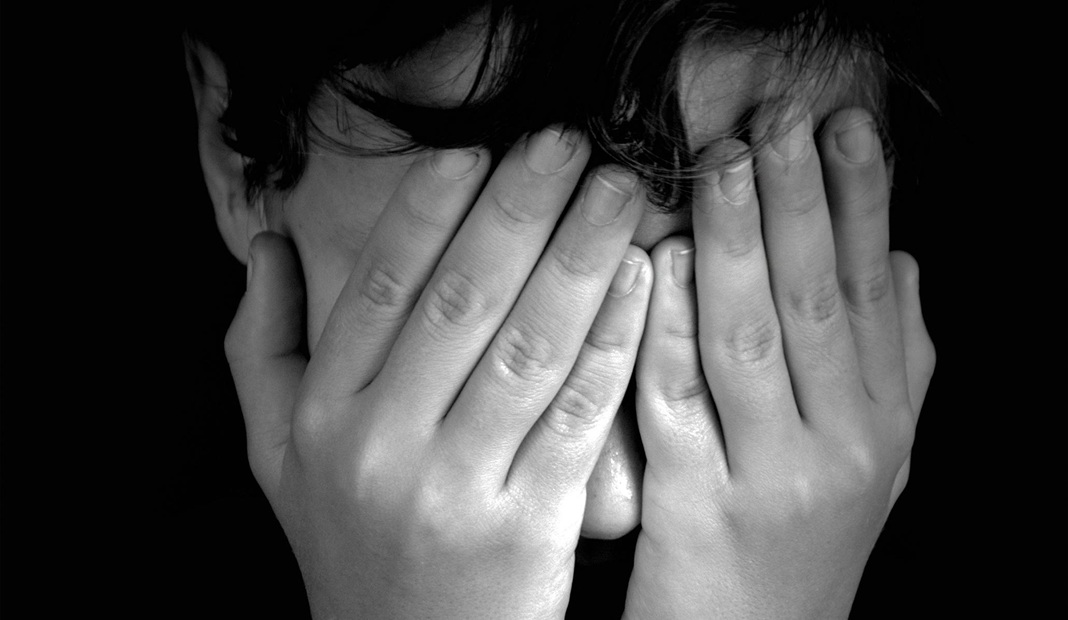
Complacency can get you killed. That’s sort of what normalcy bias boils down to, at least for the purposes of our discussion here.
An article from Yale School of Medicine defines normalcy bias like this: “The normalcy bias describes our tendency to underestimate the possibility of disaster and believe that life will continue as normal, even in the face of significant threats or crises.”
In other words, it’s a belief centered on how nothing bad has happened yet, so nothing bad is likely to happen.
Advertisement — Continue Reading Below
Here’s an example of how this plays out. The local meteorologists are predicting severe weather. Everything from hail and heavy rain to tornadic activity is in the forecast. Then, when the storm front arrives…much ado about nothing. Maybe a little rain, that’s about it. The more often this happens, the more likely people will ignore future warnings, assuming what happened in the past is what will continue to occur.
And that’s precisely when Mother Nature decides to give your town a hairy eyeball, catching you with your proverbial pants around your ankles.
Advertisement — Continue Reading Below
The Danger of Normalcy Bias
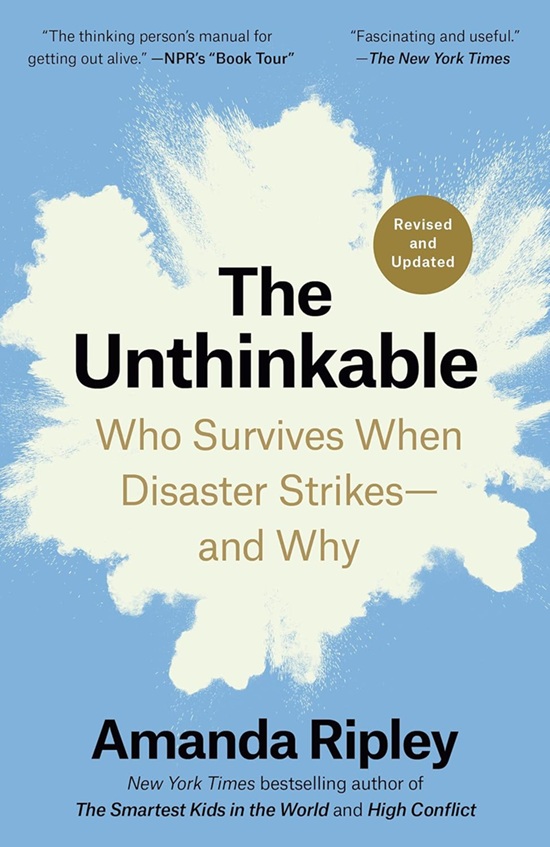
Amanda Ripley is the author of The Unthinkable: Who Survives When Disaster Strikes – and Why. She describes three responses that people commonly experience when they’re facing a disaster or similar experience. They typically happen in this order: denial, deliberation, and decisive moment.
Denial is where normalcy bias comes into play. Many people, upon facing a disaster, refuse to acknowledge that it’s happening. They’ll try to reason their way around it, no matter how far-fetched that reasoning might be.
Advertisement — Continue Reading Below
In the deliberation phase, people go through the decision-making process for how to handle the situation. This can be difficult due to the physiological and psychological changes that are occurring when you’re under stress. These include things like a negative impact on fine motor skills, feeling overwhelmed, and being scatterbrained.
Finally, there’s the decisive moment where action is taken. The quicker this occurs, the more likely you’ll avoid injury or worse in a bad situation. The problem is the time it takes to move through the other two phases. Normalcy bias mucks up the works in that regard and can delay you from taking positive action.
How to Combat Normalcy Bias
For some people, the hardest part about avoiding normalcy bias is truly admitting that bad things can happen. This sort of thinking can seem like you’re focused on doom-and-gloom, but that’s not entirely true. It’s just acknowledging that life isn’t always peaches and cream. Storms occur. Fires happen. Evil people exist.
Advertisement — Continue Reading Below

At the same time, understand that there are things you can do to mitigate your risks from these and other threats. This isn’t fear, it’s simply being realistic. Some examples of what you can do include:
- Always identify points of egress when you enter public spaces.
- Identify the most likely natural disasters that can occur in your area.
- Connect with family, friends, and others in your area who can provide a support system in a crisis.
Normalcy bias is somewhat related to confirmation bias. That’s when you subconsciously give more weight to information that matches what you already believe. We also tend to discount information that runs counter to those beliefs. Understanding this helps you recognize when it occurs and be more objective in your reasoning.
Advertisement — Continue Reading Below
We’re all human, and we’re each subject to these and other biases. Do what you can to combat them so that you’re in a better position to react quickly and decisively when under stress.