


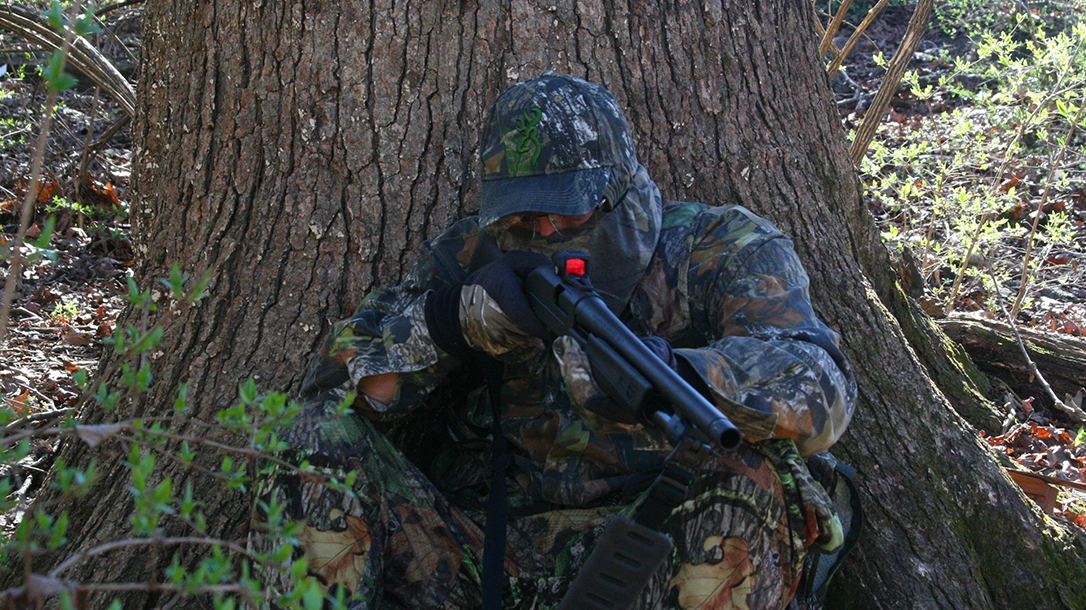
Turkey hunting flips the script on what a shotgun was built to do. Instead of throwing a wide, forgiving pattern, we’re chasing tight, precise patterns at 40 yards. These guns weren’t originally designed for that. They were made for quick mounts and fast-moving targets like flushing birds. But in the turkey woods, everything slows down. We sit still, shoulder already set, often looking through a red dot or optic, waiting for a gobbler to step into view and offer a clean shot at his head and neck.
Turkey Gun Elements
As a gunsmith, I’ve handled everything from heirloom single-shots to fully customized, short-barreled turkey rigs built for performance. No matter where a gun falls on that spectrum, there are a handful of key elements that consistently make the difference. If you’re building or buying a dedicated turkey gun, these are the must-haves worth paying attention to.
Recoil Pad
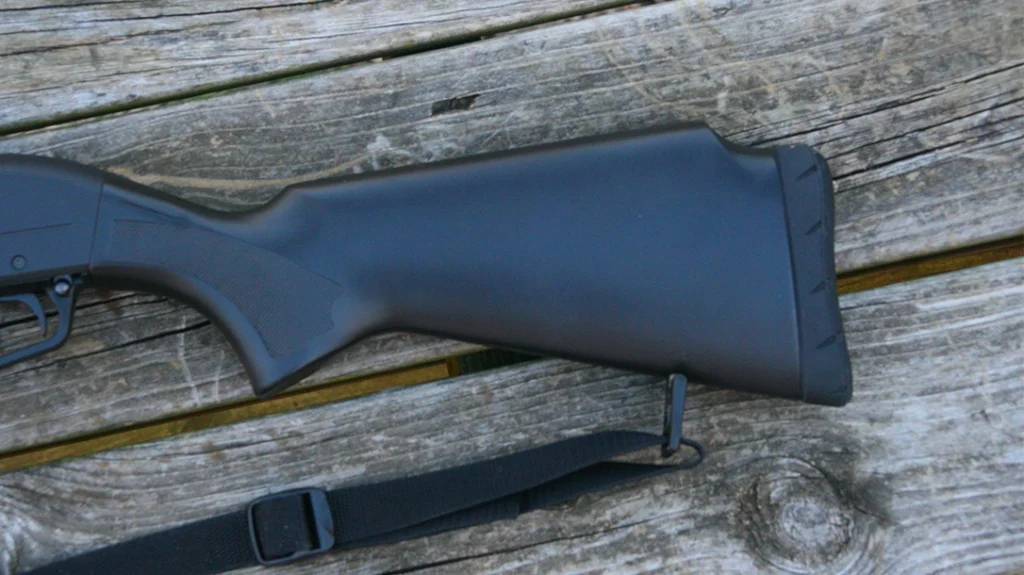
The role of the recoil pad accomplishes two tasks. The first is obvious, it must absorb and reduce the felt recoil. Secondly, and as important, I want the pad to sit in the pocket of my shoulder when shooting. A shotgun with a properly designed recoil pad, one with a bit of curvature in the pad, fits into this pocket of the shoulder. While the shotgun still kicks, the pad absorbs the recoil and doesn’t hurt the shoulder. This goes out the window when shooting sub gauge shotguns, as I’ve watched numerous hunters shooting these pipsqueaks with no regard to where the shotgun was placed on the shoulder. They’d be changing their tune quickly if they were shooting a 12 gauge with a 3” magnum.
Advertisement — Continue Reading Below
Stock Design
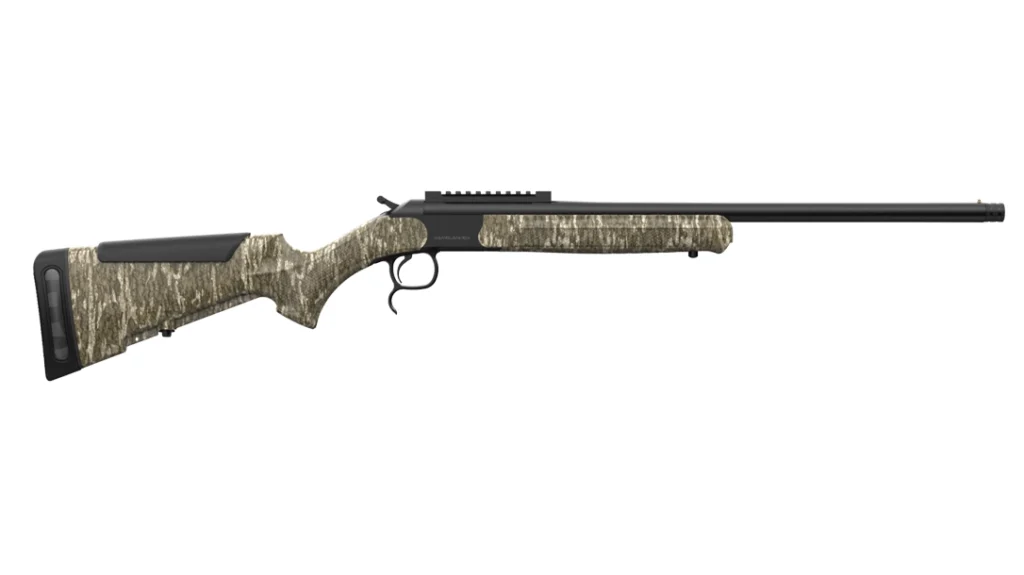
My personal preference is still a wood stock, and not just for tradition. Wood tends to absorb and distribute recoil a bit more naturally than many synthetic options, which can make a noticeable difference when shooting heavier turkey loads. That said, I’m not opposed to modifying it for the field. A non-reflective finish, whether that’s paint, Cerakote, or a camo treatment, is important to cut glare and keep things concealed when a gobbler is picking apart every detail.
Stock design becomes even more critical when you start adding optics. For years I ran a traditional scope, but this season I’m transitioning to a red dot, specifically the Vortex Viper. That change puts a greater emphasis on proper head alignment. Your stock needs to position your eye consistently behind the optic without forcing you to lift or adjust your head. While red dots are more forgiving than magnified scopes, they’re not foolproof. I’ve seen plenty of missed birds because the shooter’s cheek weld wasn’t consistent.
The amount of drop in the stock plays a big role here. Too much drop, and you’ll struggle to get a solid cheek weld, forcing you to “float” your head and lose consistency. A properly fitted stock allows your face to settle into the same position every time you mount the gun. And that’s really the foundation of accuracy repeatability. If your eye alignment changes from shot to shot, your point of impact will too.
One advantage of wood stocks is that they’re highly customizable. They can be built up, reshaped, and fine-tuned to fit the shooter. I’ve seen everything from professionally altered stocks to DIY builds using materials like Bondo, then sanded and refinished for a custom fit. Some hunters also add rubber cheekpieces, which not only improve comfort but create a more consistent contact point between the stock and cheekbone.
Advertisement — Continue Reading Below
Many manufactures are offering different inserts for the cheekpiece on their stocks especially for dedicated turkey guns like the Winchester SXP Longbeard while others offer an adjustable cheekpiece like the Retay Gamelander.
Trigger Pull
As a gunsmith, I am often asked to reduce the trigger pull on a shotgun. While sometimes this can be accomplished, more often than not, you are stuck with what you have. However, there are tricks around this. Trigger shoes; a trigger shoe fits over your existing trigger and is much wider therefore the pressure is spread out over a larger area of the shoe, and the perceived trigger pull feels lighter. I have used trigger shoes on shotguns since the early 90s.
Mounting an Optic
I am not stuck on one type of action, but my preference is a pump gun. Many semi autos and pumps feature drilled and tapped receivers. The popularity of over and unders present a snafu when mounting an optic. Some shotguns like Browning’s Cynergy Ultimate Turkey features a drilled and tapped rib for a short Picatinny scope base to allow mounting a red dot. For those unwilling to drill and tap their shotgun or want to place the mount further out on the barrel, Meadow Creek Mounts offers a low-profile mount which attaches to nearly any ventilated ribbed shotgun barrel.
Barrel length for a turkey gun is a matter of personal preference though a slight amount of velocity is lost with a shorter barrel but I find the tradeoff of maneuverability is worth it.
Chokes
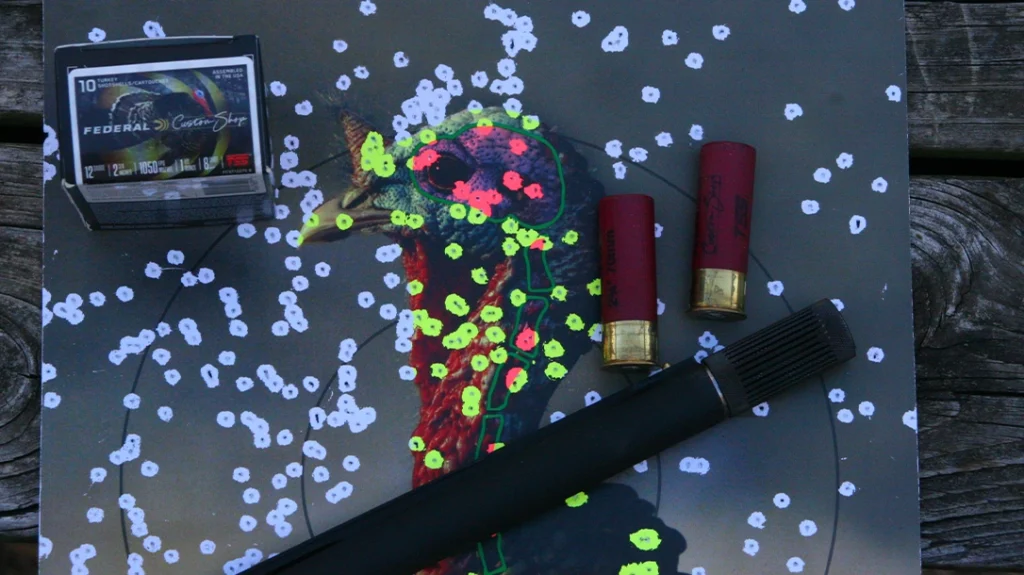
I currently shoot an 18” barrel equipped with a screw- in choke system. I pattern my guns almost to the point where I run out of ammo by the time season comes in. While shooting TSS I have found most hunters are over choking their shotguns. I like a modified or improved modified choke because it gives a dense pattern without blowing holes in the pattern.
Advertisement — Continue Reading Below
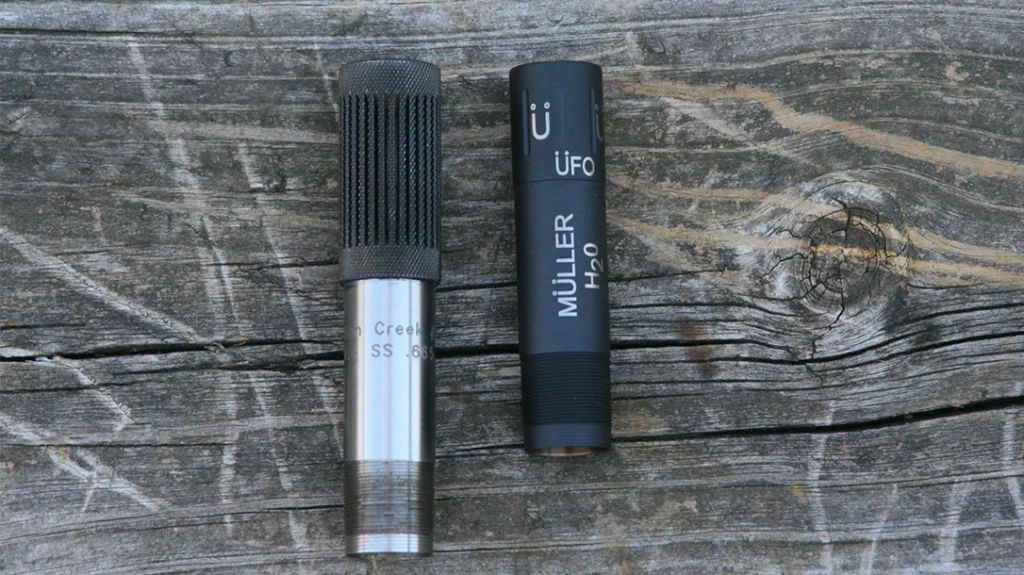
As far as chokes go, I have used them all. Many of the custom choke makers have recommendations for TSS on their websites and if you still have questions a quick call to them will usually clear up any question or concerns you may have.
One trick I use is to sight my shotgun with a trap load to get my point of impact close on target and then I switch over to the turkey load I am shooting for patterning.
Final Thought
Most turkey shotguns have a method to mount sling swivels. I like the metal studs that screw into the stock. I have seen too many of the molded in swivel attachments break out. For slings swivels, I use the Outdoor Connection swivels. These are synthetic but are ultra quiet in the woods. I’ve had the same set for 20 years with no problems.
Advertisement — Continue Reading Below
No matter if you are looking to upgrade your old shotgun or looking to buy a new one, get a shotgun to match your hunting style. A run-and-gun hunter may use a different shotgun than someone who sits in a blind. A run-and-gun hunter, who covers ground, strikes birds, and sets up quickly, typically favors a lightweight, compact shotgun with a shorter barrel for better maneuverability in thick cover. Quick target acquisition is key, so a simple red dot or even open sights paired with a comfortable sling can make a big difference when moving frequently and setting up fast.
In contrast, a sitter, whether in a blind or a well-chosen ambush spot, can prioritize stability and precision over mobility. Heavier guns with longer barrels are less of a burden and may offer slightly better balance and velocity, while more refined optics setups and customized stocks for perfect cheek weld become more important since the gun is often shouldered and held ready for extended periods. Ultimately, the run-and-gun hunter needs speed and portability, while the sitter benefits from comfort, consistency, and maximum shot control.
WHY OUR ARTICLES/REVIEWS DO NOT HAVE AFFILIATE LINKS
Affiliate links create a financial incentive for writers to promote certain products, which can lead to biased recommendations. This blurs the line between genuine advice and marketing, reducing trust in the content.