


If there’s one mistake I see anglers make over and over, it’s fishing the same water the same way all day. Fish don’t operate on our schedule. They move with light levels, changing water temperatures, bait activity, and pressure. If you stay locked into one pattern from sunrise to noon, you’ll usually find your bites slowly start to die off as the day goes on.
The better move is to understand how bass and crappie reposition as the sun climbs, then adjust to catch them. Morning fish often feed shallow and aggressively. By midday, many slide deeper, hold tight to cover, or suspend in places that offer shade and security. That means your approach to depth, structure, and lure selection needs to change as the day develops. The anglers who stay consistent aren’t always the ones with the fanciest gear or the newest electronics. They’re the ones willing to adapt.
First Light: Feed Window Opens
Early morning is one of the best times to find active fish up shallow. Low light gives bass confidence to roam and hunt. Crappie also use that dim light to push baitfish toward brush, docks, weed edges, and shoreline cover. This is the time to cover water. I’m looking for movement, bait flickering on the surface, and ambush points where fish can trap prey.
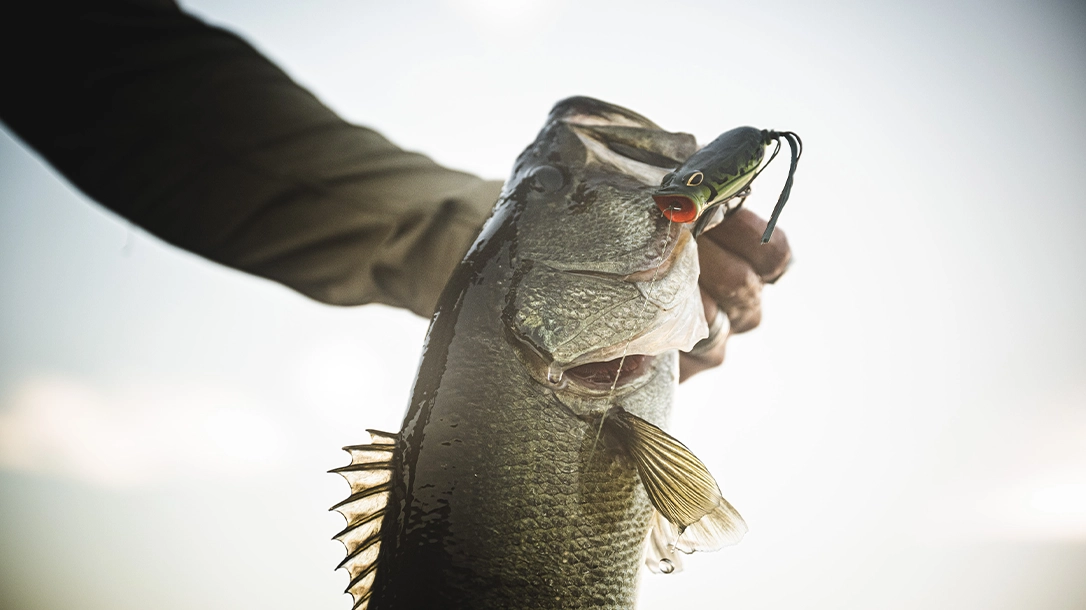
For bass, I like starting with reaction baits. A Berkley Swamp Lord Frog can be deadly around shallow grass or pads when the water is calm. If fish are feeding around points or riprap, a Rebel Pop-R or Heddon Zara Spook can call them up from surprising distances. If they’re chasing but not committing, I’ll move to a Berkley Choppo, Berkley Ripple Shad swimbait, or a spinnerbait to keep speed in the mix.
Advertisement — Continue Reading Below
For crappie, small profile presentations shine early. A Bobby Garland Baby Shad or a Berkley Gulp Minnow under a float or lightly cast around brush can be hard to beat. If they’re active, I’ll use a small jig and swim it through the water column instead of fishing vertically. If I’m fishing under a bobber, I like to tip my jig with a Berkley Gulp Alive Waxie.
This is also when longer casts matter most. Fish can be spooky in calm conditions, so pairing quality line with smooth tackle helps. For bass I like to string my Abu Garcia setups with a light braid main line and a fluorocarbon leader this gives me distance and sensitivity. For Crappie I like to use a Fenwick HMG Trout and Panfish rod paired with a Pflueger President reel. This combo allows me to make targeted cast and feel the smallest of bites.
Reading the Transition
Once the sun clears the trees and starts warming the water, fish behavior often changes fast. This is where many anglers miss the bite because they keep throwing the same shallow pattern that worked an hour earlier.
Bass may still feed shallow for a while if there’s wind, clouds, stained water, or heavy cover. But on bright bluebird days, many begin sliding toward the first break line, find a nearby dock, look for brush piles, or settle into submerged grass edges. Crappie make similar moves. Instead of roaming open edges, they’ll often tuck tighter to standing timber, deeper brush, bridge pilings, or suspend over deeper water close to structure.
The key is not abandoning the area completely. Often fish don’t move far, they just reposition. That shallow flat that produced at sunrise may still hold fish by 10 a.m., but now they’re sitting on the drop just off the side of it.
Advertisement — Continue Reading Below
Mid-Morning Adjustments: Slow Down and Drop Deeper
As the easy feeding window closes, I start fishing more precisely.
For bass, I’ll rotate from topwater and fast movers to some of these key baits:
- Berkley Power Worm on a Texas rig around wood or grass edges.
- YUM Dinger skipped under docks or worked along shade lines.
- Berkley SlobberKnocker pitched to isolated cover.
- Medium diving crankbaits like a Berkley Frittside along break lines.
Now I’m targeting spots instead of banks. I look for shade pockets, brush piles, dock posts, isolated stumps, and secondary points. They all become high-percentage targets.
For crappie, this is when bobber fishing starts to shine. If I marked brush in 10 to 18 feet, I’m dropping a jig straight to them and holding it in place. A lot of crappie anglers move too much when the fish want the bait almost dead still. Small plastics from Bobby Garland or Berkley crappie lines are excellent here. Color matters less than depth and presentation once the sun gets high.
Midday: Shade, Depth, and Precision
By midday, fish often become more predictable even if they’re less aggressive. Bass usually relate to one of three things: shade, cover, or deep water clsoe to feeding zones.
Advertisement — Continue Reading Below
This means docks, laydowns, brush piles, rock ledges, channel swings, and matted vegetation all deserve attention. I’ll often use a sensitive rod like a Fenwick HMG to feel subtle bites when flipping jigs or worms. Some of the best midday bass fishing happens when most anglers give up. They assume the bite died, but really the fish just changed addresses.
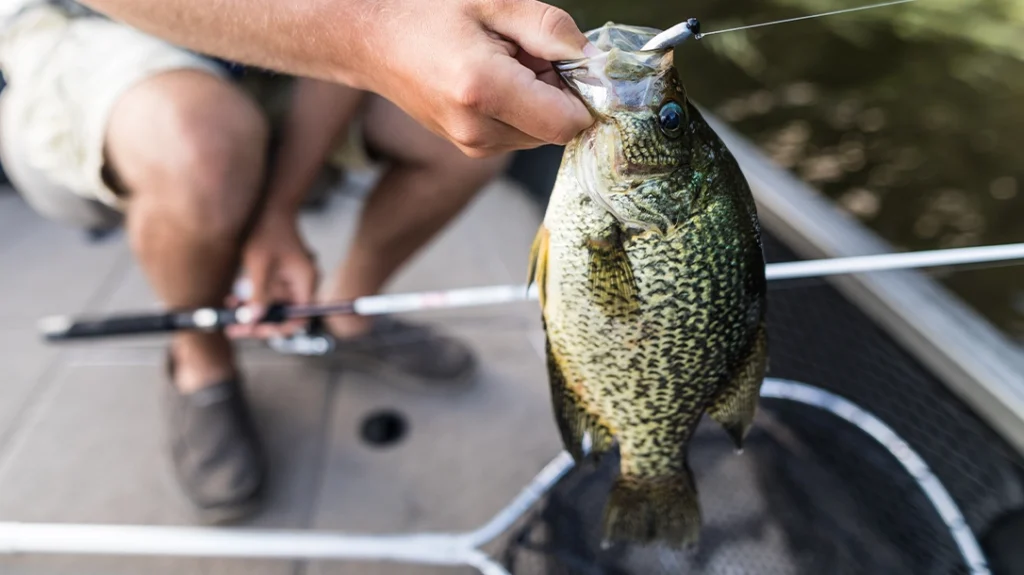
Crappie can stack tightly by noon. One productive brush pile may hold a school, while ten similar spots hold none. Electronics like my Humminbird Mega Live help, but patience matters too. If I know fish use an area, I’ll fish it thoroughly before moving. This is where spinning tackle really earns its place with light line control, smooth drag, and accurate presentations with small jigs.
Let Conditions Override the Clock
Time of day matters, but conditions matter more. A cloudy, windy day can keep bass shallow for hours, rain can extend a topwater bite, and muddy water reduces light penetration which often keeps fish shallower longer. When it comes to cold fronts, they can push fish tight to cover earlier than expected. Because of this use the sun as a guide, not a rulebook. If fish are still blowing up bait at 11 a.m., don’t force a worm because “it’s time.” If they vanished from the bank at 8:30, don’t keep burning a spinnerbait where they were an hour ago. Fish what the conditions are telling you.
My Simple All-Day Game Plan
If I’m trying to stay on fish from first light through midday, I break it into three phases:
Advertisement — Continue Reading Below
Sunrise to 8 a.m.
Cover water shallow with topwater, spinnerbaits, swim jigs, or moving crappie jigs.
8 a.m. to 10 a.m.
Check nearby transitions: drops, grass edges, docks, brush, secondary points.
10 a.m. to Noon
Slow down. Fish shade, deeper structure, and precise targets with worms, jigs, or vertical crappie presentations.
That simple progression keeps me from wasting half the day on dead water.
Following the Fish
Fish move, feed, and reposition constantly. The anglers who catch them consistently are the ones willing to move with them. Morning rewards aggression and covering water. Midday rewards patience and precision. So, the next time the early bite fades, don’t assume the day is over. Pick up your favorite rod, switch presentations, target the next zone out, and keep adjusting. As the sun gets higher, your odds can too.
Advertisement — Continue Reading Below
WHY OUR ARTICLES/REVIEWS DO NOT HAVE AFFILIATE LINKS
Affiliate links create a financial incentive for writers to promote certain products, which can lead to biased recommendations. This blurs the line between genuine advice and marketing, reducing trust in the content.