


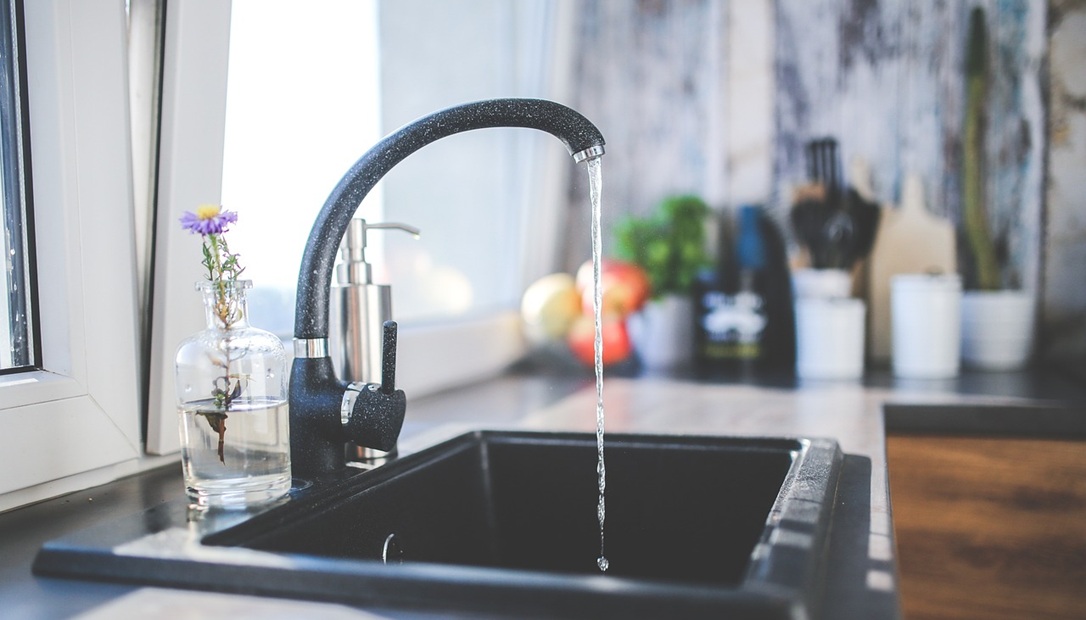
Water is key to our survival. Without it, we’ll perish rather quickly, typically in just a matter of days. As I’ve often said, nobody has ever come through a disaster and been upset that they had too much clean water available to them. Despite our best efforts at storage, there’s always a chance we could be caught in a bad situation without adequate quantities of H2O on hand. Fortunately, there are a few places in the average home where water can be found if the taps aren’t working.
Emergency Water Sources in the Home
Water Heater
Water heaters vary in size, but the average is around 30-40 gallons. Before you drain any water from it, be sure to turn it off. This is especially important if it is an electric water heater. If the power kicks back on and the tank is empty, it can damage the heating element.
The water heater has a drain toward the bottom. Older heaters likely have some amount of sediment that’s settled on the bottom if it hasn’t been drained regularly. You can try using an unfolded wire hanger or similar implement shoved through the drain to stir things up and get the water draining.
Advertisement — Continue Reading Below
Toilet Tank
Read that again. We’re talking about the toilet tank, not the bowl. Provided you haven’t tossed any of those drop-in cleansers into the tank, you should be good to go. Most tanks hold about a gallon of water, more or less. Just lift the top off and scoop it out into another container.
Fish Tanks
Advertisement — Continue Reading Below
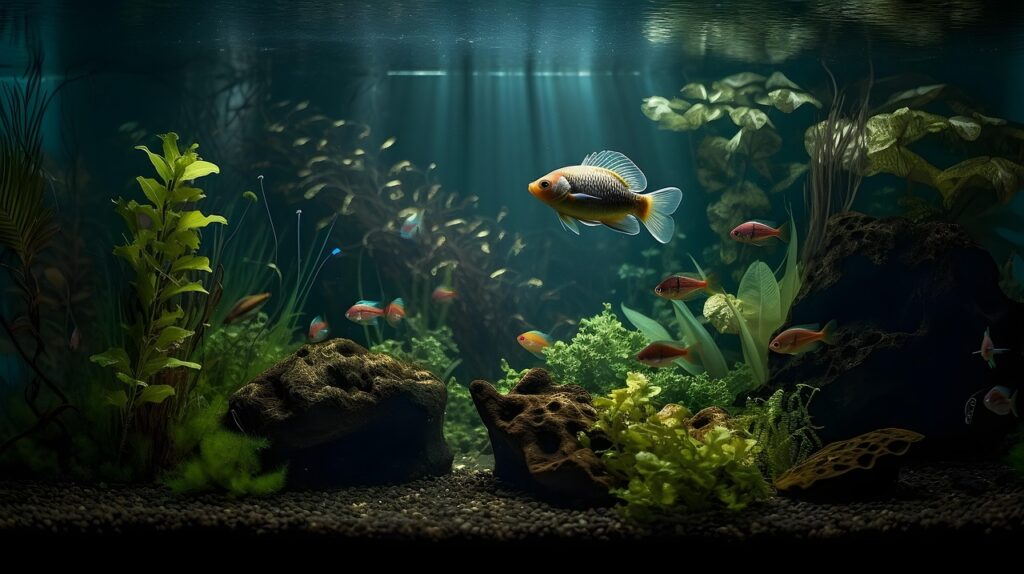
If you have freshwater fish tanks, and you’re willing to sacrifice your finned friends, you can swipe the water for your own use. The amount available will obviously depend on the size and number of tanks. Again, this is far from ideal, but if it means surviving for another day or two, so be it.
Plumbing
Even if you don’t have any water pressure, there may still be water in the pipes you can drain. Place a container under the faucet at the lowest point of your home and open the tap. Then go to the highest faucet and open that one as well. Have someone stationed at the receiving end with additional containers they can swap out if one gets full.
Water Treatment
None of these sources should be considered clean or potable, with the possible exception of water drained from the pipes into clean containers. For the other sources, the water should be treated before consumption. There are several options to consider for doing this, from boiling to filtration and more.
Advertisement — Continue Reading Below
Don’t Plan to Improvise!
While none of these water sources are great solutions, they can work in a pinch. Don’t count on them, though. Consider them to be longshot backup options if you have nowhere else to turn.
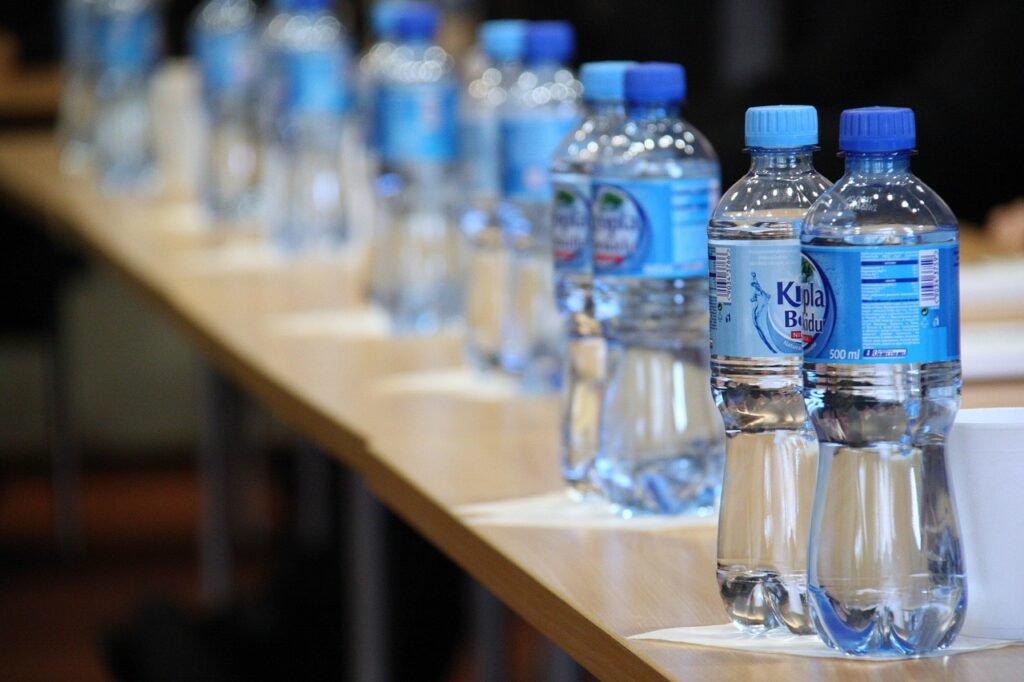
Try to always have some amount of clean water stored in the home that can be used in an emergency. Consider that a case of 24 half-liter bottles is a bit more than three gallons. You could also store sealed gallon jugs of water. Both are fairly cheap and easy to squirrel away until they’re needed.
Advertisement — Continue Reading Below