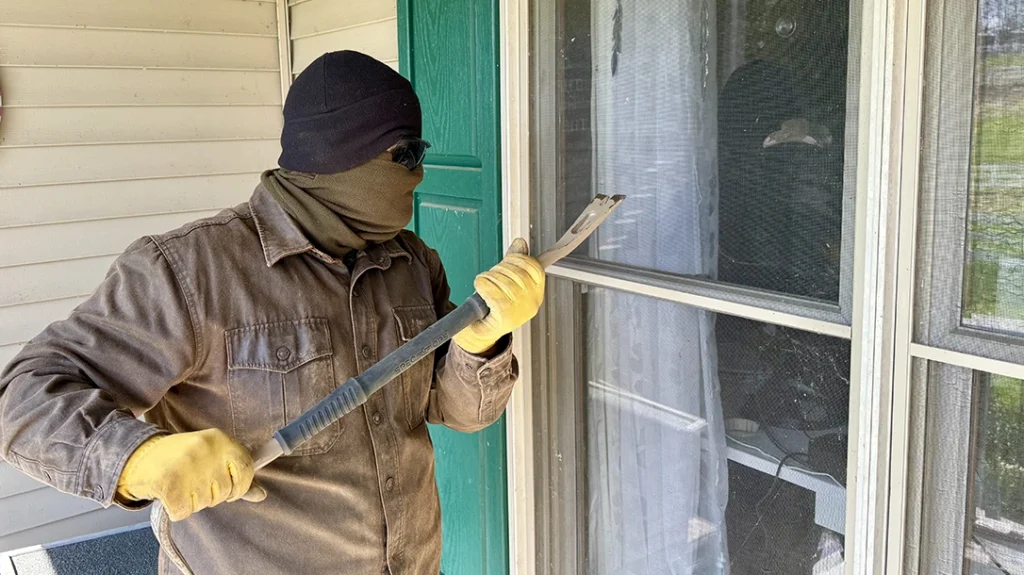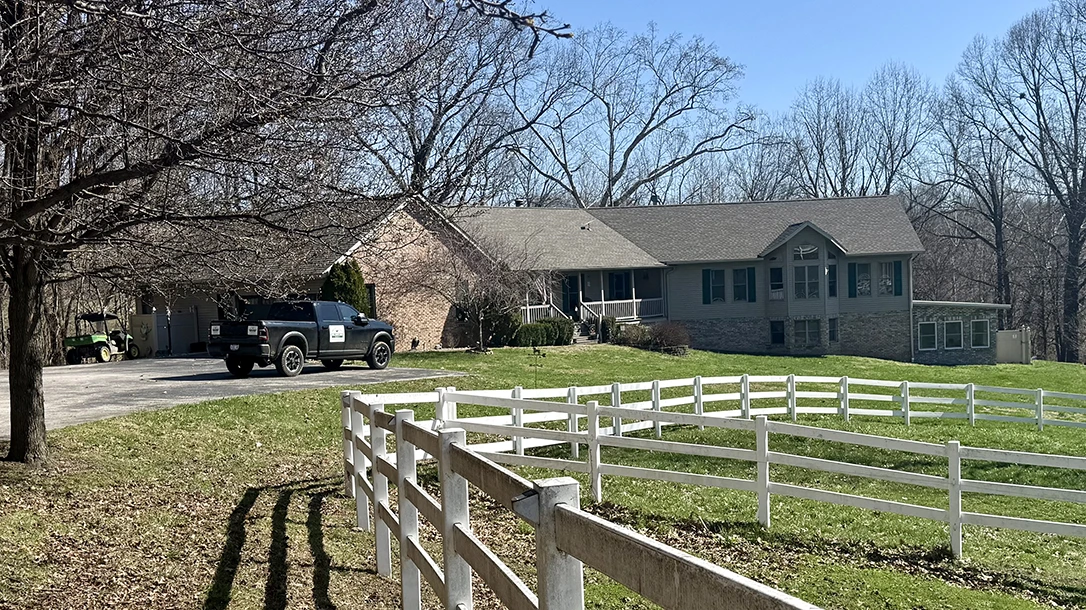
There are many sites that contain semi-reliable data regarding home burglaries and home invasions. While the statistics may look bleak, all is not as hopeless as it may first appear. If you spend a little time planning out your home defense, you can increase your odds of successfully thwarting a home invasion. Let’s discuss.
The Importance of Planning Your Home Defense
Home burglaries can be defined as the intended theft of goods when no one is present in the home. Similarly, a home invasion is an attack on the occupants of a home. Though the motivation behind those attacks is different, the methods of entry and techniques to reduce the success of attacks are generally the same.
Few people want to live in an impenetrable bunker. However, there are several steps that can be taken to reduce the speed and success of an unwanted entry into a home.
Advertisement — Continue Reading Below
I often address this succinctly in home defense classes as, “the goal is not to make your home impregnable. It is to dissuade a person from trying to break in, and if they do, make it take longer and be noisier than they expect.”
Within this framework, we want to devise a comprehensive defensive strategy centered around the most common points of entry in typical homes and what crime statistics tell us about those break-ins. When a firearm is used defensively, estimates suggest that the use occurs between 50-80% of the time defending one’s home and/or property.
Advertisement — Continue Reading Below
Thus, many training classes focus on events away from the home. However, the most common place one needs to defend themselves and their loved ones is in their own homes. Let’s first look at what is known about forcible entry of homes in the United States.
What the Statistics Say
In 2022, the FBI reported 847,522 burglaries with an estimate of 270 cases per 100,000 people. Using those population-based numbers, the chance of being targeted is less than a third of a percent.
But if we divide by the number of households in the United States (135 million) instead of people, the chances jump by more than 2 times to nearly a 1% chance per year. One percent is the national yearly average. Obviously, this is influenced by crime rates where you live, with some homes having a much higher chance of being targeted and others a much lower one.
Advertisement — Continue Reading Below
When the FBI interviews criminals who specialize in burglaries, we start to see multiple trends. Eighty-three percent look for the absence of alarm systems and other easily identifiable markers that a home is unprotected. Private industries specializing in home alarm systems often report that homes without alarm systems are 3 times more likely to be targeted.

The most common time for burglaries is during the day (10 am-3 pm). Correspondingly, the most common point of entry is the first floor (81%), and the most common method of entry is the front door (34%).
Advertisement — Continue Reading Below
Finally, only 12% of burglaries result in an arrest and conviction by the police. Multiple sources list the most common types of goods stolen during a residential burglary as cash, prescription drugs, firearms, jewelry, and electronics.
Estimates of home invasion (someone is home during the crime) versus home burglaries (no one is home) vary from 33% to over 50%. The most common crime committed during a home invasion is simple assault (rape and murder are uncommon). Finally, only about a third of Americans are armed when such an event happens.
Three-Step Plan
Based on the data, there is a clear three-step plan anyone can make to help defend their homes. First, deter a potential attacker from even trying. Second, make entry more difficult once the home is chosen. Third, have a plan if a criminal does gain entry.
Advertisement — Continue Reading Below
Making Your Home Less Attractive to Criminals
When I lived in the suburbs in a small, planned neighborhood of 35 3-story houses, I would purposefully examine my neighbors’ houses as a potential burglar might about 2-3 times a year. My goal was to make sure my house was the least attractive in the cluster.
It is only anecdotal, but this seemed to work well, as during the five years I lived there, the average number of residential burglaries was 2-3 a year. This was a much higher rate than the national average. This spike was likely driven by the area and previous successes (none of these burglaries resulted in a conviction). During this time, my house was never targeted.
You can make your home less attractive by using highly visible techniques to dissuade a potential burglar from targeting it. The obvious addition is a security system with clearly posted signs.
Advertisement — Continue Reading Below
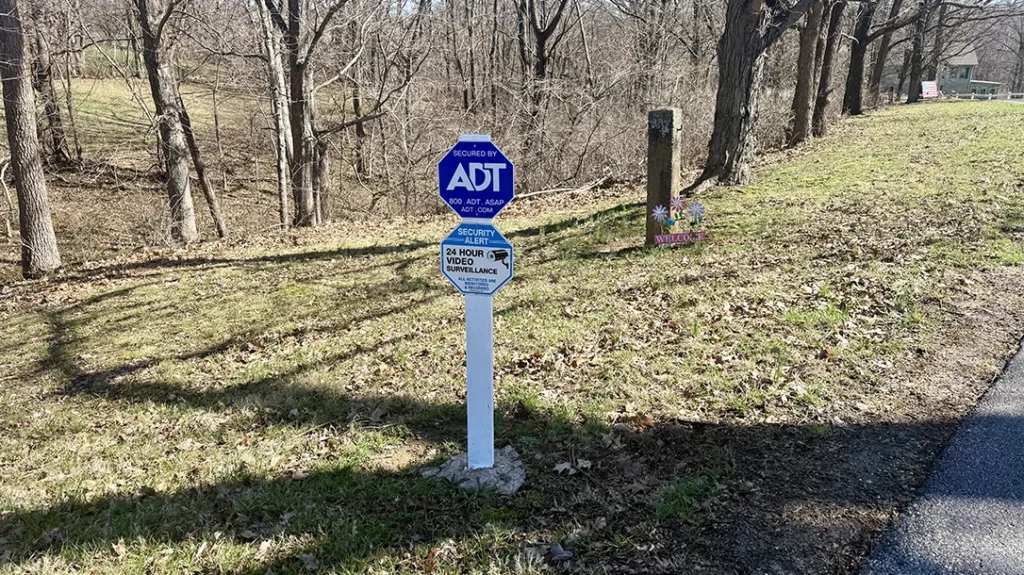
Other techniques can include:
- Visible cameras (ours covered access to the property and each entryway)
- Well-lit entry ways (we had external lights covering all ground-floor entrances set to go on as it became dark)
- The presence of large dogs (we had three Great Danes and two Labrador Retrievers)
- No obvious entry ways covered by greenery
- Solid-looking doors.
I also replaced the fancy, mainly glass front door with a solid exterior door. Each home and neighborhood will differ. However, the goal is to communicate that your home is a poor choice to a criminal looking for easy pickings.
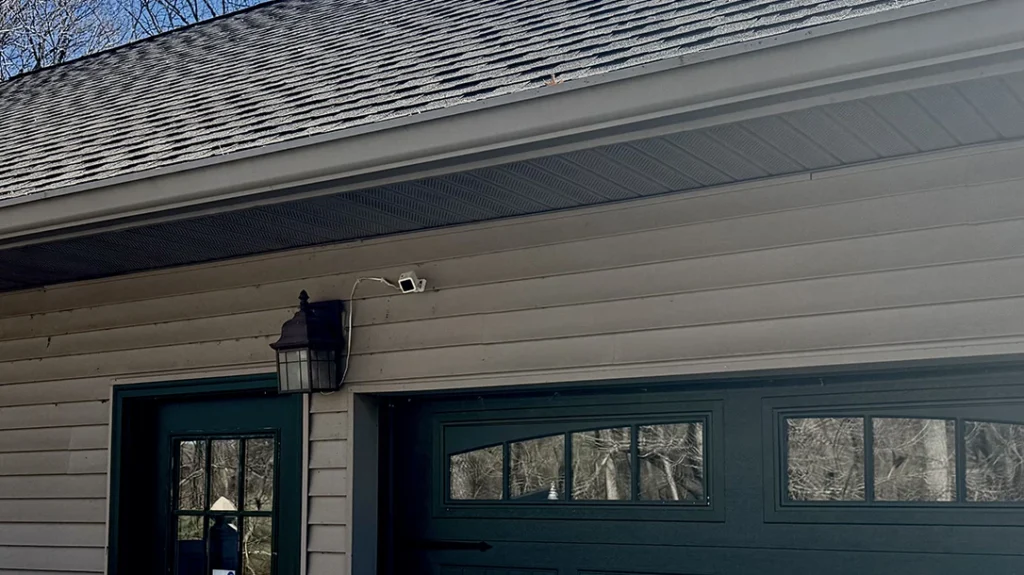
Slow Criminals Down If They Do Target Your Home
If your home is targeted, what can you do to make entry more difficult? Except in some extreme scenarios, the goal is not to make your home impenetrable. The goal is to increase your warning time and awareness if home.
Thus, what can you do to 1) slow down entry, and 2) make entry noisier? Slowing down entry includes making sure all ground-floor doors and windows are locked. Beyond using locks, consider adding a secondary lock to each primary door. (All our main entry paths are locked every night, have a second dead-bolt lock, and a third internal method of barring entry.)
Check the screws securing the lock plates to the door frame to make sure they are long enough to fully engage the wall studs beyond the door frame. Additionally, make sure all locks are up to date and effective. A good lock (or locks) will eventually fail. However, the better secured a doorway is, the longer and noisier it will be to breach.
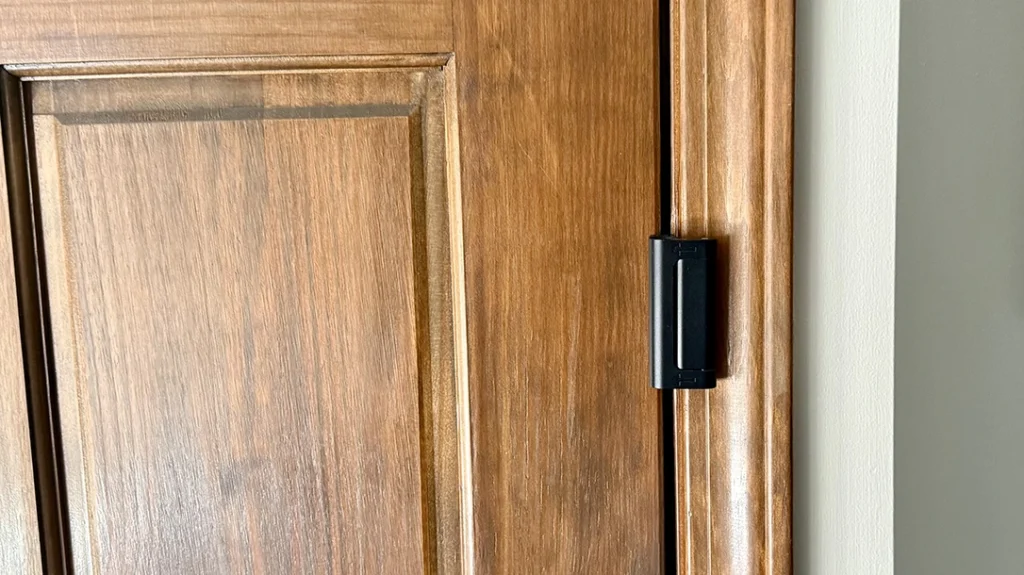
In our house, each window on our main floor has two locking systems. In addition, each one has a small table underneath with various glass knick-knacks. Beyond interior decorating, this makes it even harder for someone to quietly force a window open and gain entry.
The goals here are to increase your likelihood of being made aware of an entry and to gain time to contact authorities and prepare if an entry is being attempted.
Planning for Successful Entry
If your home is targeted and the criminals gain entry, what is your plan? I once figured out the lifetime chances of a catastrophic house fire and the lifetime chance of needing to use a gun to defend oneself or family as roughly equal (about 3% in the United States). Many of us have a fire safety plan. However, fewer of us have a home defense plan, even though both have an approximately equal chance of happening.
My family has drilled what to do in a fire and what to do in the event of a break-in. Personally, my plans only involve the use of lethal force if I am defending something I am willing to kill or die for. In other words, if I am alone in the house and can get out safely, I will.
If I am staying due to other family members in the house, I am also personally a fan of a “loud and proud” response. Inform the intruders that I’ve called the police, I am armed and willing to defend, and they should immediately leave.
Having thought through likely scenarios, having each family member briefed on their role, and having the training and tools needed to successfully implement the plan are all important.
Again, your plans will vary based on your home, its location, layout, and potential entry points. Make plans that use all three elements, including deterring targeting, slowing down entry, and being prepared to defend if necessary.