


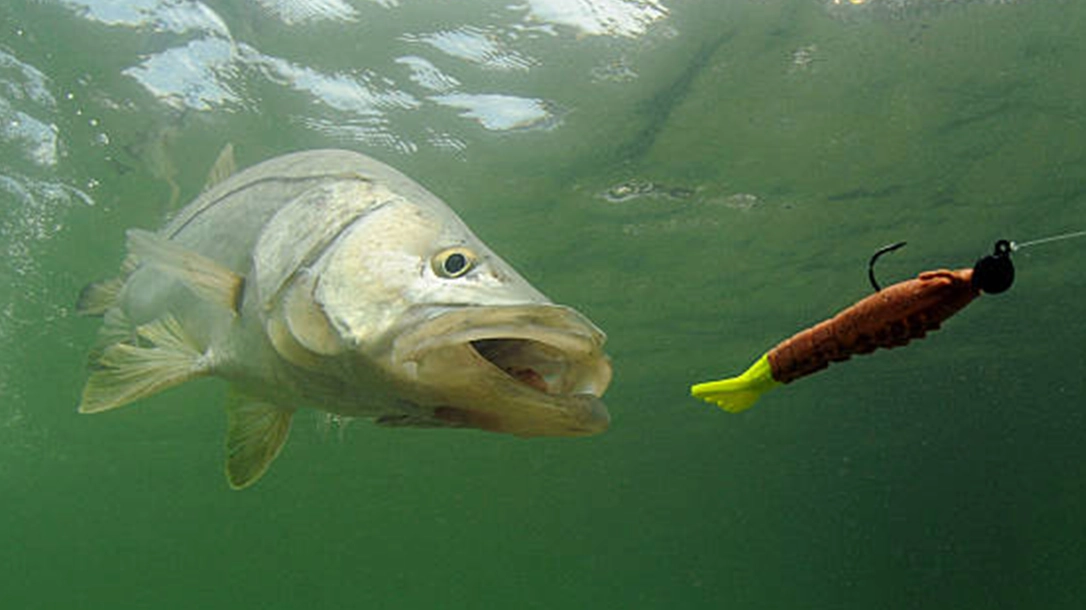
Have you ever wondered what method is better for bass fishing: power or finesse? The first is fast, aggressive, and built to cover water. The second is slow, precise, and designed to coax fish into biting. They aren’t competing techniques, but rather complementary tools. Knowing when to pick up a moving bait and when to slow down with a subtle presentation can be the difference between just fishing and consistently catching.
Power Fishing
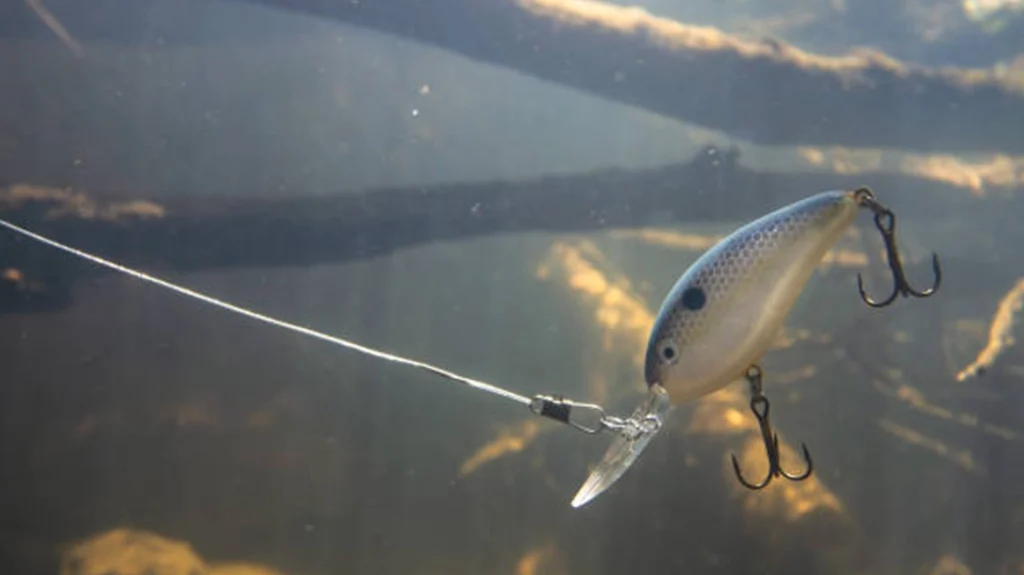
Power fishing is a technique designed to help you cover a lot of water and every level of the water column quickly and efficiently. Lipless crankbaits and bladed jigs are perfect for power fishing. I often call them “search baits” because they help you locate fish. With one lure, you can work the bottom, middle, and upper parts of the water simply by adjusting your retrieve speed.
Power fishing is especially effective when you’re breaking down a new body of water. It allows you to quickly find where fish are staging and how aggressive they are.
The Glory of Search Baits
I like to start with establishing the depth of a body of water so I know how to break down the lake into three sections. For example, a lake can have a depth of 15 feet in an area and I will separate the depth into three sections. The bottom five feet, the middle five and the top five are all separate target areas. I will tie on a power fishing bait such as a bladed jig and work it in the bottom section.
Advertisement — Continue Reading Below
This means I will cover the bottom of the body of water up to about five feet from the bottom. If no fish are found, I will speed the retrieve up to cover from five to ten feet deep to cover the middle section in the water. Again, if there are still no fish found, I will then cover the surface to only five feet deep by speeding up the retrieve even more. Let’s assume I found fish striking around the surface. Then will grab a finesse rod and begin to target only the top few feet of the water column. The search bait did its job and helped me find fish and cover a lot of water at the same time.
Enter Finesse Fishing
Finesse fishing is much more methodical and intentional than power fishing. It utilizes smaller baits and lighter set ups to target a specific area with a more lifelike and smaller presentation. The goal is to target a specific depth or area where you already know fish are active. If fish are biting in the top few feet of water, I’ll switch to a finesse setup and focus only on that zone. I’ll also concentrate on water five feet deep or less.
Surface water temperature can change quickly with air temperature and sunlight, while deeper water stays more stable. That’s another reason fish often relate to specific depth zones.
Now that we’ve found fish near the surface, I might tie on a small finesse bait like a Strike King Tumbleweed. Use a floating Tumbleweed to fish weightless near the surface and use a sinking Tumbleweed to fish in shallow water under five feet. For the sinking version, I like using a 1/16 oz drop-shot setup with a 6–10 inch leader. This suspends the bait just off the bottom and keeps it in the strike zone longer.
Advertisement — Continue Reading Below
With this method we are targeting fish exactly where the power fishing technique revealed them to be.
Power Fishing vs. Finesse Fishing
Do you need both techniques? Or can you use just one? The short answer is that they work best together. There are situations where one method shines over the other.
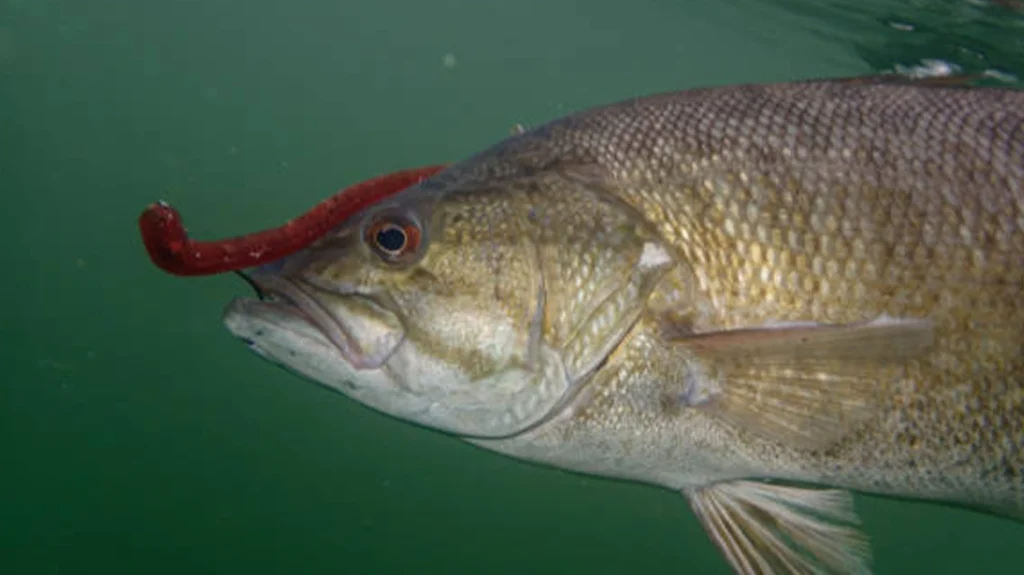
For example, in moving water or current, finesse fishing can be difficult. It’s hard to keep a light bait in the strike zone, and debris can easily snag your rig. Power fishing works better in these conditions. Throwing a moving bait in moving water looks more natural to predator fish and is often more productive. That said, once you locate fish with a power bait, finesse techniques often seal the deal.
Pro Tip
My best advice is to start with a search bait and cover as much water and as many depths as possible until you identify the pattern fish are responding to. Once you find that depth and retrieve, switch to a smaller finesse bait and focus on that exact strike zone. Most fish prefer an easy meal, which is why finesse presentations often turn lookers into biters.
Advertisement — Continue Reading Below
WHY OUR ARTICLES/REVIEWS DO NOT HAVE AFFILIATE LINKS
Affiliate links create a financial incentive for writers to promote certain products, which can lead to biased recommendations. This blurs the line between genuine advice and marketing, reducing trust in the content.