


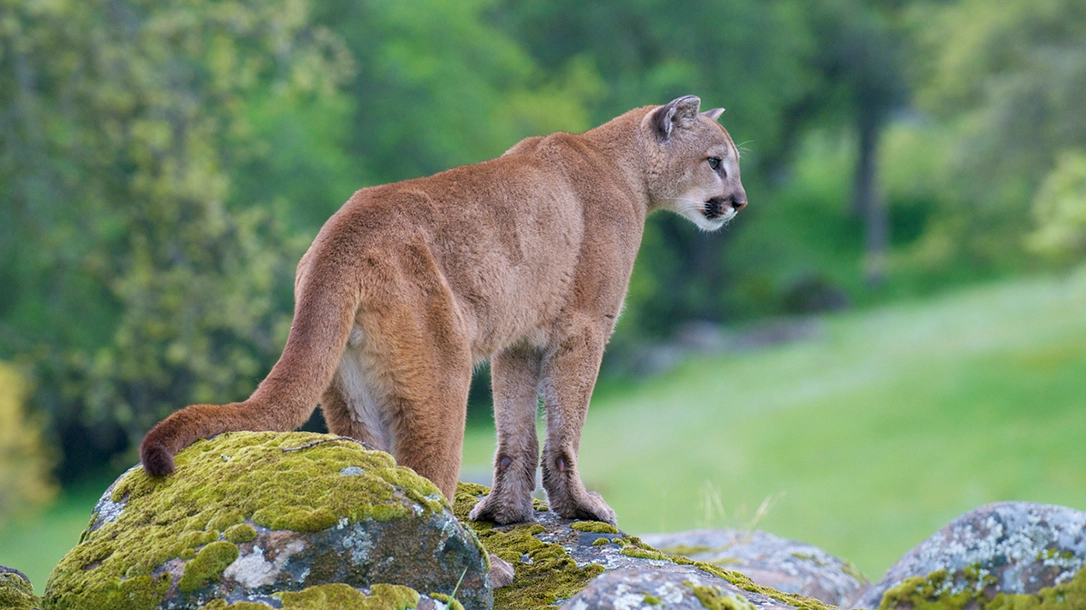
When people think about threats in the backcountry, mountain lions are probably near the top of the list. Stories of cougars stalking hikers, attacking cyclists, and ambushing hunters fuel a perception that these big cats are lurking just beyond sight.
Mountain lions, also known as cougars, pumas, or catamounts, are powerful predators capable of killing deer, elk, and livestock. There are documented incidents where they have attacked and killed and in the United States, 29 reported in the last 200 years. Compared to many other outdoor hazards, that actually makes mountain lion attacks extraordinarily rare. Statistically you’re more likely to get struck by lightning than get killed by a mountain lion.
Even so, there are some things to know when exploring mountain lion country. Understanding the actual risk, and knowing how to respond if an encounter occurs, can help people stay safe and enjoy their time outdoors without unnecessary fear.
Advertisement — Continue Reading Below
The Overall Picture
Mountain lions inhabit much of the western United States, with healthy populations in states including California, Colorado, Washington, Montana, Idaho, Utah, Arizona, New Mexico, Oregon, and Wyoming. They are mostly solitary animals, and territorial over their homelands, which leads to naturally low population densities. According to the National Wildlife Federation, these densities can vary significantly based on habitat quality, prey availability, and human activity.
Despite millions of people recreating annually in mountain lion country, attacks are uncommon. A review of cougar injuries in the United States identified just 74 documented attacks between 1924 and 2018.
Recent Attacks Show the Risk Is Real
In March 2024, a tragic attack in California’s El Dorado County made national headlines. Two brothers were shed hunting in the Sierra Nevada foothills when a mountain lion attacked them. One brother, 21-year-old Taylen Brooks, was killed. His younger brother suffered serious facial injuries but survived after calling for help. It was California’s first fatal mountain lion attack in two decades.
Advertisement — Continue Reading Below
Just weeks earlier, a group of women mountain biking near Fall City, Washington, experienced another frightening encounter. A mountain lion suddenly attacked a cyclist. The victim’s riding partners fought the animal, wrestled it off their friend, and pinned it beneath a bicycle until wildlife officers arrived. The victim survived thanks largely to the rapid intervention of her companions.
Washington has also experienced one of the most well-known fatal attacks in recent history. In 2018, two mountain bikers were riding in the Cascade foothills when a cougar began following them. Despite following recommended safety practices, one rider was killed and the other seriously injured. Wildlife officials later noted that the cyclists had done many of the things experts recommend during a cougar encounter.
Advertisement — Continue Reading Below
Even children are not immune. In 2025, a four-year-old child hiking in Washington’s Olympic National Park was attacked by a mountain lion. The child’s father intervened immediately, pulling the youngster from the animal’s jaws before the cougar could inflict fatal injuries.
Why Do Mountain Lions Attack People?
Most mountain lions avoid humans. Many people spend decades hunting, hiking, and camping in lion country without ever seeing one.
When attacks occur, several factors often emerge:
Advertisement — Continue Reading Below
- Young or inexperienced lions may be more likely to target humans.
- Children can resemble natural prey because of their size.
- Running may trigger a predator’s chase instinct.
- Solitary individuals are generally more vulnerable than groups.
- Expanding human development increasingly overlaps with lion habitat.
Researchers have also found that attacks frequently occur during daylight hours and often target the head, neck, and upper torso, which are areas predators naturally focus on when taking down prey.
How to Defend Yourself
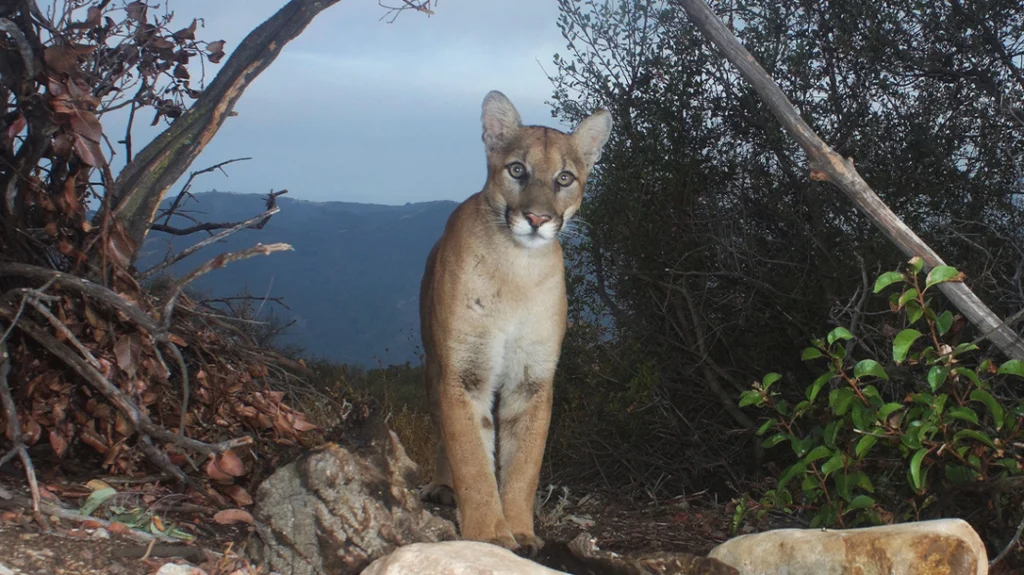
If you encounter a mountain lion, do not run! Running can trigger a chase response. Mountain lions are built for explosive speed and can easily outrun a human. Make yourself look larger by standing tall and raising your arms. If you have children with you, pick them up.
Advertisement — Continue Reading Below
Yell, shout, and throw objects if the lion approaches. Many encounters end when the animal decides the human is too dangerous to attack.
If you are attacked, fight with all your strength and whatever weapons you have. Unlike some bear encounters where playing dead may be recommended under specific circumstances, experts universally advise fighting a mountain lion.
Use rocks, sticks, trekking poles, knives, firearms, or anything available. Target the eyes, face, and nose. Several victims have survived because they fought aggressively and refused to surrender.
Advertisement — Continue Reading Below
So, Are Mountain Lions Really That Dangerous?
A mountain lion is absolutely capable of killing a human. These are powerful apex predators that deserve respect. However, the actual risk of being attacked remains extremely low compared to many other outdoor dangers. Millions of Americans recreate in cougar country every year without incident.
The key is understanding that while attacks are rare, they can happen. Awareness, preparation, and a willingness to respond aggressively if an attack occurs may be the difference between becoming a statistic or a survivor.
WHY OUR ARTICLES/REVIEWS DO NOT HAVE AFFILIATE LINKS
Affiliate links create a financial incentive for writers to promote certain products, which can lead to biased recommendations. This blurs the line between genuine advice and marketing, reducing trust in the content.