


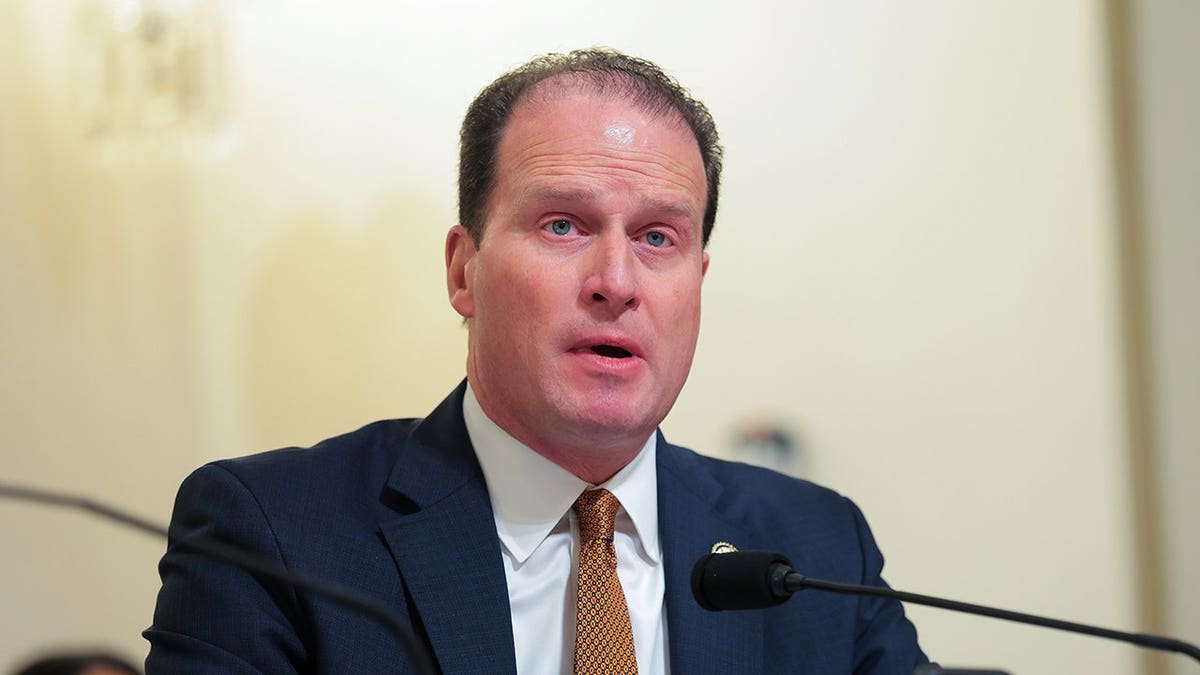
Rep. August Pfluger, R-Texas, chairman of the Republican Study Committee, says the WNBA’s response to congressional concerns about Caitlin Clark’s treatment “falls short” and warned that lawmakers will keep “every option on the table” as they continue pressing the league for answers.
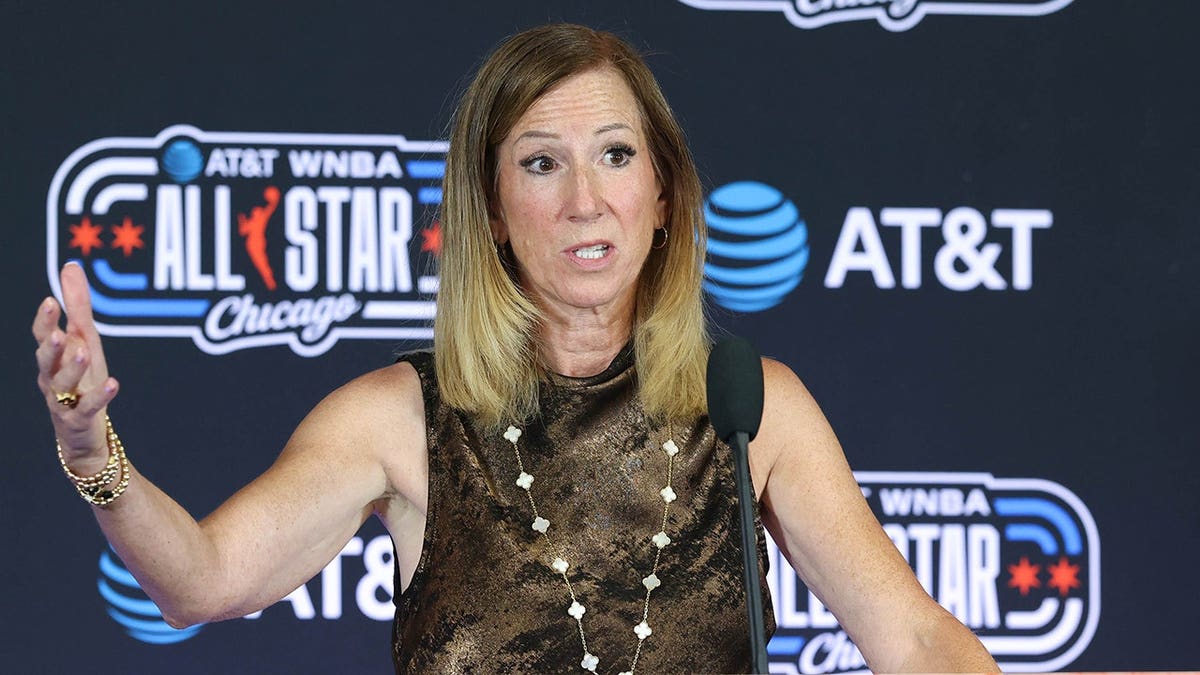
WNBA Commissioner Cathy Engelbert responded on July 24 to a letter from Pfluger and 10 other House Republicans who questioned whether the league had adequately protected Clark and held opposing players accountable for overly physical conduct.
In the two-page response obtained exclusively by OutKick, Engelbert said the WNBA’s “top priority is the health, safety, and well-being of every player in our league, including Caitlin Clark.”
REPUBLICAN LAWMAKERS PRESS WNBA COMMISSIONER CATHY ENGELBERT TO PROTECT CAITLIN CLARK
In the response, the commissioner outlined the league’s standard procedures for reviewing officiating and potentially dangerous play but did not address any of the Clark-related incidents cited by the lawmakers individually.
“The WNBA’s response falls short of what we asked for, unsurprisingly,” Pfluger told OutKick in a statement. “We didn’t request a description of the league’s general officiating and disciplinary procedures, we asked how those procedures have actually been applied in the specific incidents we raised involving Caitlin Clark, and the league chose not to answer that.”
Engelbert wrote that WNBA Basketball Operations and Referee Operations conduct separate reviews after every game. One review examines “atypical or overly physical plays,” while the other evaluates the overall performance of the officials.
WNBA MEDIA PREDICTABLY EMBARRASSES ITSELF AGAIN BY IGNORING SOPHIE CUNNINGHAM STORY OVER ALL-STAR WEEKEND
Those reviews can result in fouls being upgraded after a game, as well as fines, suspensions or other disciplinary measures. The league also uses the reviews to inform future officiating evaluations, training and guidance, Engelbert wrote.
“In all instances, the League seeks to apply the WNBA rulebook and applicable disciplinary processes consistently across all games and for all players,” the commissioner said.
Pfluger said the league offered no supporting information to demonstrate that its rules had been applied evenly.
“Saying you apply your rules ‘consistently across all games and for all players’ is an assertion, not evidence, and it’s the league’s burden to show that, not ours to assume it,” Pfluger said.
“Until the WNBA is willing to engage with the specifics of our information requests instead of simply restating their own policies back to us, our concerns remain unaddressed. We will continue to press for real answers and keep every option on the table until players are actually getting the protection the league claims they already provide.”
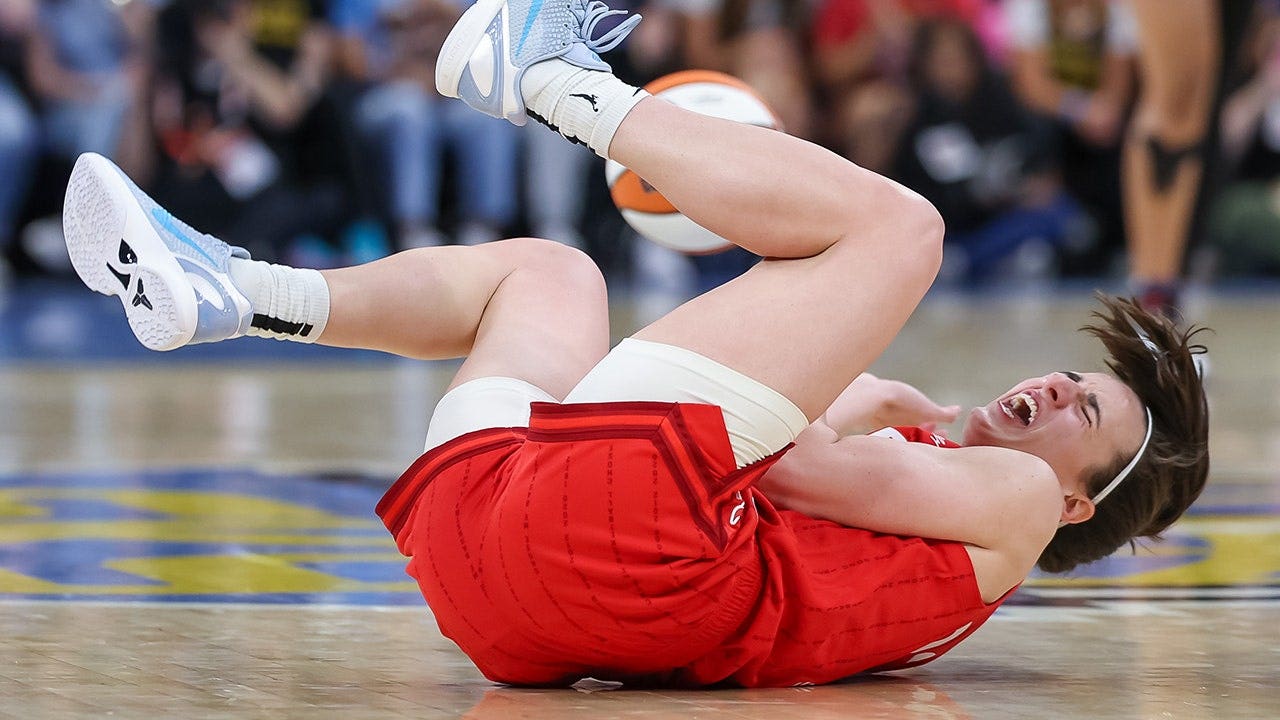
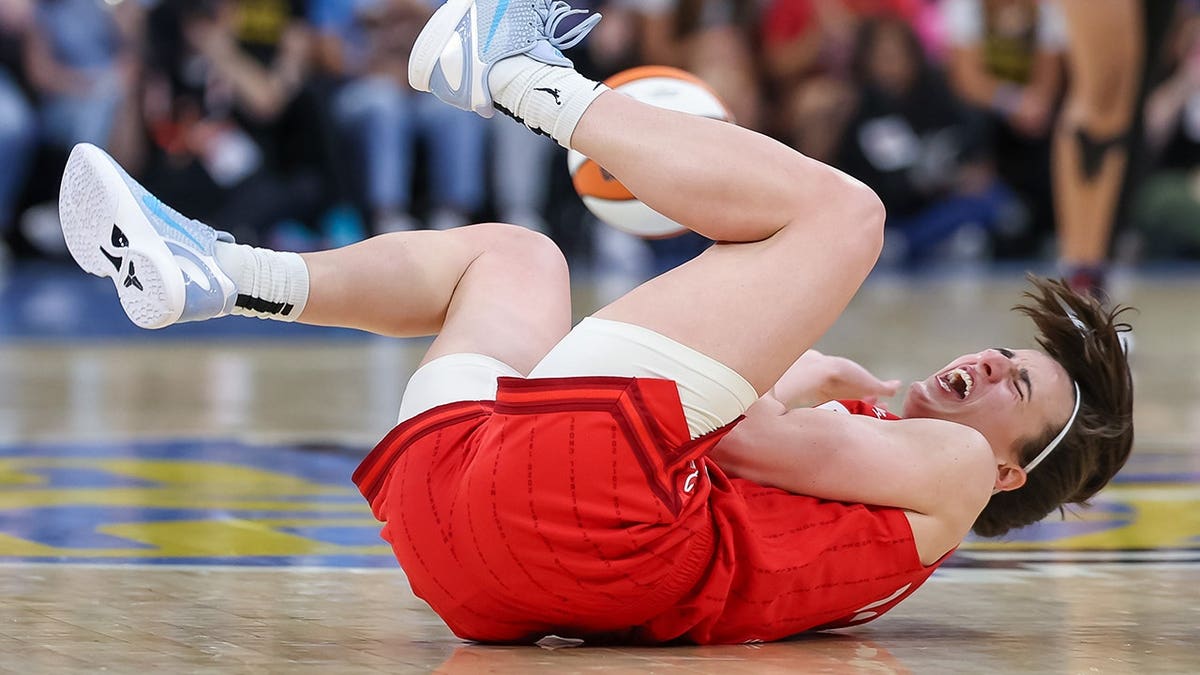
Lawmakers cited a series of incidents involving Clark
Pfluger and the other lawmakers initially wrote to Engelbert on July 7, following several highly publicized incidents involving Clark. Their letter cited instances in which the Indiana Fever star had been hip-checked, poked in the eye and struck in the throat. The WNBA later assessed Phoenix Mercury forward Alyssa Thomas a Flagrant Foul 2 and one-game suspension for the June 24 throat-contact incident.
The lawmakers argued that the incidents went “far beyond routine physical play” and accused the league and its officials of too often failing to address the conduct or hold opposing players accountable.
They asked Engelbert to explain the WNBA’s process for reviewing physical hostility and violence during games, how the league holds players accountable for overly aggressive actions, including conduct directed at Clark, and what it is doing to protect players from online harassment and off-court threats.
CAITLIN CLARK IS MISSING FROM ESPN’S NEW WNBA DOCUMENTARY AND THE FILMMAKERS WON’T SAY WHY
The letter also said lawmakers were concerned by reports suggesting some of Clark’s treatment could be racially motivated and warned that a failure to prevent discrimination, retaliation or a hostile work environment could raise questions under federal workplace and civil rights laws. The lawmakers requested a response by July 24.
Engelbert met the deadline, but her response did not address the alleged racial motivation, discuss any specific play involving Clark or provide comparative information about how the league’s officiating and disciplinary procedures had been applied to different players.
The response also did not say whether the WNBA conducted a separate review in response to the congressional inquiry.
WNBA emphasizes off-court security investments
Engelbert devoted part of the response to the league’s efforts to protect players from harassment away from games.
The commissioner pointed to enhanced arena and travel security, full-time charter flights, technology used to identify and report online threats, stronger fan conduct policies and expanded mental health resources. She also said the WNBA regularly communicates with teams, players and security personnel about player safety.
“The WNBA will continue its efforts to ensure all of our players are able to compete in a safe, respectful, and professional environment,” Engelbert wrote.
The league’s emphasis on off-court harassment followed a July 22 joint statement from the WNBA and the Women’s National Basketball Players Association addressing an increase in racist, hateful and abusive messages directed at players.
During a July 23 interview with OutKick, conducted one day before Engelbert sent her response, Pfluger called that issue separate from the questions raised in the lawmakers’ letter.
“I’m sure there are plenty of other issues that the league needs to address, and they can do that as they see fit, but our questions are pretty pointed,” Pfluger said. “The only way to clear up our questions is to actually answer them.”
During the interview, Pfluger said the burden was on the WNBA to provide information demonstrating that its standards were enforced fairly. He argued that allowing a perception of unequal treatment to persist would damage confidence in the league’s ability to govern itself.
When asked during the interview to identify specific evidence supporting the original letter’s suggestion of racial motivation, Pfluger did not cite an example. He instead broadened his argument to whether every WNBA player receives equal protection under league rules.
“It is about everybody,” Pfluger said. “The burden of proof should be on the commissioner, should be on the league, to provide evidence of how players on different teams and from different areas are treated.”
CLICK HERE TO DOWNLOAD THE FOX NEWS APP
Pfluger’s latest statement did not identify a specific congressional action he intends to pursue next, but his pledge to keep “every option on the table” leaves open the possibility of additional information requests, hearings or other scrutiny.
The WNBA did not respond to additional questions from OutKick and Fox News Digital prior to publication.
“Women’s sports are at a turning point,” Pfluger said. “How the WNBA treats its own biggest star will show whether the league is actually committed to protecting the players carrying it forward.”