


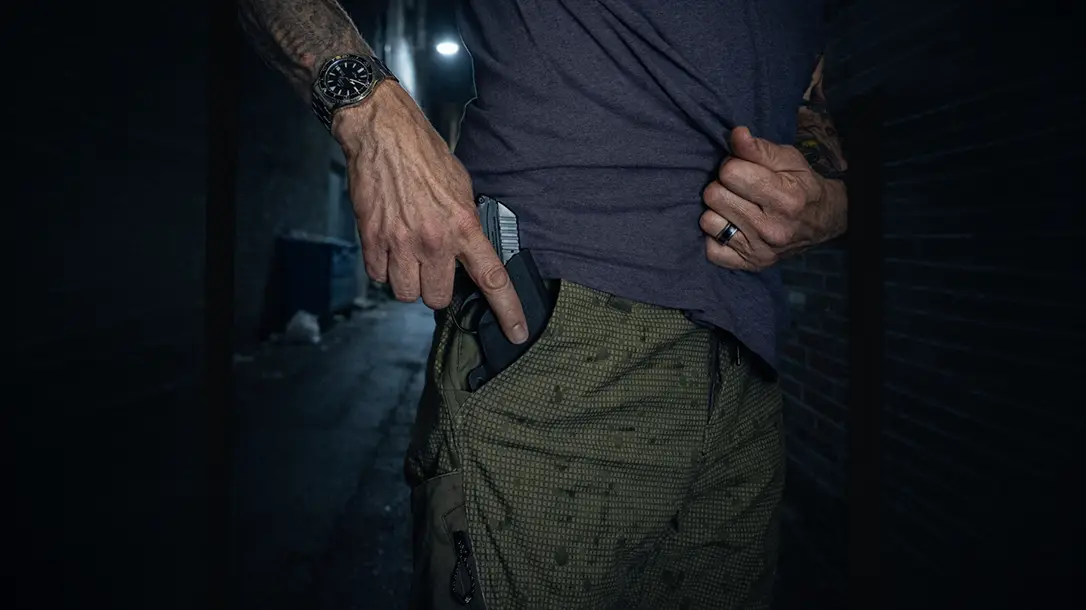
Discussing deep concealment and how to pocket carry is not about convincing you to do it. It’s about understanding why some people choose this method and how to do it safely. Whether you love pocket carry or think it’s a bad idea, people will continue to do it. The real question is whether they’re doing it correctly.
What Is Pocket Carry?
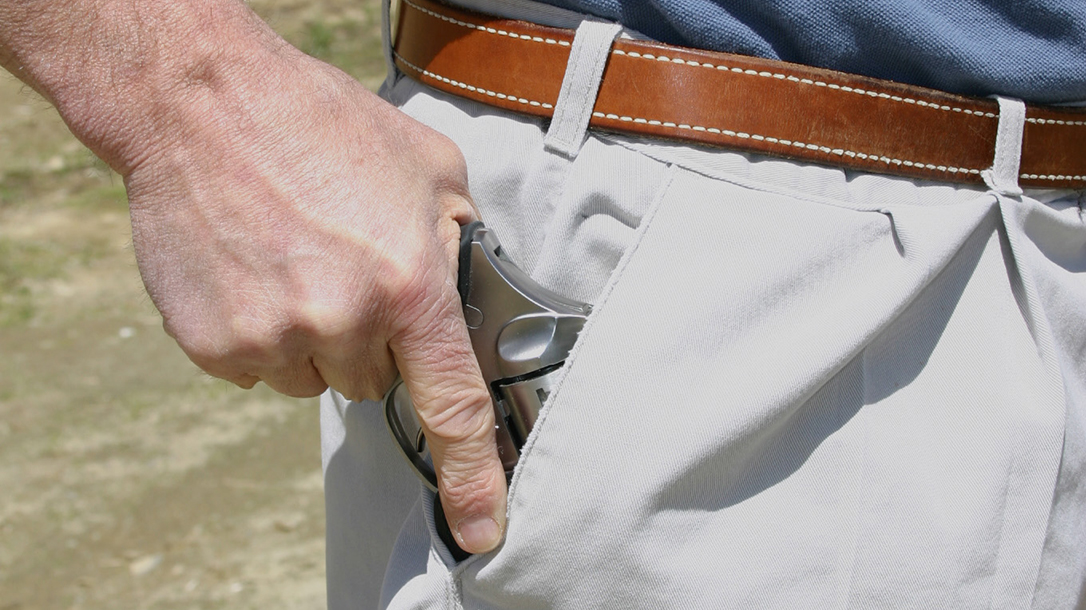
Pocket carry is exactly what it sounds like. A handgun is carried inside a pocket using a holster designed specifically for that purpose. Most pocket-carried firearms are compact revolvers or small semi-automatic pistols that can be concealed without creating an obvious outline.
Advertisement — Continue Reading Below
The goal is deep concealment. In many cases, pocket carry allows someone to discreetly carry a firearm when belt carry may be difficult, uncomfortable, or impossible. It is often chosen by people who work in professional environments, wear lightweight clothing, or need a carry option that remains extremely discreet.
Pocket carry is not simply dropping a handgun into a pocket and walking out the door. When done properly, it requires the right firearm, the right holster, appropriate clothing, and dedicated practice.
Why People Choose Pocket Carry
Advertisement — Continue Reading Below
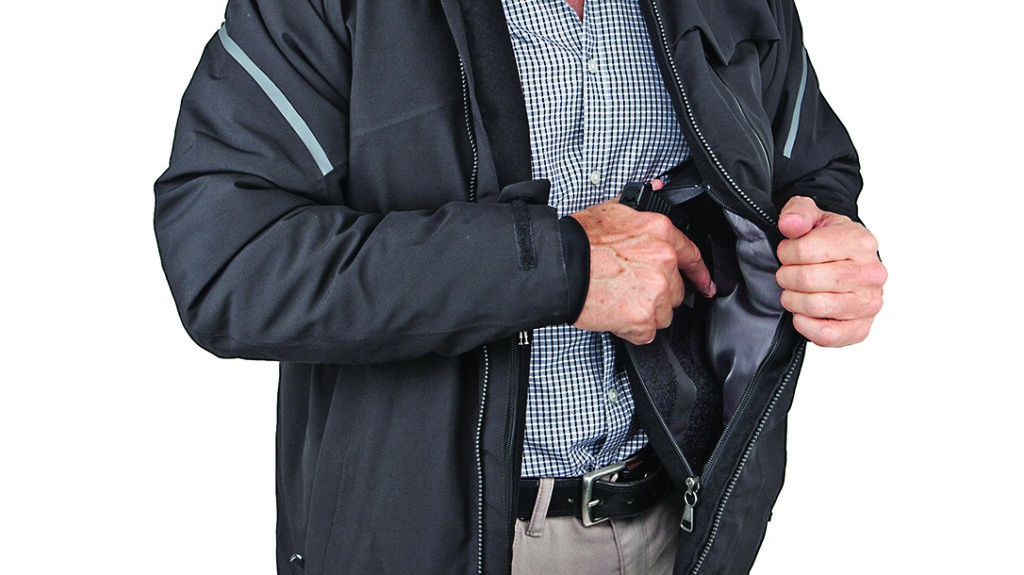
While deep concealment is the most common, pocket carry shines in a backup-gun role. Many armed citizens and law enforcement officers have long relied on small revolvers or compact pistols carried in a pocket as a secondary firearm. This provides access to a weapon if the primary gun becomes unavailable or if one hand is occupied. Carrying a backup gun in the support-side pocket can create additional options during a defensive encounter. While not everyone needs a second firearm, pocket carry remains one of the most practical methods for those who choose to carry one.
For others, pocket carry may simply be the only realistic option. Physical limitations, work attire, body type, or daily activities may make traditional waistband carry difficult. The best carry method is often the one that a person can realistically maintain every day. The key is being honest about your situation. Carrying a smaller firearm in your pocket is far better than leaving a larger firearm at home. However, that decision should be made thoughtfully and not solely for convenience.
Understanding the Limitations
Advertisement — Continue Reading Below
Pocket carry offers advantages, but it also comes with limitations that should not be ignored. Access can be slower than a quality belt-mounted holster. Drawing while seated can be difficult. Accessing a pocket gun inside a vehicle can be particularly challenging, depending on clothing and pocket design.
Pocket carry also limits firearm size. Smaller guns are easier to conceal but are often harder to shoot well. Reduced capacity, shorter sight radius, and increased recoil can all affect performance. None of these factors automatically disqualifies pocket carry. They simply need to be weighed honestly when deciding whether this method is appropriate for your needs.
Trigger Guard Protection Is Non-Negotiable
Advertisement — Continue Reading Below
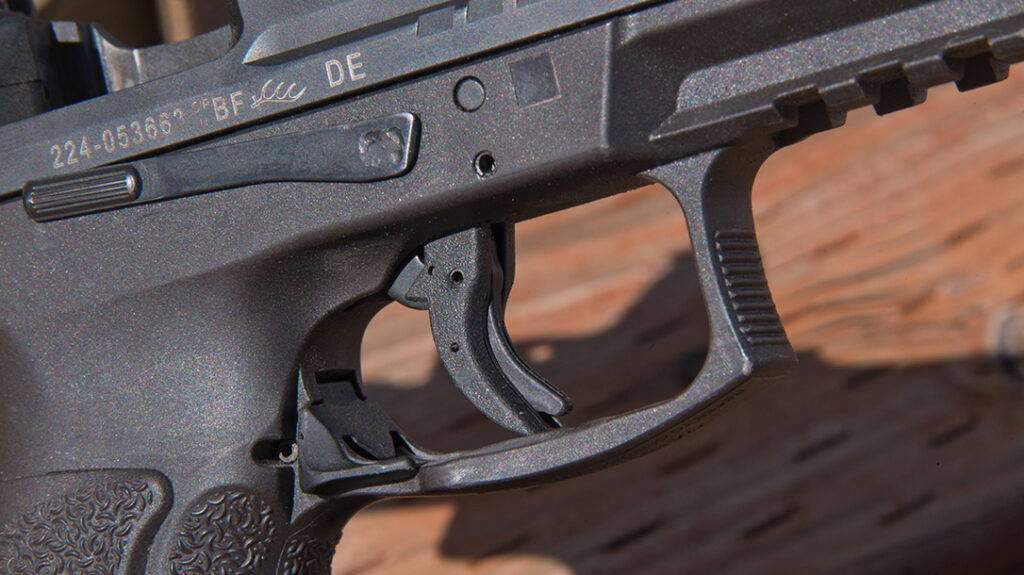
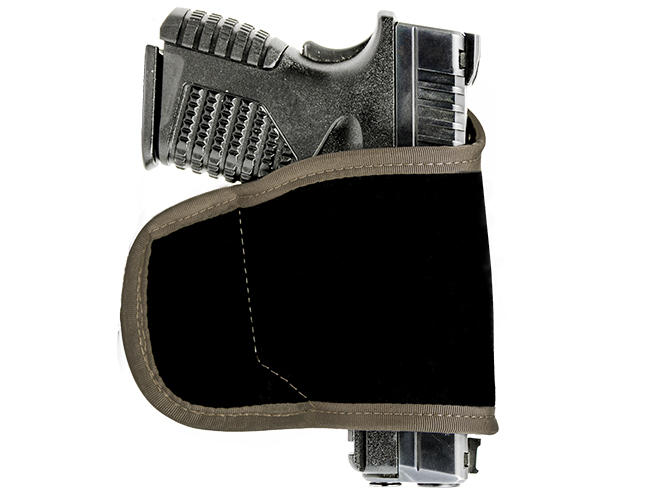
If there is one rule that matters above all others when discussing pocket carry, it is trigger guard protection. A handgun should never be carried loose inside a pocket. Your pocket holster must completely cover the trigger guard and prevent anything from entering the trigger area. This is one of the most important safety considerations in all of concealed carry.
The carry pocket should never contain anything other than your holstered gun. Nothing else belongs in that pocket. When people get careless with pocket carry, safety problems follow. The solution is simple. Use a quality holster and dedicate that pocket exclusively to your firearm.
Choosing the Right Pocket Holster
Advertisement — Continue Reading Below
A good pocket holster should fully protect the trigger guard, maintain a consistent orientation in the pocket, and remain there during the draw. Many of the best pocket holsters feature textured exteriors that help anchor the holster in place. Others use a square profile to help conceal the firearm’s outline.
The holster should also allow you to establish a full firing grip before the gun leaves the pocket. If you must adjust your grip after drawing, you are already losing valuable time. Before carrying any setup, spend time practicing with an unloaded firearm to ensure the holster performs exactly as intended.
Maintenance and Training Matter
Pockets are surprisingly dirty places. Lint, dust, dirt, and debris constantly accumulate inside pockets. Over time, much of that material ends up on the firearm. Pay special attention frequently to the sights, action, magazine well, and muzzle area. A reliable firearm requires consistent maintenance, especially when carried in an environment that naturally collects debris.
Advertisement — Continue Reading Below
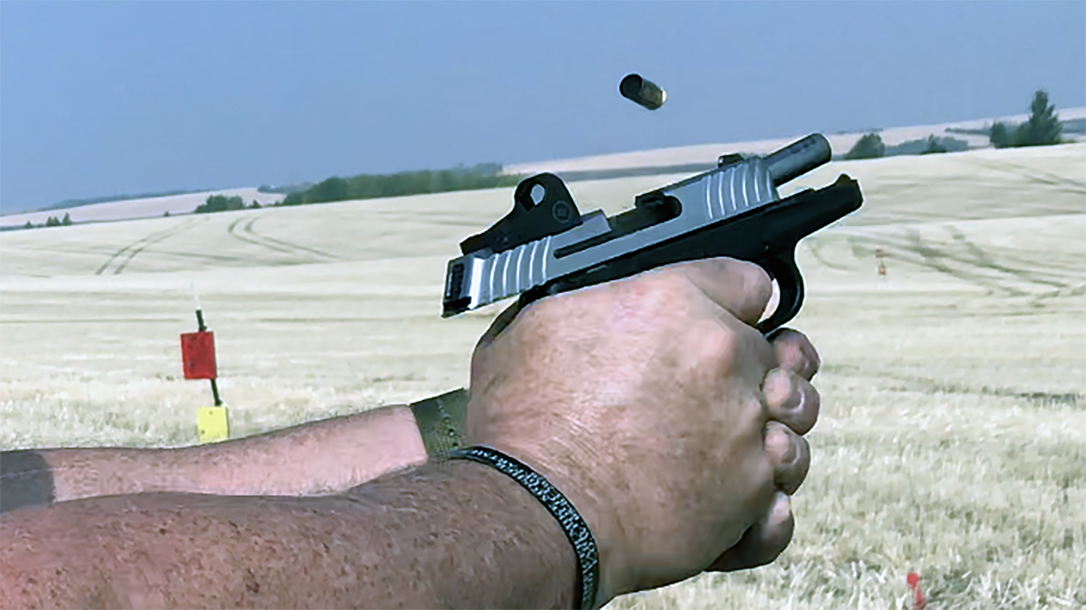
No carry method works without training. If you choose pocket carry, practice drawing from your pocket. Many people become proficient in a square range but never practice accessing their firearm from their actual carry position. Defensive encounters rarely happen under ideal conditions. The more familiar you become with your carry method, the more efficient and confident you will be when it matters most.
Final Thoughts
Pocket carry is neither the best carry method nor the worst. It is simply another tool available to those who carry concealed. For some people, it offers outstanding deep concealment. For others, it provides an effective backup gun option. In some situations, it may be the only realistic way to remain armed consistently.
The key is understanding the strengths and limitations of the method. Choose quality equipment. Prioritize trigger guard protection. Train with your carry setup. Maintain your firearm. Most importantly, be realistic about your circumstances and your abilities. Deep Concealment: Shedding Light on Pocket Carry is ultimately about finding what works for your lifestyle while maintaining the safety, responsibility, and preparedness that concealed carry demands