


One of the greatest parts of spending time outdoors is sharing wild places with wildlife. Watching a black bear cross a logging road, spotting a fox at sunrise, or hearing coyotes call after dark are experiences that keep many of us coming back to the woods.
Despite the joy of these encounters, animal bites remain a real risk. While most wild animals avoid people whenever possible, they will defend themselves if they feel threatened, cornered, or are protecting their young. Domestic animals can pose a danger too, especially if they’re frightened or injured.
Knowing how to avoid an encounter, and how to respond if one happens, can make all the difference.
Advertisement — Continue Reading Below
Prevention Is Always Your Best Defense
Most animal bites are preventable. Wild animals generally want nothing to do with humans. Making your presence known while hiking or moving through thick cover often gives wildlife plenty of time to leave the area before you ever see it. Talking with your hunting partner, clapping or singing on a trail, or simply making normal hiking noise can prevent surprise encounters.
The same principle applies around camp. Properly storing food and keeping campsites clean reduces the chance of attracting wildlife looking for an easy meal.
Perhaps the most important rule is this: never approach or attempt to handle a wild animal.
Advertisement — Continue Reading Below
Even animals that appear calm can react aggressively if they feel threatened. Young animals deserve even more caution. A fawn, bear cub, or baby raccoon may look abandoned, but a protective mother is often nearby. Getting too close can quickly turn a peaceful wildlife sighting into a dangerous encounter.
Not Every Animal Bite Happens in the Woods
When people think of animal bites, bears, coyotes, or snakes usually come to mind.
Advertisement — Continue Reading Below
In reality, dogs account for the overwhelming majority of animal bites in the United States, with cats ranking second. Whether the bite comes from a pet, a stray dog, or a wild animal, identifying what caused the injury is important. Different animals carry different disease risks, and the type of wound often determines the best course of treatment.

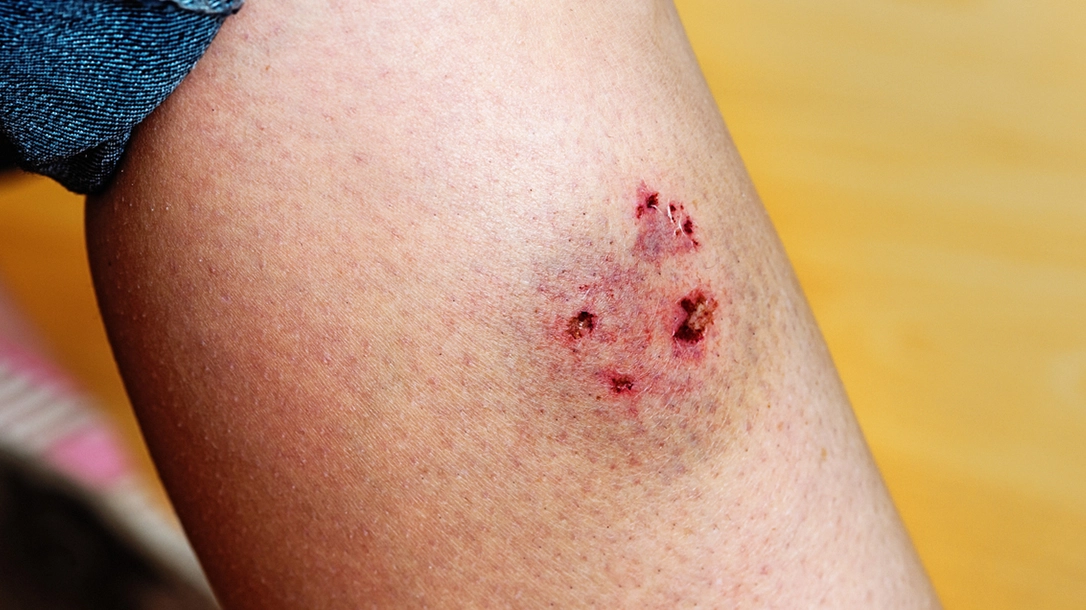
Small animals such as squirrels, rodents, rabbits, and cats typically leave deep puncture wounds created by sharp teeth. Larger animals may produce both puncture wounds and crushing injuries capable of damaging muscles, tendons, and even bone.
Advertisement — Continue Reading Below
Stop the Bleeding
If you’ve been bitten, your first priority is controlling the bleeding. Apply firm pressure using a clean cloth, gauze, or bandage. If possible, elevate the injured limb above the level of your heart to help slow blood loss. Many minor wounds stop bleeding after approximately 10 to 15 minutes of continuous pressure.
Large lacerations or wounds with uncontrolled bleeding require immediate medical attention. While severe injuries sometimes need stitches or other advanced care, it’s generally better to leave heavily contaminated bite wounds open until they can be properly evaluated by a medical professional.
Clean the Wound
Once bleeding is controlled, preventing infection becomes your biggest concern. Animal mouths naturally contain bacteria. Despite the old myth that a dog’s mouth is somehow “cleaner” than a human’s, both domestic and wild animals can introduce harmful bacteria into a bite wound. Wildlife routinely encounters carcasses, waste, and contaminated environments, all of which can transfer bacteria through a single bite.
Advertisement — Continue Reading Below
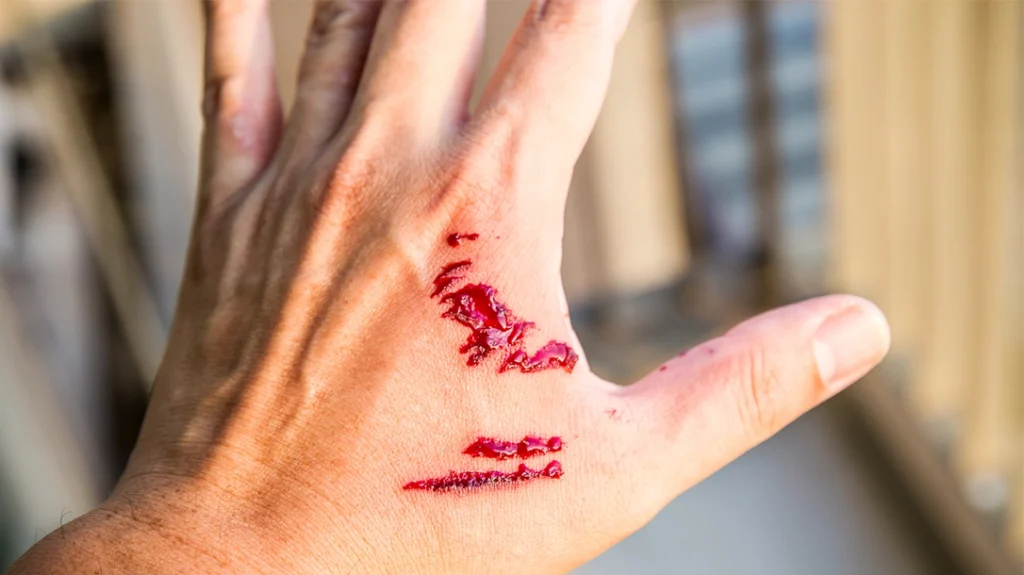
Thoroughly wash the wound with soap and clean running water. After cleaning, disinfect the area if antiseptics such as iodine solution, alcohol wipes, or hand sanitizer are available. Apply an antibiotic ointment, cover the wound with a sterile bandage, and change the dressing daily.
Watch for warning signs of infection, such as redness, swelling, warmth around the wound, drainage, fever and/or increasing pain.
Advertisement — Continue Reading Below
Hand Injuries Require Extra Attention
Bites to the hands deserve special consideration. The hand contains numerous tendons, joints, and enclosed spaces where bacteria can spread quickly. Even what appears to be a small puncture wound can develop into a serious infection if bacteria become trapped beneath the skin.
If you suffer a bite to the hand, especially from a cat or other animal with narrow, penetrating teeth, don’t ignore it. Early medical treatment can prevent permanent damage and preserve hand function.
Watch for Tetanus
One of the most serious bacterial infections associated with animal bites is tetanus. Tetanus bacteria produce a toxin that attacks the nervous system, causing painful muscle stiffness and spasms. One of the earliest symptoms often affects the jaw muscles, which is why the disease earned the nickname “lockjaw.” In severe cases, tetanus can interfere with breathing and become life-threatening.
The good news is that tetanus is almost entirely preventable through vaccination. Most people receive protection as part of their childhood immunizations, but immunity doesn’t last forever. Adults should receive a tetanus booster every 10 years, or sooner if recommended after certain types of injuries.
If you’re unsure when your last booster was, an animal bite is a good reminder to check your vaccination records.
Rabies: Rare But Real
Few diseases associated with animal bites are as serious as rabies. Rabies is a viral infection that attacks the central nervous system and is almost always fatal once symptoms begin. Fortunately, prompt medical treatment after exposure is extremely effective, which is why every potential rabies exposure should be taken seriously.
Although many people associate rabies with aggressive dogs, bats are responsible for most human rabies cases in the United States. Other wildlife capable of carrying the virus include bats, raccoons, fox, and more.
If you’re bitten by any wild mammal behaving unusually, seek medical attention immediately, even if the bite seems minor. Healthcare providers and local public health officials will determine whether post-exposure treatment is necessary.
Rabies treatment typically includes rabies immune globulin administered near the wound, followed by a series of vaccinations over the next two weeks.
Snakebites
Snakebites deserve their own category because venom introduces an entirely different set of risks. The United States is home to four groups of venomous snakes, including rattlesnakes, copperheads, cottonmouths (water moccasins), and coral snakes.
Depending on where you hunt, hike, or camp, at least one venomous species may live nearby. Learning to identify the snakes found in your area is an important part of outdoor preparedness.
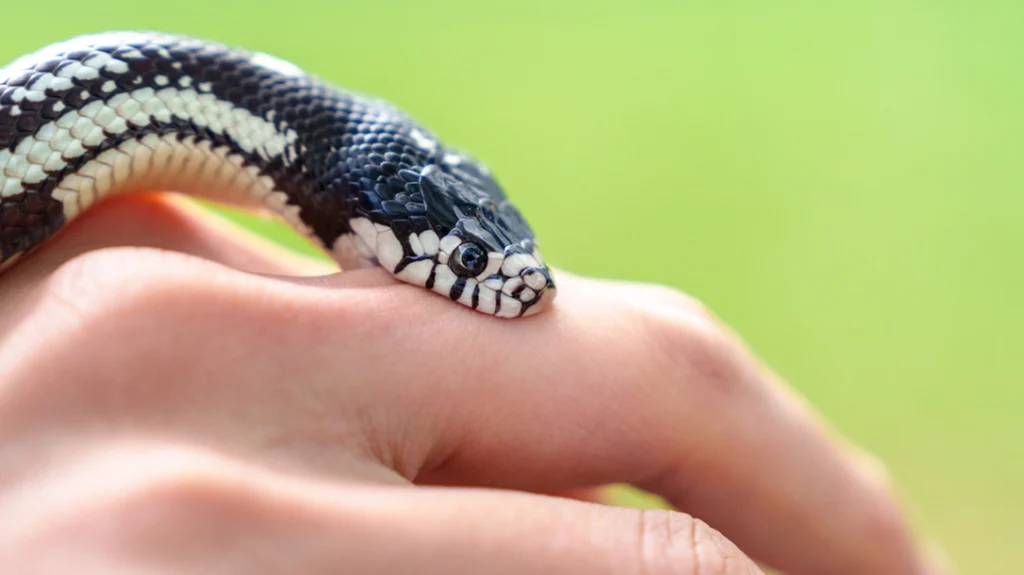
If you’re bitten by a snake, begin by treating the wound like any other bite. Gently wash the area if possible, and remove rings, watches, or tight-fitting jewelry before swelling begins.
Then focus on staying as calm as possible. The faster your heart rate climbs, the faster venom can circulate throughout the body. Seek medical care.
The Final Bite
Animal bites are relatively uncommon compared to the number of people who enjoy the outdoors every year, but they’re serious enough that every hunter, angler, hiker, and camper should know how to respond.
The best strategy is always prevention. Stay aware of your surroundings, respect wildlife, and avoid situations that could lead to an animal feeling threatened. If a bite does occur, controlling bleeding, thoroughly cleaning the wound, and seeking appropriate medical care can dramatically reduce the risk of infection or other complications.
WHY OUR ARTICLES/REVIEWS DO NOT HAVE AFFILIATE LINKS
Affiliate links create a financial incentive for writers to promote certain products, which can lead to biased recommendations. This blurs the line between genuine advice and marketing, reducing trust in the content.