


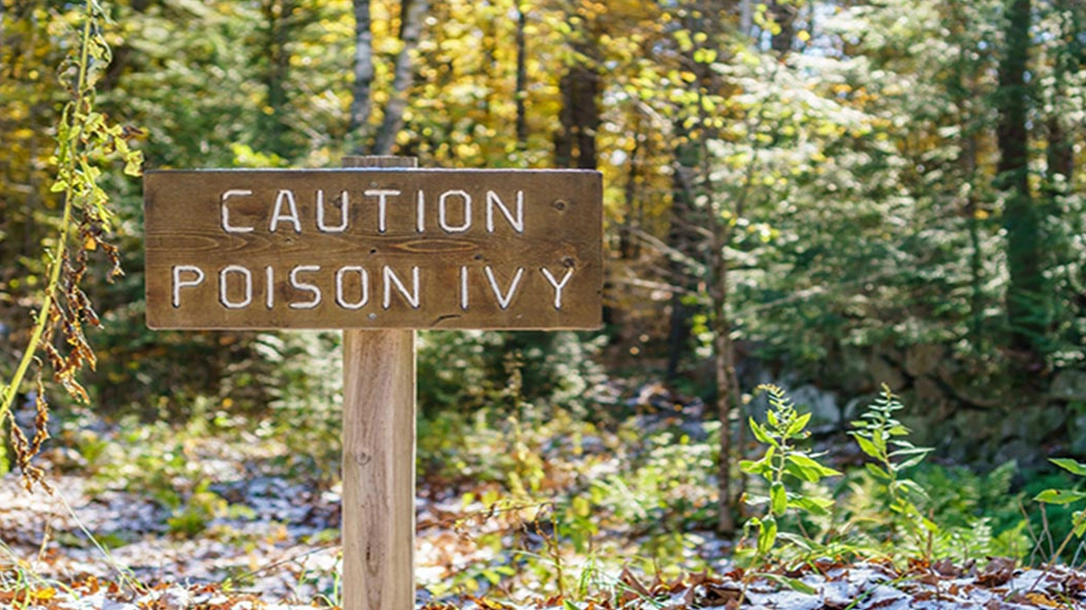
Whether you’re hiking, hunting, fishing, camping, or simply working in the yard, sooner or later you’re likely to cross paths with poison ivy, poison oak, or poison sumac. The rash these plants cause looks nearly identical. That’s because all three plants contain the same irritating oil: urushiol.
Urushiol is the natural defense mechanism these plants use to discourage animals from eating them. Anyone that touches it can get an itchy, blistering rash, even pets.
While there are treatments that can help relieve the symptoms, prevention is by far the best medicine. Learning to recognize these plants and understanding where they grow can help you avoid weeks of miserable itching.
Advertisement — Continue Reading Below
Poison Ivy
Poison ivy is by far the most common and recognizable of the three plants. Most people have heard the saying, “Leaves of three, let it be,” but that rhyme only tells part of the story.
Many harmless plants, including wild strawberries, raspberries, and trillium, also grow in groups of three leaves. To accurately identify poison ivy, pay close attention to the shape of the leaflets. The center leaflet is typically larger than the two side leaflets, and the leaves often resemble a mitten, with one edge smooth and the other more noticeably serrated.
Advertisement — Continue Reading Below
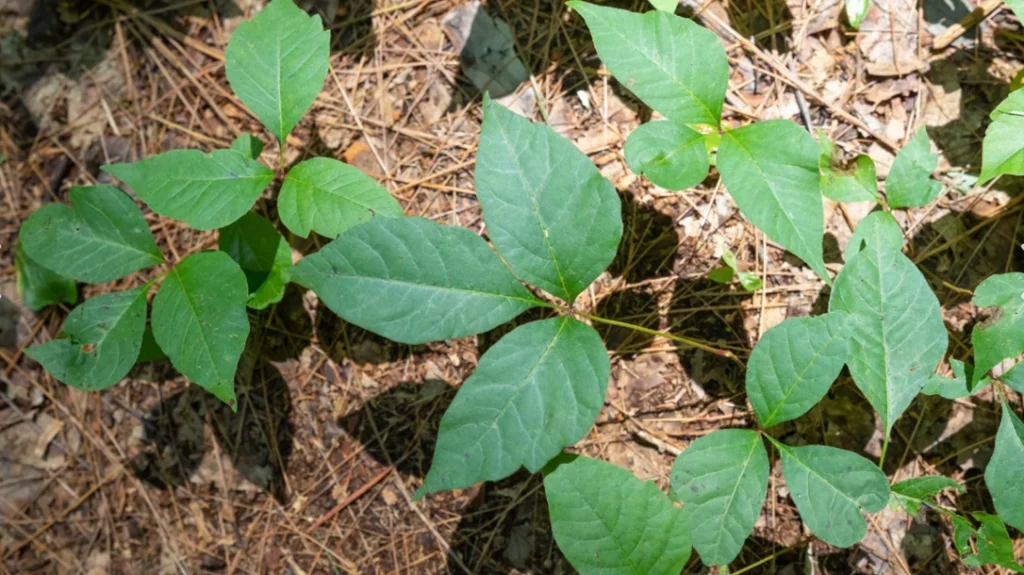
One of the biggest mistakes people make is assuming poison ivy is only dangerous when it’s green. In reality, the plant contains urushiol year-round.
In the spring, new leaves often appear reddish-brown with a glossy, almost waxy appearance. During summer they’re bright green, while fall brings brilliant shades of orange, yellow, and red before the leaves drop. Even after the leaves are gone, the bare stems and vines remain capable of causing a rash.
Advertisement — Continue Reading Below
Poison ivy commonly grows along woodland edges, fence lines, roadsides, trails, and the transition zones between forests and open fields.
Poison Oak
Poison oak is closely related to poison ivy and shares many of the same characteristics.
Like poison ivy, it typically grows leaves in clusters of three. The difference is that poison oak’s leaves are more deeply lobed, resembling the leaves of an oak tree. The leaflets alternate along the stem and often turn reddish-brown during portions of the growing season.
Advertisement — Continue Reading Below
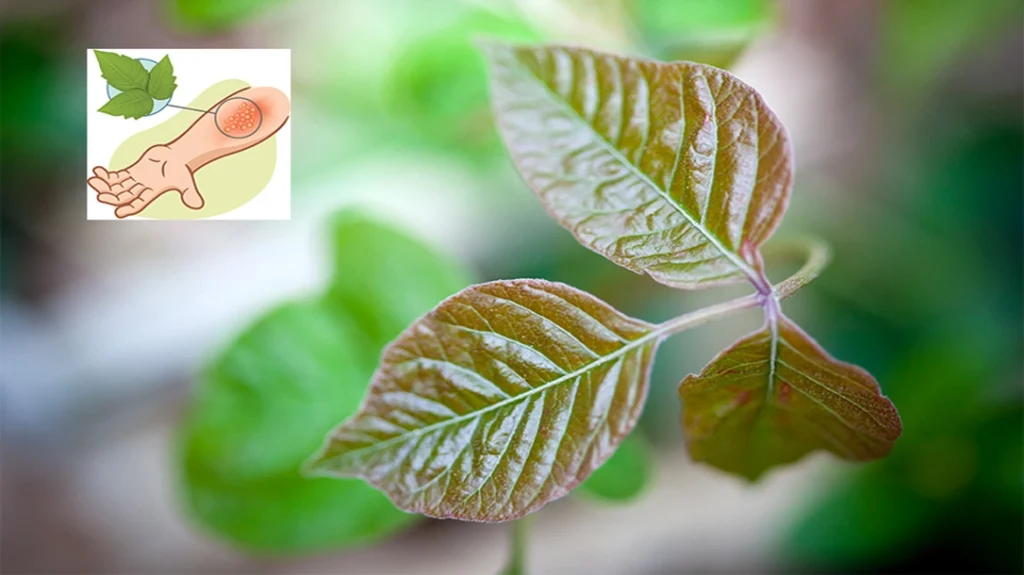
Despite its name, poison oak is not related to oak trees. It may grow as a small shrub or as a climbing vine, depending on the region. It occurs on both the East Coast (Atlantic poison oak) and West Coast (Pacific poison oak), generally at lower elevations.
Both poison ivy and poison oak produce berries, but their color differs slightly. Poison ivy berries are typically white, while poison oak berries are tan to light brown.
Advertisement — Continue Reading Below
Poison Sumac
Poison sumac is the least common, and often the least recognized, of the three plants. Unlike poison ivy and poison oak, poison sumac doesn’t follow the “leaves of three” rule. Instead, each stem typically supports seven to thirteen smooth, oval-shaped leaflets attached to a distinctive reddish stem.
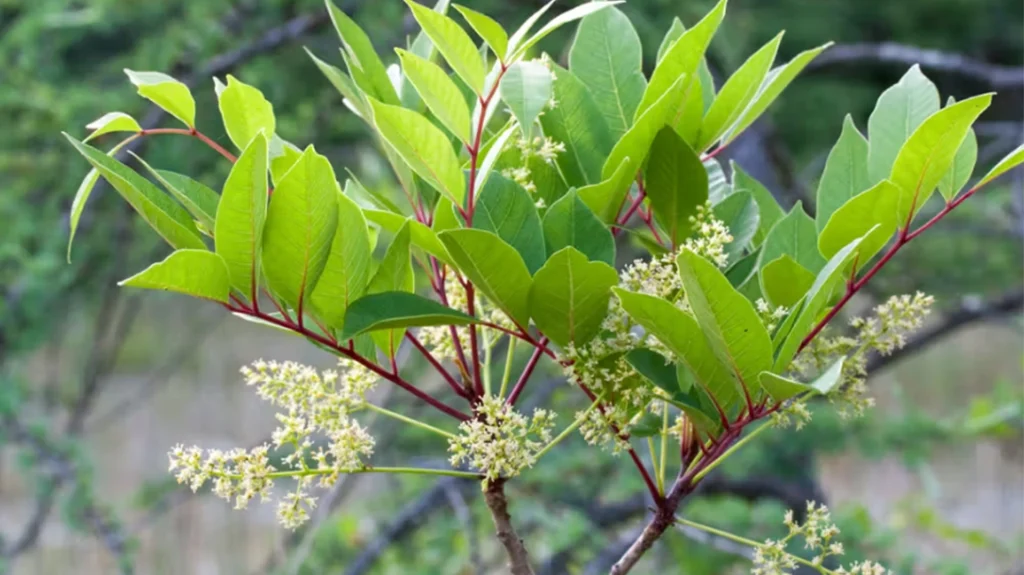
The plant grows primarily in swampy areas, bogs, marshes, and other wet environments.
Advertisement — Continue Reading Below
Poison sumac can grow into a large shrub or even a small tree reaching heights of 20 feet. Like poison ivy and poison oak, young leaves often have a reddish tint, and mature plants produce clusters of pale, waxy berries.
If you spend time exploring wetlands or harvesting wild foods in swampy habitats, poison sumac is a plant you’ll want to recognize and avoid.
How Urushiol Spreads
Urushiol is remarkably persistent. The oil can remain active on dead plants, tools, clothing, boots, backpacks, and other surfaces for up to five years if it isn’t properly cleaned away.
It’s important to understand that you cannot catch a poison ivy rash from another person’s rash. The rash itself is not contagious. However, you can develop a rash by touching clothing, gear, pet fur, or other objects that still have urushiol on them.
Pets frequently transfer the oil after running through brush, even if they don’t develop symptoms themselves.
One of the most dangerous forms of exposure occurs when poison ivy, poison oak, or poison sumac is burned. Burning the plants releases urushiol particles into the air, where they can be inhaled. Exposure inside the mouth, throat, or lungs can cause a severe medical emergency that requires immediate treatment.
What to Do After Exposure
No matter how good you become at identifying these plants, accidental exposure still happens. You may brush against a hidden vine while hiking, grab contaminated firewood, or unknowingly touch gear that still has urushiol on it.
For people who are allergic, exposure typically results in redness, intense itching, swelling, raised bumps and/or blisters. The sooner you remove the oil from your skin, the better. Wash the affected area as quickly as possible with soap and cool water. Specialized poison plant cleansers can also help remove urushiol before it fully bonds to the skin.
Once the rash develops, treatment focuses on relieving symptoms rather than curing the reaction. Common remedies include calamine lotion, hydrocortisone cream, oatmeal baths, cool compresses, and oral antihistamines to help relieve itching.
Some people also use rubbing alcohol immediately after exposure to help remove surface oils or the juice from jewelweed plants as a traditional remedy, although scientific evidence supporting jewelweed’s effectiveness is limited.
Prevention Is Your Best Defense
The most effective way to avoid poison ivy, poison oak, and poison sumac is learning to recognize them before you come into contact with them.
Pay attention to the plants growing along trails, around campsites, and near your hunting stand or fishing hole. Wear long sleeves and pants when traveling through dense vegetation, wash exposed skin promptly after spending time outdoors, and clean any gear that may have contacted the plants.
A few minutes spent learning these poisonous plants can save you weeks of itching, and keep your next outdoor adventure focused on the experience rather than the rash.