


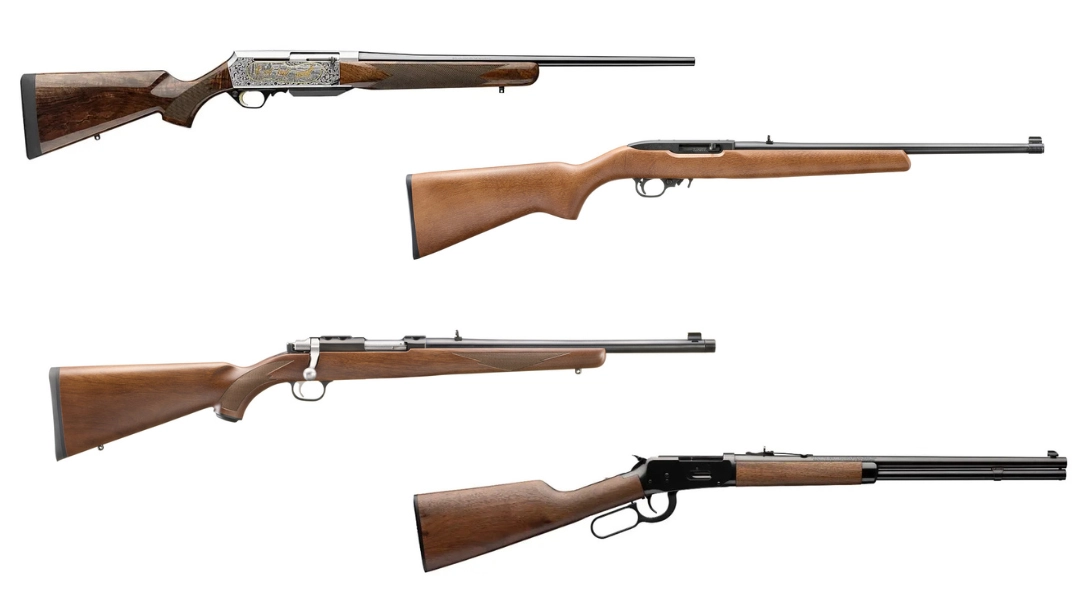
If you’re new to rifles, the variety of actions and designs can seem overwhelming. While some rifle types have faded into history, many classic actions are still widely used today. Each has its own strengths, history, and purpose.
Here’s a look at the most common rifle types you’re likely to encounter.
Single-Shot Rifles
Single-shot rifles hold only one cartridge at a time, requiring the shooter to manually reload after every shot. Their simplicity makes them reliable, durable, and an excellent choice for beginners.
Advertisement — Continue Reading Below
Break-Open Rifles
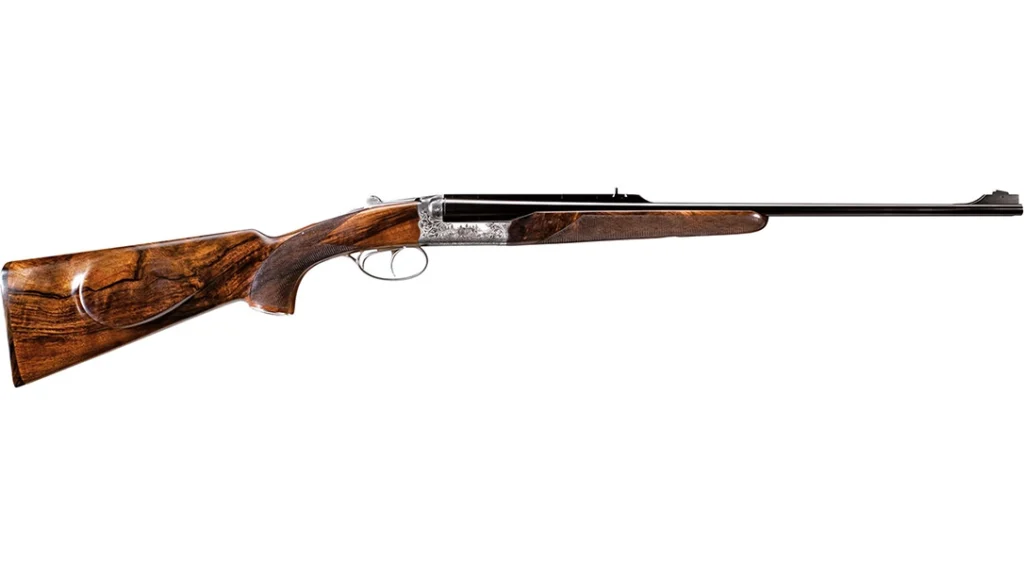
Many shooters learn on a break-open rifle. These firearms feature a locking block that secures the barrel to the receiver. To load or unload the rifle, the shooter operates a lever, or, on some models, the trigger guard itself, which unlocks the action and allows the barrel to pivot downward.
The simple design is extremely strong and has long made break-open rifles popular among young and novice shooters. One of the best-known examples is the Thompson/Center Encore.
Advertisement — Continue Reading Below
Break-open actions aren’t limited to single-barrel rifles. They’re also commonly found on double rifles, which became famous through legendary African big-game hunters such as Ernest Hemingway, Harry Selby, Robert Ruark, and Peter Capstick.
Falling Block Rifles
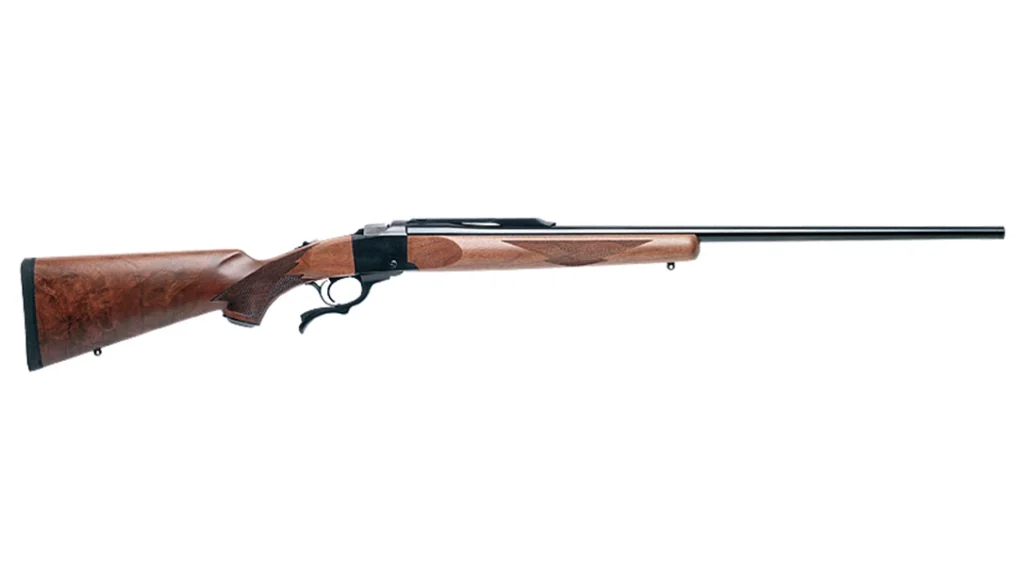
A falling block rifle uses a solid steel block that slides vertically in grooves machined into the receiver. Operating the lever lowers the block, opening the breech so a cartridge can be inserted. Closing the lever raises the block into battery, meaning the rifle is loaded and ready to fire.
Advertisement — Continue Reading Below
Many falling block rifles feature an exposed hammer. Two of the most sought-after examples are the Winchester High Wall and the Ruger No. 1.
Rolling Block Rifles
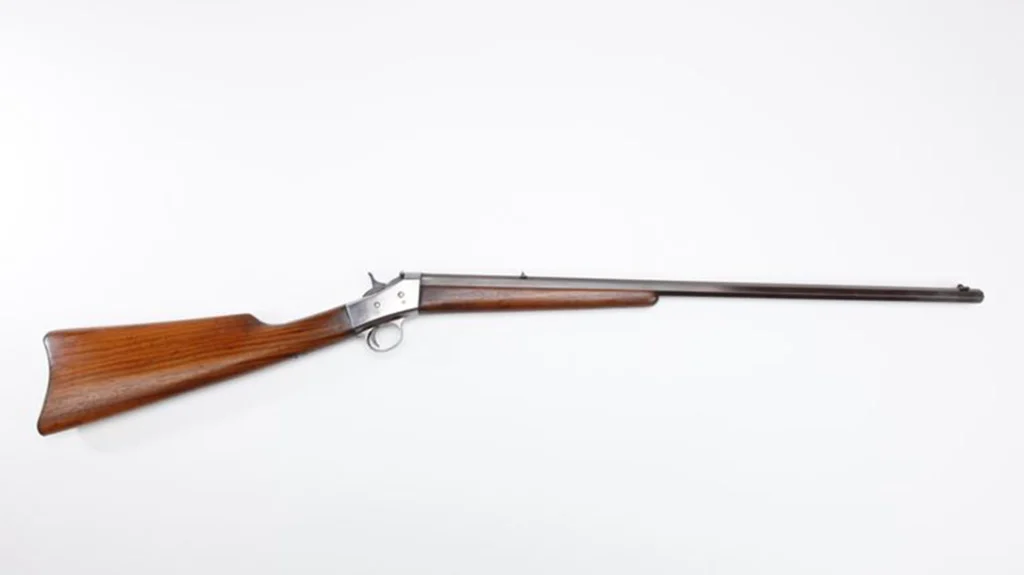
The rolling block action uses a breech block that pivots on a pin to open and close the action. A small lever attached to the block allows the shooter to rotate it backward for loading and unloading. Once closed, the rifle is ready to fire.
Advertisement — Continue Reading Below
The Remington Rolling Block remains the best-known example of this classic design.
Pump-Action Rifles
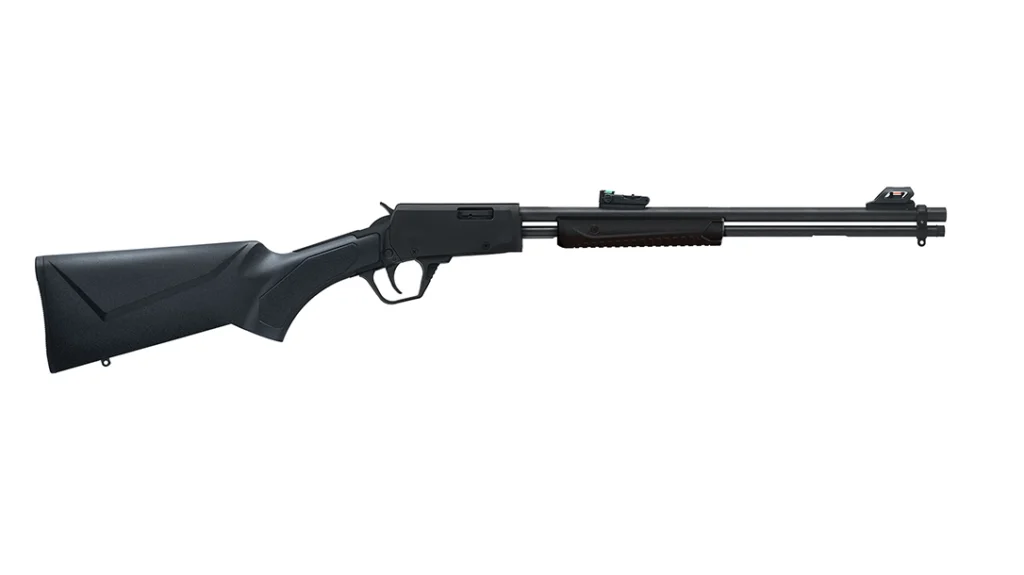
Although they have become less common over the years, pump-action rifles remain reliable and effective firearms.
Advertisement — Continue Reading Below
They operate much like a pump shotgun. After firing, the shooter manually cycles the fore-end rearward, unlocking the bolt, extracting and ejecting the spent case. Pushing the fore-end forward chambers a fresh cartridge from the magazine and locks the bolt for the next shot.
Pump rifles are most commonly found in rimfire models, such as the Winchester Model 61 and Rossi Gallery Rifle, but several centerfire options have also been produced, including the Remington 760 and Browning BPR.
Advertisement — Continue Reading Below
Bolt-Action Rifles
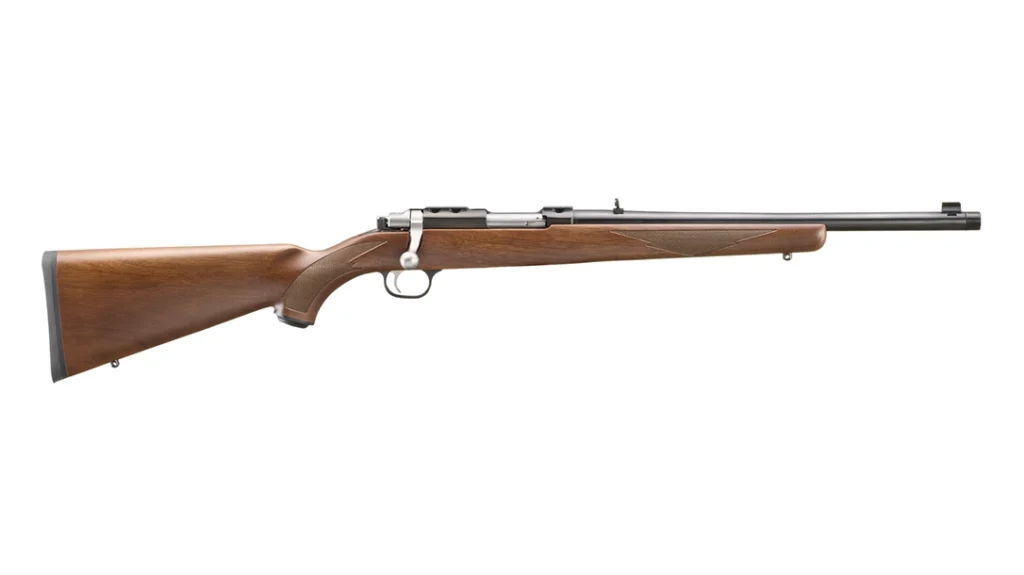
Bolt-action rifles are the most popular rifle type today and have earned a reputation for exceptional accuracy.
While early bolt-action concepts were inspired by simple door bolt latches, German firearms designer Paul Mauser perfected the design. Many modern bolt actions still incorporate features developed by Mauser over a century ago.
The first bolt-action rifle adopted by the U.S. military was the Krag-Jørgensen Model 1892/99. Theodore Roosevelt witnessed the effectiveness of Mauser rifles firsthand while leading the Rough Riders during the Spanish-American War. His experience helped influence the U.S. military’s eventual adoption of modern bolt-action service rifles.
Today, bolt-action rifles remain the most popular hunting rifles sold in the United States. Well-known examples include the Ruger M77, Remington 700, and Mauser 98.
Semi-Automatic (Self-Loading) Rifles
Semi-automatic rifles are nearly as popular as bolt actions, thanks largely to the widespread popularity of the AR-15 platform.
Rather than requiring the shooter to manually cycle the action, semi-automatic rifles use energy generated by firing to chamber the next round automatically. Several operating systems accomplish this.
Blowback
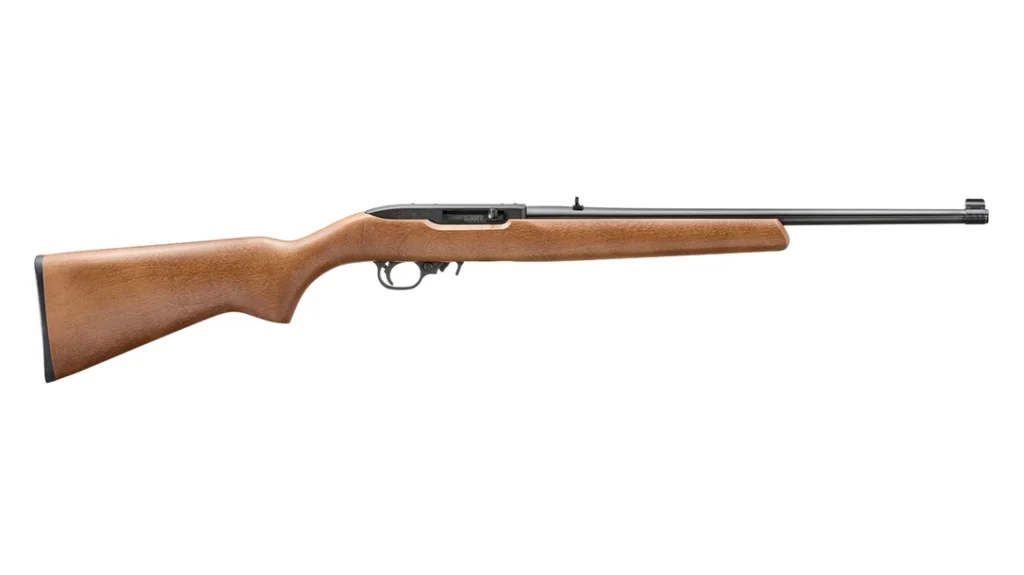
Blowback actions are most commonly found on rimfire rifles, such as the Ruger 10/22.
When fired, expanding gases force the bolt rearward, extracting and ejecting the spent case. A recoil spring then drives the bolt forward, stripping a fresh cartridge from the magazine and chambering it. The entire cycle happens almost instantly.
Direct Impingement
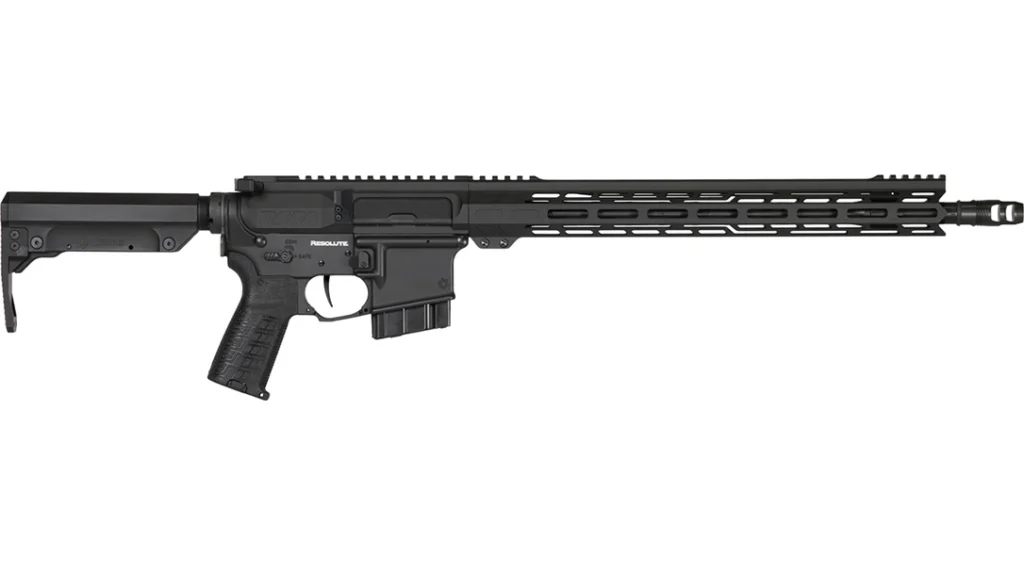
Direct impingement rifles use propellant gases to cycle the action. Gas travels through a tube and directly operates the bolt carrier, forcing it rearward to extract and eject the fired case. A recoil spring then returns the bolt carrier forward, chambering the next cartridge.
The AR-15 is the best-known example of a direct impingement rifle.
Piston-Driven
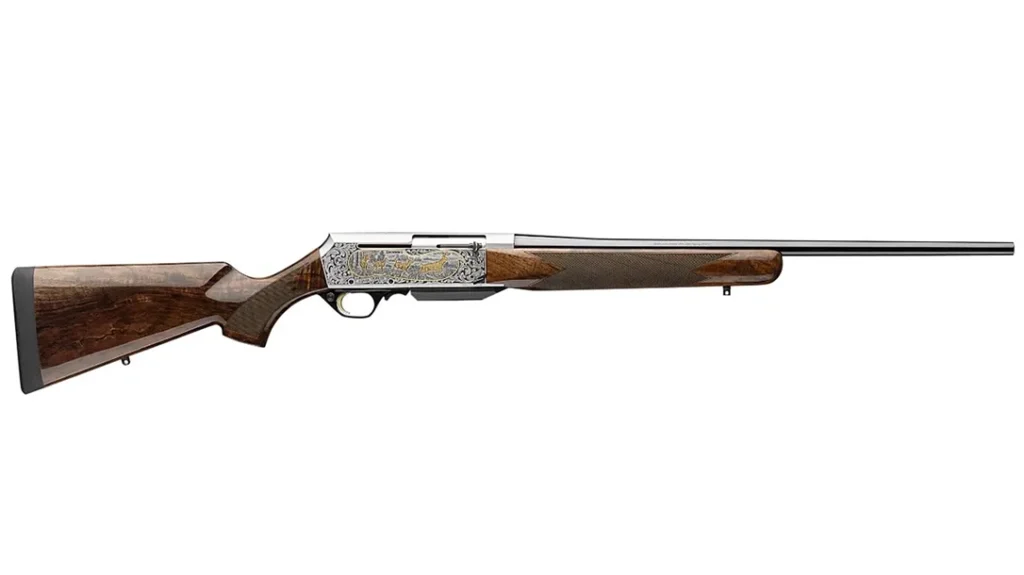
Piston-driven rifles use a piston or operating rod to transfer energy from expanding gases to the bolt carrier.
When fired, gas pushes the piston rearward, cycling the bolt to extract and eject the spent case. The recoil spring then drives the bolt forward, chambering the next round.
Well-known piston-driven rifles include the AK-47, M1 Garand, and Browning BAR sporting rifle.
Lever-Action Rifles
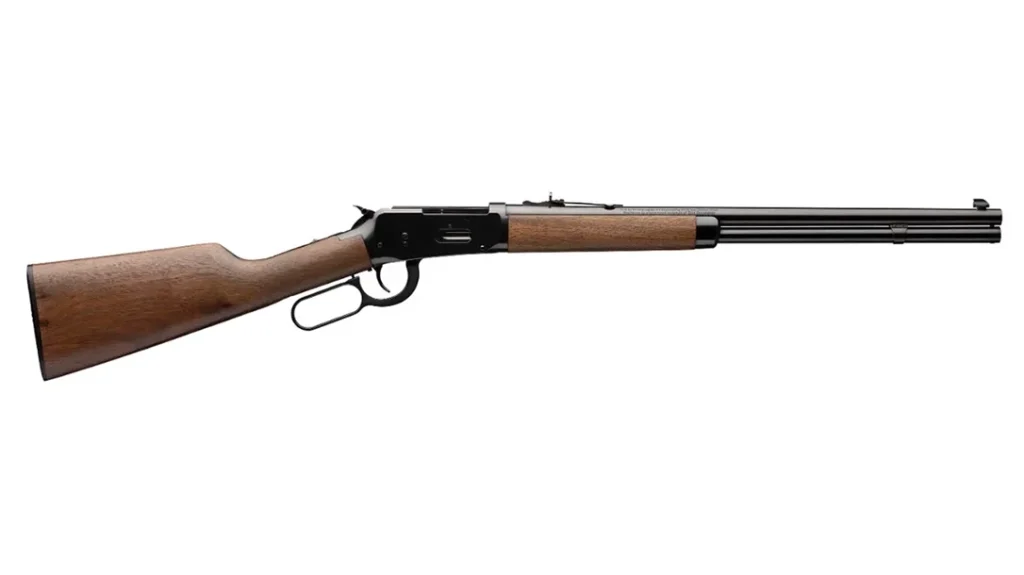
Lever-action rifles have been an American favorite for generations.
Like the falling block design, the bolt rides in machined grooves inside the receiver. After firing, the shooter lowers the lever, moving the bolt rearward to extract and eject the spent case while simultaneously cocking the hammer. Raising the lever pushes the bolt forward, chambering a fresh cartridge.
Many lever-action rifles feature an exposed hammer, such as the Winchester Model 94. Others, including the Savage 99, use an internal hammer design.
Final Thoughts
These are the rifle actions you’re most likely to encounter today. While there are numerous variations and a handful of obscure designs that have largely disappeared over time, each action offers its own advantages and loyal following.
Whether you prefer the simplicity of a single-shot, the precision of a bolt action, the speed of a semi-automatic, or the nostalgia of a lever gun, there’s a rifle action to fit nearly every shooting style and purpose.
WHY OUR ARTICLES/REVIEWS DO NOT HAVE AFFILIATE LINKS
Affiliate links create a financial incentive for writers to promote certain products, which can lead to biased recommendations. This blurs the line between genuine advice and marketing, reducing trust in the content.