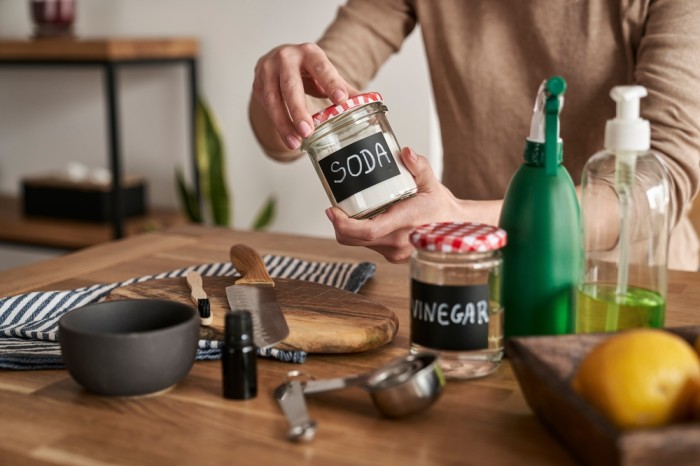
A clean home is easier to defend than a filthy one.
That may sound plain, but it matters. Dirt brings pests. Grease brings smell. Rot spreads. Sickness moves faster where waste, spoiled food, standing water, and grime are allowed to settle. In a long emergency, hygiene is not a luxury. It is one of the quiet lines between order and trouble.
Most modern families depend on store cleaners for that job. They keep bottles under the sink, sprays in the bathroom, wipes in the pantry, and detergents in the laundry room. Those things are convenient, but they also run out.

Long before commercial cleaners, families still scrubbed floors, cleaned tables, washed pots, scoured tools, and kept homes livable. They used sand, ashes, vinegar, hot water, homemade brushes, rags, brooms, and a lot of elbow grease.
Those old methods are worth remembering.
1. Cleanliness Starts With Routine
Traditional cleaning worked because people did not wait until the house was filthy.
A pioneer cabin, Native dwelling, or Amish kitchen could not afford lazy habits. Food scraps had to be dealt with. Floors had to be swept. Ashes had to be managed. Bedding needed airing. Water had to be carried, heated, and used wisely.
That routine mattered more than any cleaner.
The first rule is simple. Remove dirt before it becomes grime. Sweep daily when needed. Wipe spills quickly. Keep food waste covered or carried out. Dry wet surfaces. Let sunlight and fresh air do their work whenever possible.
A home that is cleaned a little every day is far easier to maintain when supplies are tight.
2. Sand Was The Old Scrub Brush
Clean sand was one of the simplest scouring tools available.
On rough wooden floors, porches, outdoor tables, tools, and certain cooking surfaces, sand helped scrape away dirt, grease, and stuck-on material. It gave people abrasion before steel wool and powdered cleansers were common.
A small handful of clean sand, a little water, and a stiff brush can loosen grime from many rugged surfaces. Sand can also help scrub cast iron, garden tools, buckets, and outdoor work areas.
But judgment matters.
Do not use sand on polished wood, glass, delicate tile, soft plastic, painted surfaces, or anything you do not want scratched. Sand cleans by abrasion. That is its strength and its danger.
Used correctly, it is a practical tool. Used carelessly, it can damage a surface fast.
3. Wood Ashes Had Real Cleaning Value
Wood ash was another traditional cleaner, especially where wood heat and cooking fires were part of daily life.
Fine hardwood ash can help cut grease and scrub certain surfaces. Mixed with a little water, it creates a gritty paste that can be used on rugged items such as metal pans, stove parts, tools, and outdoor equipment.
Ash also has a long history in soap making because it can produce lye when water passes through it. That should make a person cautious. Strong ash water can irritate skin and damage surfaces. It should never be treated like harmless dust.
If you use ash for cleaning, use only clean wood ash. Avoid ash from treated lumber, painted wood, charcoal briquettes with additives, trash fires, or unknown materials. Sift it if needed. Wear gloves if your skin is sensitive. Rinse surfaces well afterward.
Ash is useful, but it deserves respect.
4. Vinegar Is Simple And Useful
Vinegar has earned its place in the old cleaning cabinet.
It helps with mineral deposits, mild odors, and some kitchen and bathroom surfaces. A cloth dampened with vinegar can freshen counters, wipe down shelves, clean glass, and help remove hard-water film from faucets or jars.
It is especially useful where alkaline residue is the problem. That is why it helps with some water spots and scale.
But vinegar is not magic.
It should not be used on natural stone such as marble or limestone. It can dull certain finishes and damage some metals if left too long. It should never be mixed with bleach or unknown chemical cleaners. In a modern home, that warning matters because many people still have old bottles of cleaners around.
Plain vinegar, used carefully, is one of the better low-tech cleaning tools a family can keep.
5. Hot Water Still Does Heavy Work
People often underestimate hot water because it seems too simple.
Hot water softens grease, loosens dirt, and makes scrubbing more effective. In a grid-down situation, the ability to heat water for cleaning becomes important. A woodstove, rocket stove, propane camp stove, outdoor fire, or solar water setup can all support basic hygiene if used safely.
For greasy dishes, work surfaces, and wash basins, hot water does much of the first job before anything else is added. Scrape first. Rinse. Wash with the hottest water you can handle safely. Then dry thoroughly.
Drying is part of cleaning. Damp surfaces invite mold, mildew, and odor.
6. Homemade Scrubbing Tools Matter
Traditional cleaning depended heavily on tools.
A stiff broom, hand brush, scraper, rag, mop, bucket, and drying cloth can do more than many people realize. Families used what they had: corn brooms, twig brooms, cloth scraps, wooden scrapers, natural fiber brushes, and worn clothing cut into cleaning rags.
A prepper should keep a simple cleaning kit that does not depend on disposable products.
That means sturdy brushes, extra rags, a scrub board if you can use one, a mop head that can be washed, buckets, clothespins, a good broom, and a few scrapers that will not ruin surfaces. A small supply of plain soap is also worth storing.
The fewer disposable items your cleaning routine requires, the stronger it becomes.
7. Floors Need Different Treatment
Not every floor should be cleaned the same way.
Rough wood, tile, concrete, packed earth, laminate, and modern sealed floors all have different needs. Traditional methods work best when matched to the surface.
A rough outdoor work floor may handle sand and heavy scrubbing. A sealed indoor wood floor may need only sweeping, a damp cloth, and careful drying. Tile can often take vinegar in small amounts, unless it is natural stone. Concrete can handle tougher scrubbing, but it still needs proper drying to prevent odor and mildew.
The old rule is to test first.
Try any traditional cleaner on a small hidden area before using it widely. Scrub gently at first. Watch for discoloration, scratching, dulling, or softening.
Cleaning should preserve the home, not punish it.
8. Kitchens Need The Most Discipline
The kitchen is where cleaning matters most.
Food scraps, grease, crumbs, meat juices, dirty water, and unwashed dishes can turn a home unhealthy quickly. When store cleaners are gone, the kitchen needs routine more than ever.
Scrape plates well. Wash dishes promptly. Keep cutting surfaces clean. Use separate boards or surfaces for raw meat if possible. Rinse cloths and hang them to dry. Do not let greasy rags pile up. Keep food storage shelves wiped, dry, and inspected for pests.
Vinegar can help freshen surfaces, but it does not replace serious sanitation when raw meat or sickness is involved. Boiling water, soap, careful separation, and proper drying all matter.
A clean kitchen protects the whole household.
9. Ash, Vinegar, And Sand Are Tools, Not Toys
Old methods can work, but they require common sense.
Do not mix vinegar with bleach. Do not use ash from dirty fires. Do not scrub delicate surfaces with sand. Do not assume natural means harmless. Many traditional materials are effective because they are strong enough to change, cut, scrape, or react with grime.
That strength deserves caution.
Label what you store. Keep cleaning materials away from children. Wear gloves when needed. Rinse well. Ventilate the room when using vinegar or strong-smelling materials. Keep dirty cleaning water away from wells, springs, and food gardens.
Hygiene includes how you dispose of waste.

10. The Old Lesson Still Holds
Traditional cleaning was not built on fancy products. It was built on steady habits, useful tools, hot water, abrasion, simple acids, and careful attention.
Sand scrubbed. Ash cut grease. Vinegar freshened and helped with mineral buildup. Brushes, rags, brooms, and buckets did the daily work. Sunlight, airflow, and drying kept homes healthier.
A prepared family should know these things before the store shelves go empty.
Commercial cleaners are convenient, and there is nothing wrong with using them while they are available. But the household that can stay clean without them has an advantage.
In hard times, cleanliness is morale. It is health. It is order.
And order is one of the first things a family should fight to keep.