As a Gunsite instructor, I see all kinds of different guns. We get occasional LE professionals with duty guns. However, the vast majority are lawfully armed citizens bringing every conceivable firearm, many of which are unsuitable for that class or their skill level. Some can run anything; most cannot, turning a fun class into a painful ordeal. Almost every class has one or two people suffering through two days before they listen to the instructor and change guns. Don’t be that person.
So, What Is the Best Gun for Training?
Gun choice revolves around many factors. The two most important are the purpose of the class (curriculum) and your ability. Highly experienced shooters can use a greater variety; beginners should keep it simple.
We see 12-pound 20-inch carbines with optics and gadgets galore at Advanced Carbine. This class spends 95% of its time inside 50 yards, mostly closer. It may work, but a 16.5-inch carbine with an RDS will get you the best bang for the buck, especially as a beginner. If you want to maximize your time and money, use something suited for the class and your skill level.
Advertisement — Continue Reading Below
Size Matters
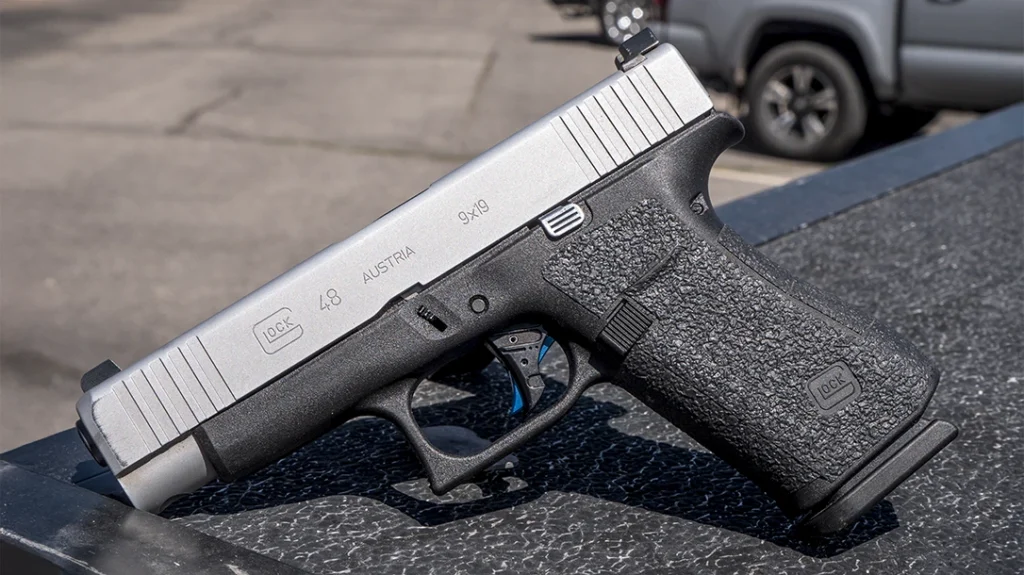
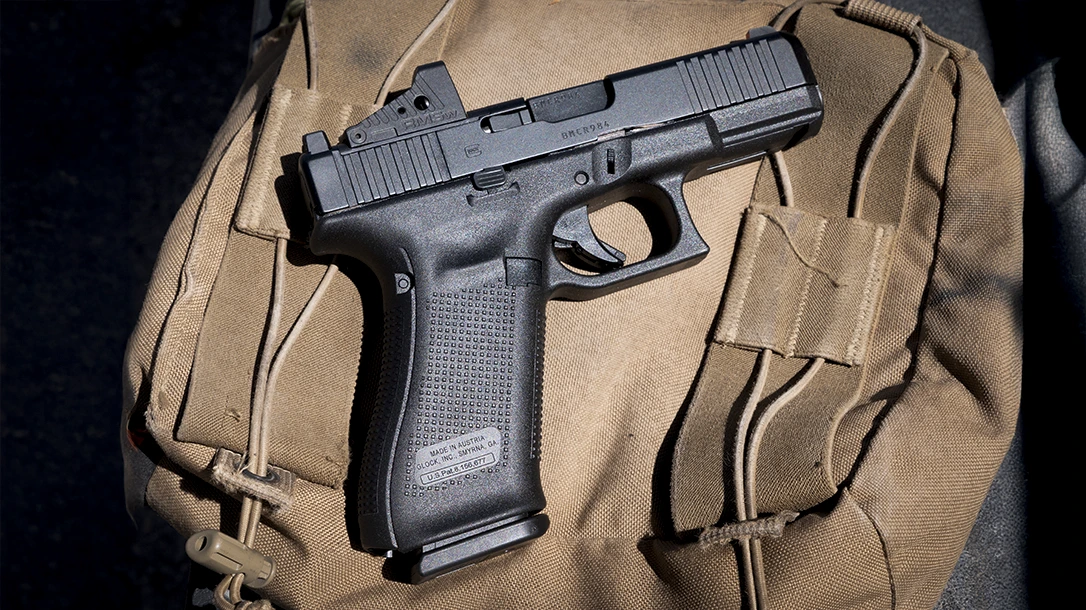
Basic pistol classes revolve around simple manipulations while promoting accuracy. Loading, unloading, presentation, and holstering, along with malfunction drills and proper aiming and trigger manipulation. All are best accomplished with striker-fired pistols using full-sized grips, four-inch barrels, and an RDS (Red Dot Sight). No safeties to manipulate, simple target-focused sighting with a decent trigger and solid gear.
Manipulating the mechanics of the gun, magazines, and presenting and aiming in general is easier. Acquiring a proper grip is often more effective. More importantly, you stay focused on acquiring and honing the basics that will carry over to any other pistol, rather than struggling with unnecessary manipulation.
Advertisement — Continue Reading Below
It’s no different with rifle classes. Beginning classes focus on the same things. Operating controls are similar and can be learned more easily with a six-pound rifle than a twelve-pound version with a scope, suppressor, laser, and other stuff.
During a recent 223 class, a client running a behemoth of an AR could not hold it up after lunch on day one. If you are an experienced “operator” who wants to endure rather than participate, maybe. However, even they tend to run out of gas by day three. It’s so common that I teach a “day four ready position” for people who can’t hold up their rifle anymore.
Advertisement — Continue Reading Below
You are paying a ton of money to learn. Don’t waste it testing your arm strength, just use the correct rifle and enjoy the training.
Caliber is a Thing
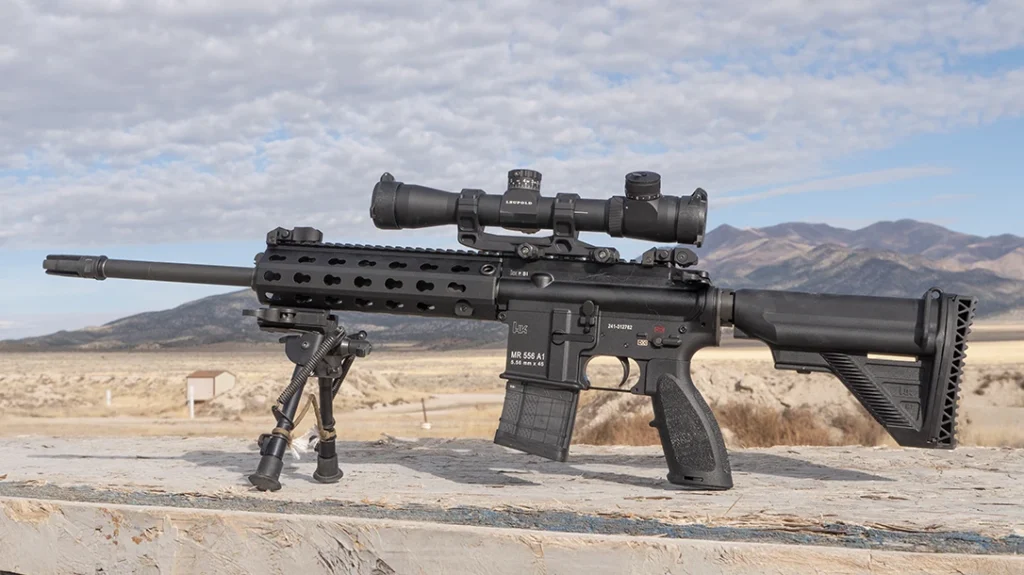
Unless the class is designed for .308 or similar, leave it at home. A carbine class is generally .223/5.56mm or similar, maybe 7.62 or 5.45x 39mm, or even 6.8 SPC. Calibers like .308 are for battle rifle classes, or maybe precision rifle or hunting training. Otherwise, you are doing nothing but irritating everyone around you with blasts and noise while beating your shoulder to death for no reason.
Advertisement — Continue Reading Below
Again, it’s not a testosterone measuring contest. It’s training, and not just for you; these are team events.
Picking the Best Long-Range Gun
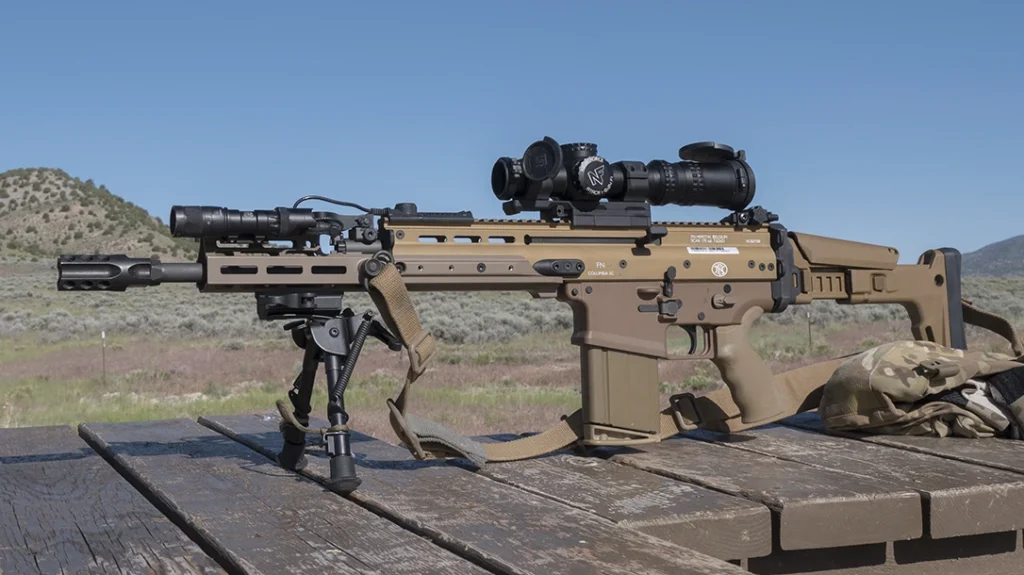
My first non-LE precision rifle class at Thunder Ranch, Texas, 26 years ago, considered 500 yards “long range” and my .308 bolt rifle was fine. Things have changed for sure. However, you still need to use a rifle appropriate for the class’s range. Shooting to 1000 yards with a .308, 6mm, 6.5mm, or similar, will work just fine.
Advertisement — Continue Reading Below
Now, if it starts at 1000 yards, it may be time to drag out the big guns like the 338LM or similar. Just do everyone a favor, if you can: shoot suppressed and leave the flame-throwing noise-makers (brakes) at home. I get it, all the pros run brakes that would work on an Abrams, but they are on their own at most comp stages. Classes are groups with everyone in line.
To be fair, many academies restrict muzzle brakes. However, given how easy it is to get a suppressor these days, consider one for your long-range training. You shoot better and don’t irritate everyone around you.
Other Considerations
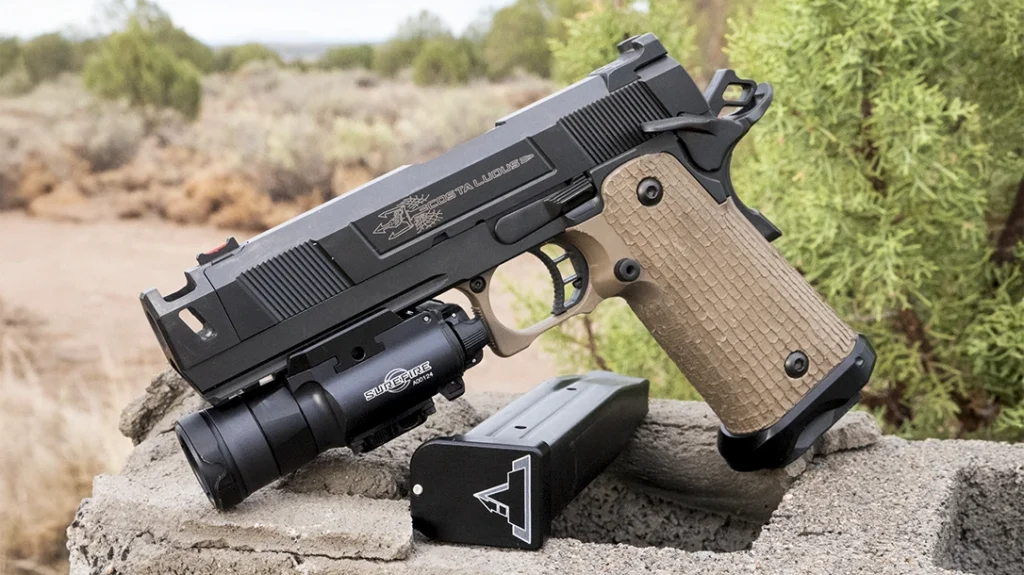
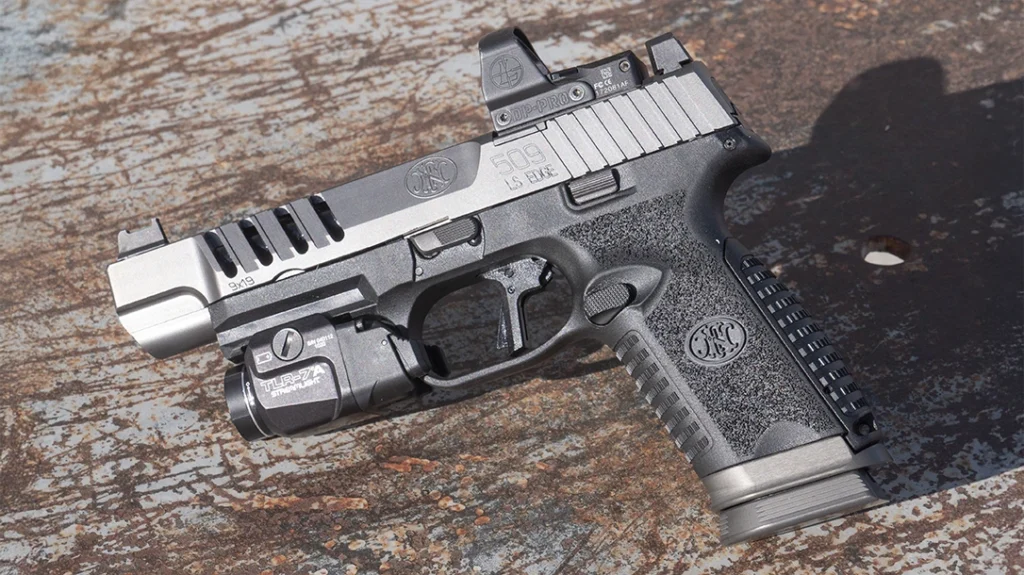
Unless the training is geared towards a little gun, stick to a proven mid- or full-sized striker-fired pistol that uses factory magazines. Shooting a single action (1911/2011) is fine, but learn proper safety operation prior. If not, bring a simple gun in case you get frustrated or are unsafe, and give up.
Advertisement — Continue Reading Below
RDS (Red Dot Sights) should be proven reliable. There is no need to be the most expensive, but use something that will survive the class. Fit it properly or pay a professional to do it. There is nothing more frustrating than having it shoot loose, turn off, or fall off during class.
When it comes to rifles, use the lightest rifle that meets the class’s needs and is 100 percent reliable. Most carbine classes are served well with a 16.5-inch barrel, although a 10.5-12-inch barrel is ideal for CQB stuff.
Leave suppressors off unless you are CERTAIN they won’t choke you or the gun to death. Every client removing their can after an hour or so “swears” it was perfect at home. With a 16.5-inch rifle, they turn a very handy rifle into a “pole arm” with a pound hanging off the end. Work without it first, and add it once you are proficient and have a way to remove it.
The Right Gun Provides for a Better Training Experience
Everyone wants to tell you what to bring. Most of the time, they are wrong. Ask the instructor teaching the class. They know through experience what works and doesn’t. Training, for the most part, is downright expensive. Don’t waste that time fixing a broken gun or breaking yourself running it.
Start with the right gun, enjoy, and learn stuff!