


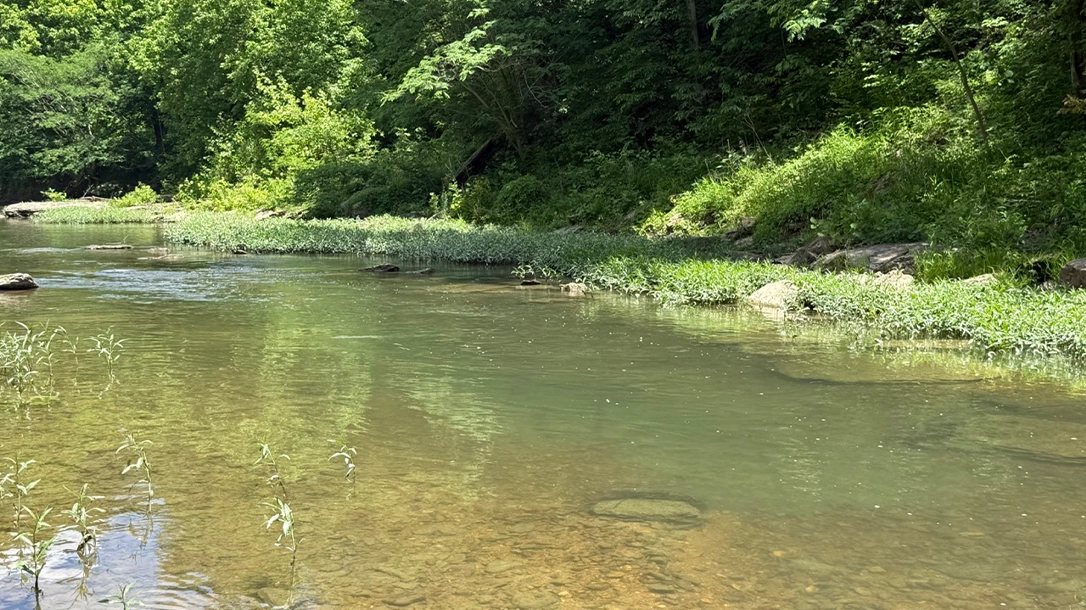
Most fishing mistakes happen before the first cast ever leaves your hand. Anglers wade in, start throwing, and wonder why they’re not seeing fish or getting hits. The water was right there. The fish should have been there. What went wrong?
What went wrong is they skipped the most important step: reading the water. Moving water is a language, and like any language, it rewards the people who take time to learn it. Rivers and streams communicate constantly, telling you where fish are holding, where food is moving, and where energy is being spent. Learning to interpret those signals before you ever pick up a rod transforms a fishing trip from a coin flip into something closer to a calculated hunt.
Start From the Bank
Before you get your feet wet, stand back and observe. This seems obvious, but it’s the step most anglers rush past. Give yourself a few minutes on the bank to let your eyes adjust to the water’s movement patterns. You’re looking for contrasts: fast water against slow water, deep runs against shallow flats, turbulence against calm. These transitions are where fish live.
Fish are energy-conserving creatures by nature. They want to sit in slower current while having immediate access to faster water that carries food. When you see a seam, that distinct line where fast water meets slow water, mark it mentally. That’s a feeding lane. Trout, bass, and most river species use these current seams like a conveyor belt at a buffet.
Advertisement — Continue Reading Below
Understand What Current Does to Structure
A rock doesn’t just sit in a river. It creates hydraulic features that extend both downstream and, importantly, upstream. The upstream side of any large obstruction creates a pillow of slow water as the current deflects around the structure. Fish will hold there, often right against the leading face of the rock, waiting for dislodged invertebrates tumbling in the current.
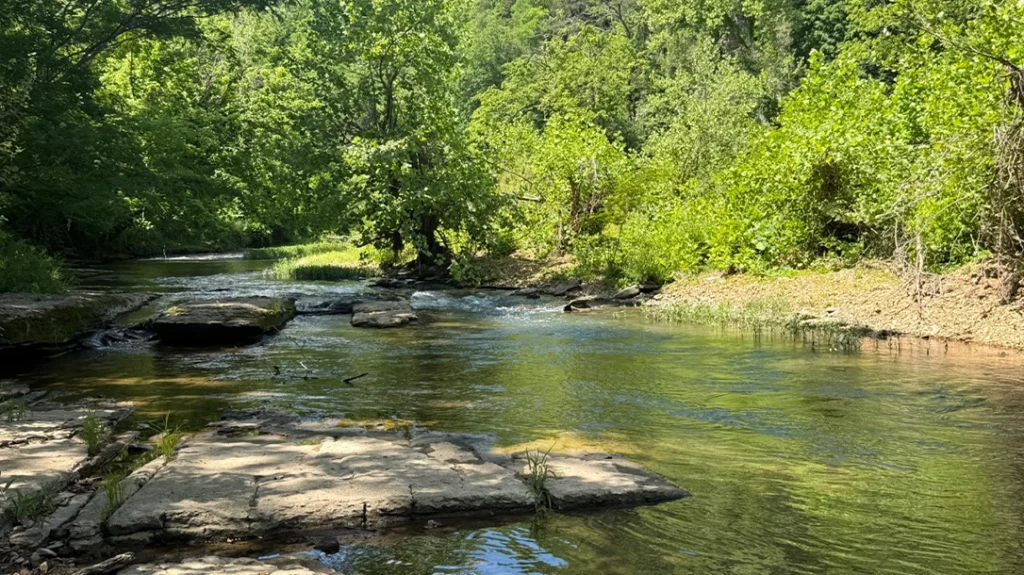
Downstream, you get a current shadow, a pocket of calmer water immediately behind the structure, followed by two converging seams where the redirected current rejoins itself. That downstream pocket is classic holding water. A big brown trout or a hefty smallmouth bass can sit there burning almost no energy while food gets funneled toward them from both sides.
Boulders, log jams, bridge pilings, and even subtle gravel bars all do versions of the same thing. Once you understand the hydraulics, you stop seeing random water and start seeing a map.
Read Depth Through Color and Surface Texture
You can learn a lot about depth before you ever probe it with a lure. Darker water generally means deeper water, especially in rivers with sandy or light-gravel bottoms. Pale or light-colored sections usually indicate shallows. This isn’t foolproof, and water clarity affects everything, but color transitions give you a quick working hypothesis.
Advertisement — Continue Reading Below
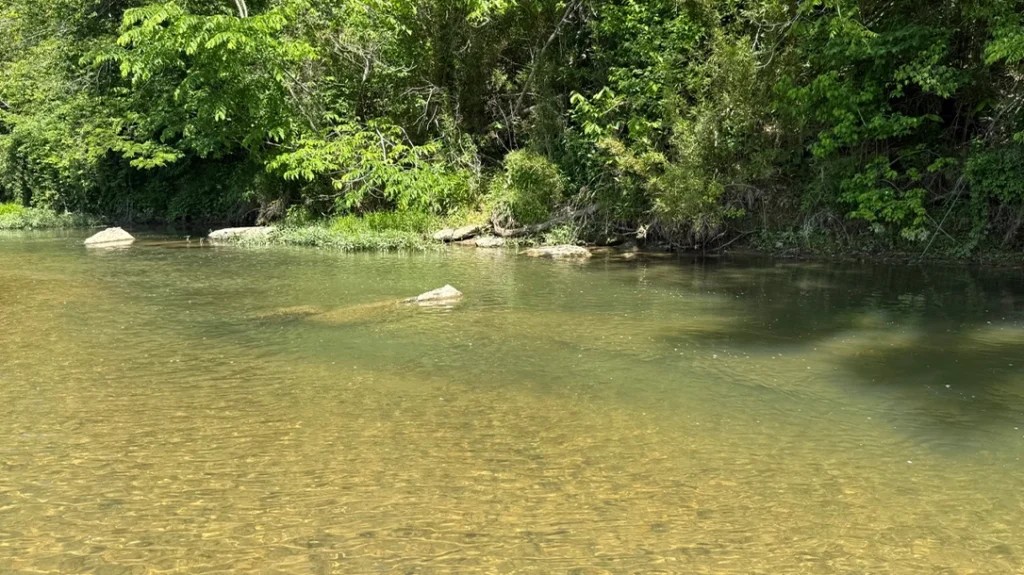
Surface texture tells you about subsurface turbulence. Smooth, glassy water often sits over deeper, calmer runs where the bottom contour isn’t disrupting the flow. Broken, choppy surface water usually means shallower depth with irregular bottom structure causing surface disruption. Standing waves are stationary hydraulic features created when fast water pushes over a submerged obstruction. Fish the water immediately downstream of standing waves. That’s where the turbulence dissipates and feeding positions establish themselves.
Boils and upwelling are circular surface disturbances where deep current pushes up toward the surface. These often indicate significant submerged structure, a large boulder, a ledge, or a dramatic depth change. All of these are worth investigating.
Find the Convergence Points
If seams are good, convergence points are better. A convergence is where multiple current threads or multiple features come together in the same area. A point bar on a river bend where the inside shallow meets the outside deep channel creates a convergence. A tributary mouth where a smaller stream enters the main river creates a convergence. The downstream tip of an island where current from both channels rejoins creates a convergence.

Advertisement — Continue Reading Below
These locations concentrate both food and fish. Insects and baitfish swept downstream by the current pile up at convergence points, and predatory fish know it. These are the spots you should hit first when you’re fishing unfamiliar water.
Work the Head and Tail of Every Pool
Pools are the rest stops of a river system, and they have distinct personalities from one end to the other. Most anglers instinctively fish the deep middle, which is often where fish hold when they’re not actively feeding. But if you want fish that are eating, pay close attention to the head and the tail.
The head of a pool is where fast, oxygenated water pours in and begins to slow down. That transition zone is a dinner table. Food gets carried in by the current and momentarily stalls as the hydraulics change, and fish position themselves right at that transition to intercept it. In warmer months especially, the head of a pool also tends to hold the most dissolved oxygen, which draws fish during afternoon heat when everything else slows down.
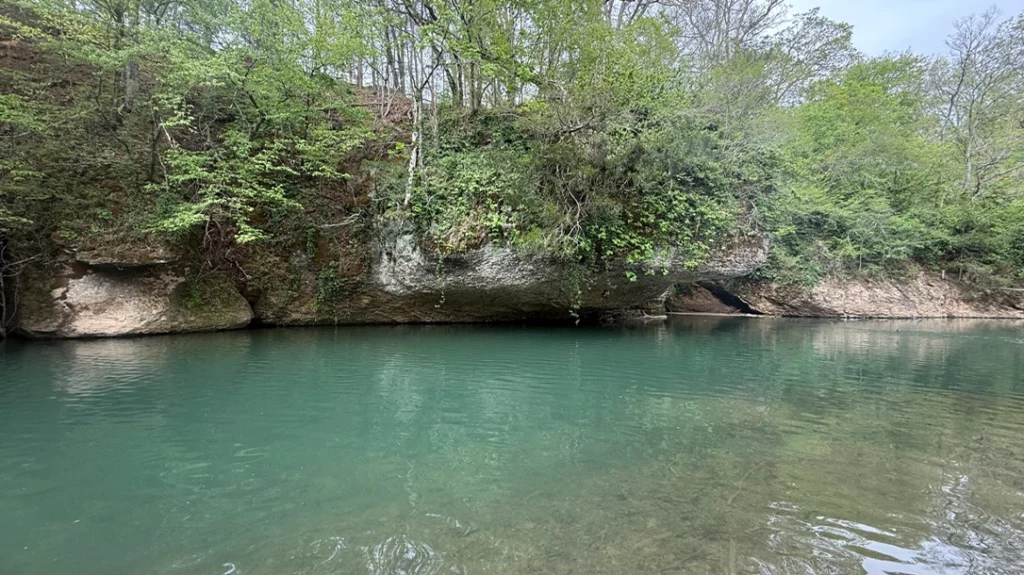
The tail of a pool is a different kind of opportunity. As the water shallows and accelerates back into the next riffle, it compresses and concentrates whatever has been drifting through the pool. Fish holding at the tail sit in relatively shallow, slower water with a wide feeding window. They can be surprisingly large fish for such exposed positions, which is exactly why the tail of a pool deserves a careful, deliberate approach. Get sloppy with your wading angle, cast or silhouette and you’ll blow the whole thing before your lure ever hits the water. This is where using ultralight spinning outfits and finesse lures are often crucial for catching wary fish.
Advertisement — Continue Reading Below
Think of a pool in three acts: the head feeds aggressively, the middle holds and rests, and the tail intercepts. Adjust your expectations and your presentation accordingly. Also keep in mind that fish will often change their position in a pool several times throughout the day.
Let the Current Tell You Where to Stand
Reading water isn’t just about finding fish. It’s also about positioning yourself for an effective presentation. Moving water creates drag on your line, pulling your fly or lure off its intended path. This drag effect is often more pronounced with flyrods than spinning rods, but it’s still present in both. Before you wade into a position, think through the cast. Where will the current grab your line? How will you need to mend or adjust to get a natural drift?
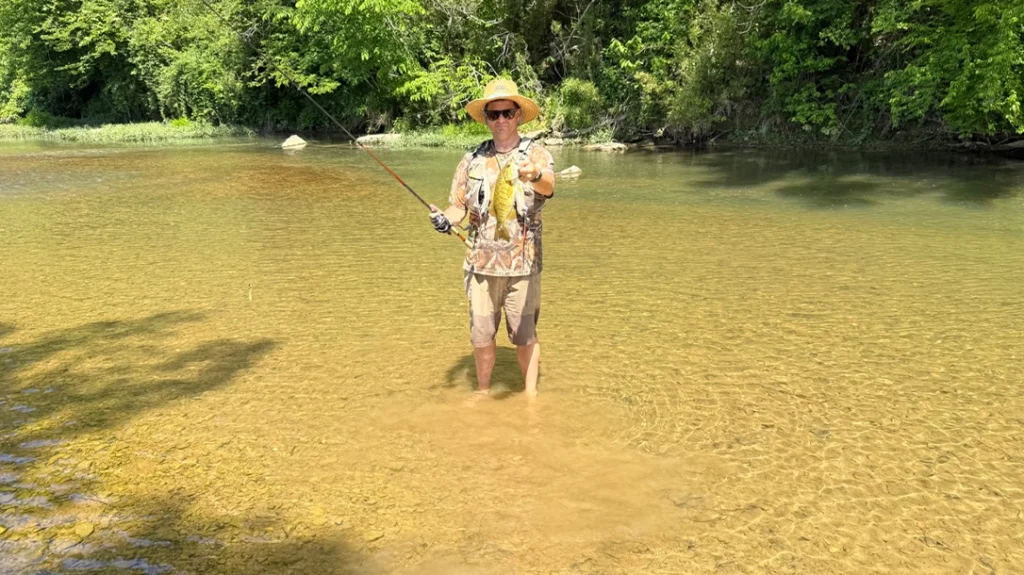
Wading into the wrong spot can also destroy the very water you came to fish. Approach from downstream, when possible, to minimize the disturbance. Move slowly. Every heavy footfall sends pressure waves upstream. Fish feel that. Wade thoughtfully, and you’ll spend less time spooking fish and more time catching them.
Practice Seeing Before You Expect to Catch
Develop the habit of spending real time reading every new stretch of water before making a single cast. Not thirty seconds, but several real minutes. Name the features out loud if needed to help you slow down. “Seam at the base of that boulder. Deep run along the far bank. Convergence where that side channel rejoins.” Verbalizing what you see forces you to mentally process it.
Advertisement — Continue Reading Below
The anglers who catch fish consistently aren’t the ones with the best gear or the most expensive flies. They’re the ones who understand that fishing starts long before the first cast. Reading water is a skill that compounds over time, building a mental library of patterns and probabilities you carry to every new river you walk up to. The water is always talking. You just need to learn to listen to what the water is telling you.
WHY OUR ARTICLES/REVIEWS DO NOT HAVE AFFILIATE LINKS
Affiliate links create a financial incentive for writers to promote certain products, which can lead to biased recommendations. This blurs the line between genuine advice and marketing, reducing trust in the content.