


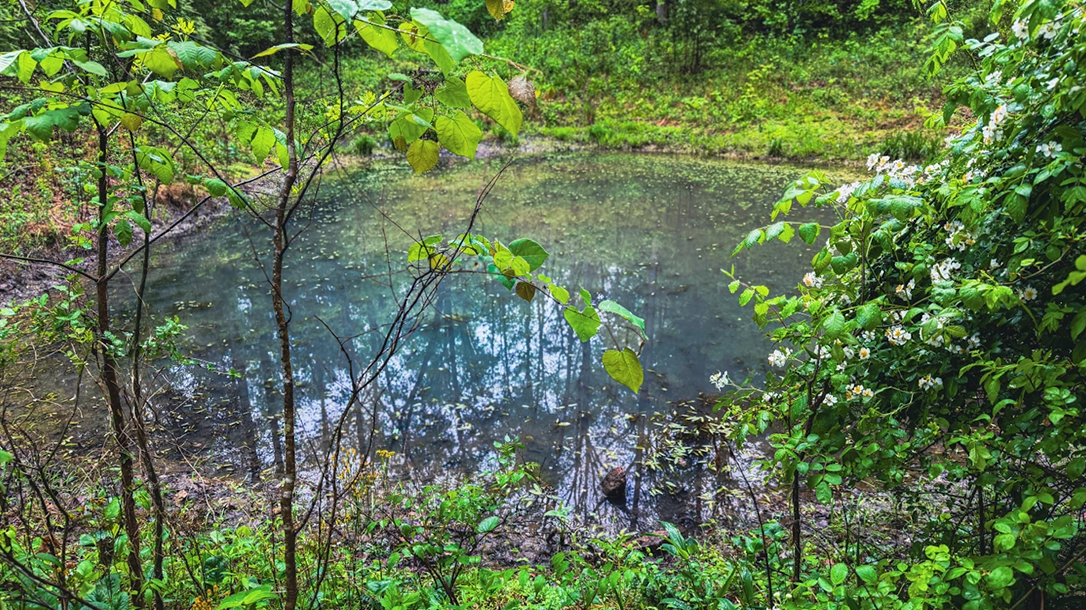
Years ago, I was hunting a purposely made wildlife opening in the Daniel Boone National Forest. I had placed my tree stand nearby, not right on the opening, but along a travel corridor deer were using to move to and from it. The opening also had a small wildlife pond in it. In the middle of a mature forest, that little spot became an oasis.
At dawn and dusk, deer regularly passed through. They were not wandering aimlessly. They were using the land in a predictable way. Mature timber surrounded the area, but the opening provided something different. It offered water, food, cover nearby, and a change in habitat. That is where wildlife often concentrates.
Hunters sometimes think the best places to find game are always deep in the wildest timber. Sometimes that is true. But often, the most productive places are where two habitats meet. That is edge habitat.
Where Two Worlds Meet
Edge habitat is where one visible type of environment abruptly or slowly turns into another. It might be a forest opening into a field. It might be a perennial stream winding through timber. It might be a wildlife pond in an otherwise dry section of woods. It can also be less obvious, such as a pine stand transitioning into mixed hardwoods.
The point is not just that the land changes. The point is that wildlife changes with it.
Advertisement — Continue Reading Below
Different animals prefer different habitat. When two habitat types come together, you increase the odds of finding animals that use one, the other, or both. A good edge can provide food, cover, water, travel, bedding, nesting, escape routes, and hunting opportunities for predators. It is not just a line on the landscape. It is a living intersection.
One of the most common and desirable edges for hunters is where field meets forest. I think of this often when turkey hunting. If I know turkeys have been on the roost through rain, or if I know it will be raining during the day, I pay close attention to fields and openings. Turkeys like open areas where they can feed, see, move, and use visibility to their advantage. After rain, open ground can also give them space to move and take flight more easily.
But even in a field, not all places are equal. I have watched turkeys use the same tree line over and over again to enter a field. They were not marching straight across the wide open. They followed the cover as far as they could, using the trees as concealment before stepping deeper into the opening. That is one of the biggest lessons with edge habitat. Animals may use openings, but most do not like exposing themselves for long.
Water Sources Reveal Movement
Water edges are another major place to pay attention. Water is always worth noticing because all wildlife needs it, often daily and sometimes multiple times a day. But water does more than satisfy thirst. It changes the vegetation around it. Many herbaceous and woody-stemmed plants prefer areas with ample moisture. When the plant community changes, animal activity often changes too.
Advertisement — Continue Reading Below
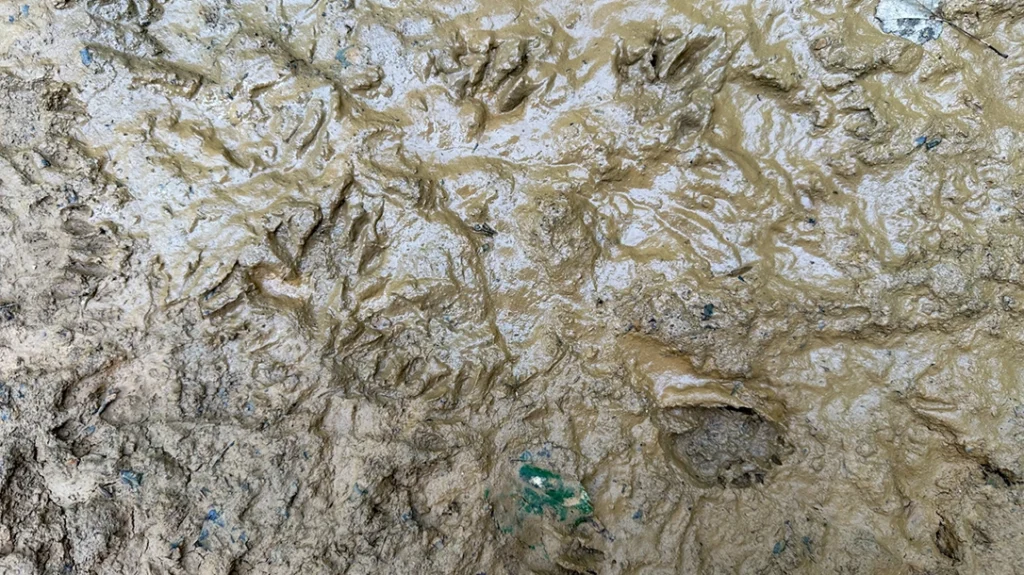
A small wildlife pond or a single lonely stream can act like an oasis. If there is not much other water available, nearly everything in the area may visit it at some point. Around that water, you can often find tracks, travel corridors, scat, browse, feathers, beds, muddy banks, and repeated access points.
Water is especially useful to hunters because it reveals movement. Mud and damp soil hold tracks far better than dry leaf litter. Animals also tend to use repeatable approaches to water, which creates corridors you can pattern.
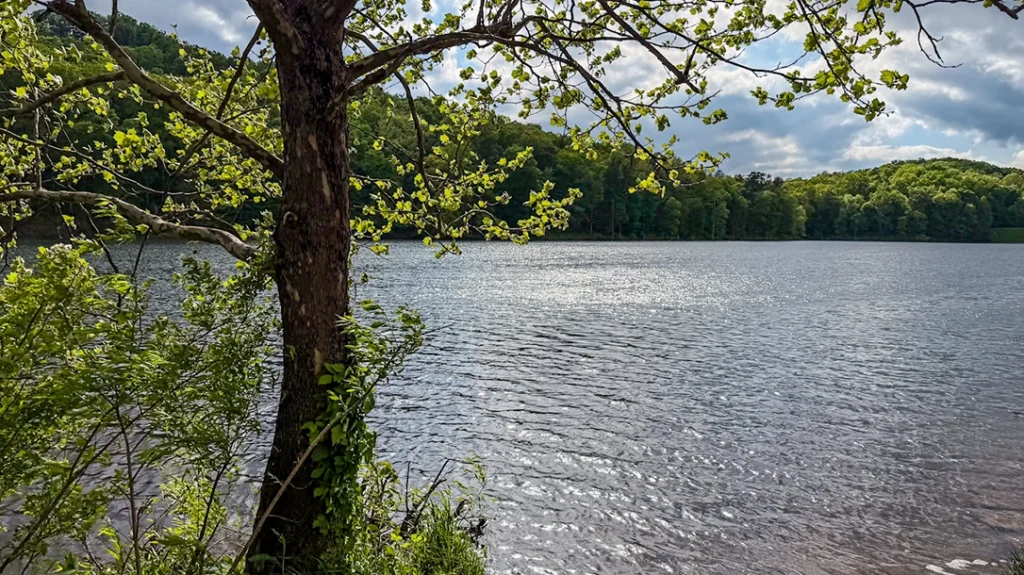
Large bodies of water are different. A lake edge may seem promising, but the whole shoreline is not equal. The better places are often where cover reaches all the way to the water and where the bank is shallow or easy to access. Wildlife would rather slip in unnoticed cover than cross a wide-open field just to drink.
Advertisement — Continue Reading Below
Different Species, Different Habits
Deer, turkeys, rabbits, quail, coyotes, and bobcats all use edge habitat differently. Deer may use edges to bounce away from predators or move between bedding and feeding areas. Openings with tall grass may serve as bedding areas. Turkeys often work edges because mast-producing trees can produce more acorns, beechnuts, and hickory nuts on the sunny side of the tree than on the shaded forest side. Rabbits and quail love deeper grasses and brushy cover where they can avoid predators. Coyotes and bobcats hunt edges because rodents and small game often concentrate there.
Scat is another calling card. It can tell you what animals are present and sometimes what they have been eating. Coyote scat is often cylindrical, pointed, and may contain hair. Heavy coyote activity can alter how other animals use that same edge. Deer scat can also tell a story. Brown pellets often suggest browse and mast. Green clumped scat may point toward herbaceous feeding. Those clues can help direct you toward where animals are feeding next.
Wildlife Corridors
To read an edge, slow down. Wildlife corridors are often far narrower than people expect. A lot of hunters are looking for something that looks like a walking trail. In reality, a travel corridor may only be around seven inches wide. That subtle path through grass, exposed soil, or leaf litter can be easy to miss if you are moving too fast.
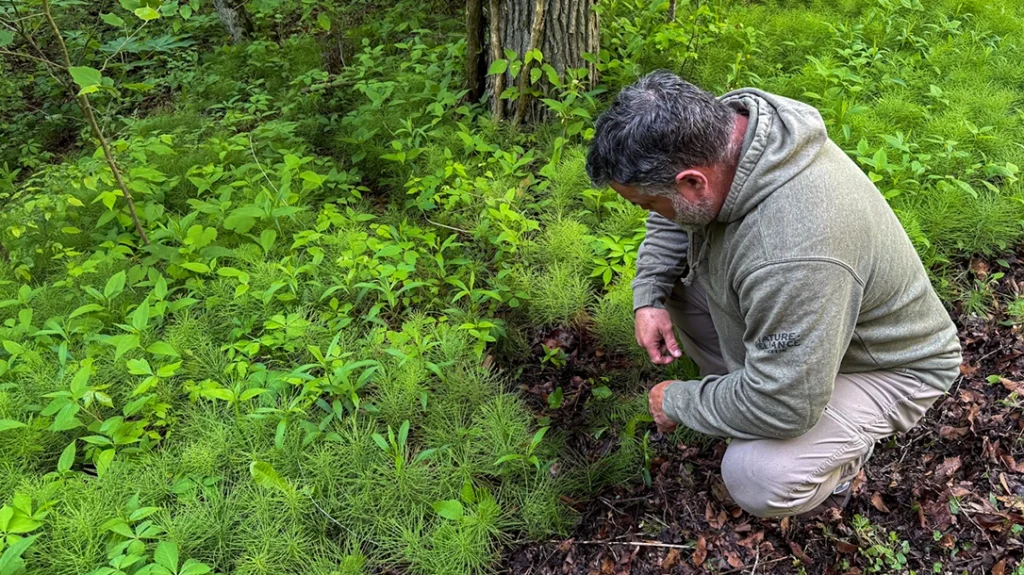
When scouting edge habitat, look for exposed soil that holds tracks. Look for compressed grass, disturbed leaves, small openings through cover, scat, rubs, scrapes, browse, feathers, dusting areas, and places where multiple animals are using the same approach. Repeated sign matters more than one random track.
Advertisement — Continue Reading Below
Position Thoughtfully
The biggest mistake hunters make with edge habitat is getting too close to it. That is why scouting is critical. One method I like is to find the edge, then scout in concentric circles around it. Start about thirty yards out, then work twenty yards out, then ten yards out. You are looking for tracks, corridors, and access routes that show how animals use the edge.
Then set your blind or stand based on that knowledge. Do not just sit where the habitat change is obvious. Sit where the movement is happening.
View From Above
Maps and aerial imagery can help before you ever step onto a property. Openings often show up lighter on maps, while forested areas show green. Topography can help you identify ridges dropping into hollows, creek corridors, benches, saddles, and travel funnels. But maps have limits. Small wildlife openings may not show up. Maps let you make an educated guess. Boots on the ground tell you the truth.
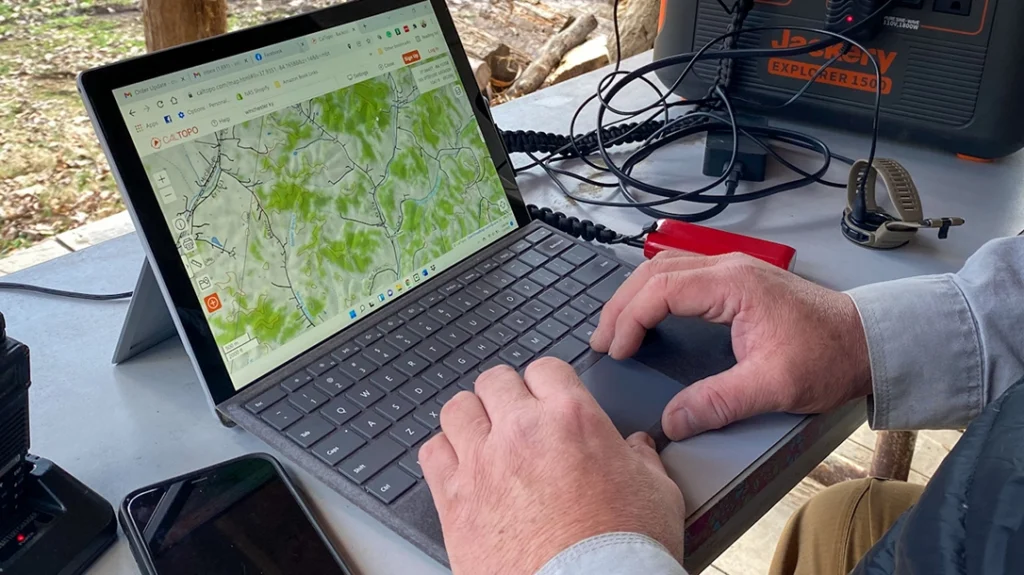
Landowners can also improve edge habitat, but good advice starts with this: consult a wildlife biologist or forester whenever possible. Every property is different, and habitat work can create unintended problems when done carelessly.
Advertisement — Continue Reading Below
That said, openings can benefit multiple species when managed well. Removing undesirable or low-value woody growth in selected areas can allow sunlight to reach the ground and encourage herbaceous growth. That creates food and cover, but it also creates maintenance. Habitat work takes sweat equity.
Feathering
One useful method is called feathering. Instead of having a hard wall of trees at the edge of an opening, you create a gradual transition. For example, you may remove around 60 percent of the trees for the first ten yards from the opening, 40 percent for the next ten yards, and 20 percent for the next ten yards beyond that. The result is a softer transition with more cover, more browse, and more usable habitat.
What Edge Habitat Can Teach us
Edge habitat teaches hunters to read change. Where forest becomes field, where water cuts through timber, where pine gives way to hardwoods, where thick grass meets open woods, wildlife finds opportunity. A productive edge is not just where two habitats meet. It is where wildlife can use that transition without feeling overly exposed.
The hunter who learns to see those transitions sees more than scenery. He sees movement, pressure, food, cover, and the hidden logic of animals using the land.
WHY OUR ARTICLES/REVIEWS DO NOT HAVE AFFILIATE LINKS
Affiliate links create a financial incentive for writers to promote certain products, which can lead to biased recommendations. This blurs the line between genuine advice and marketing, reducing trust in the content.
Advertisement — Continue Reading Below