


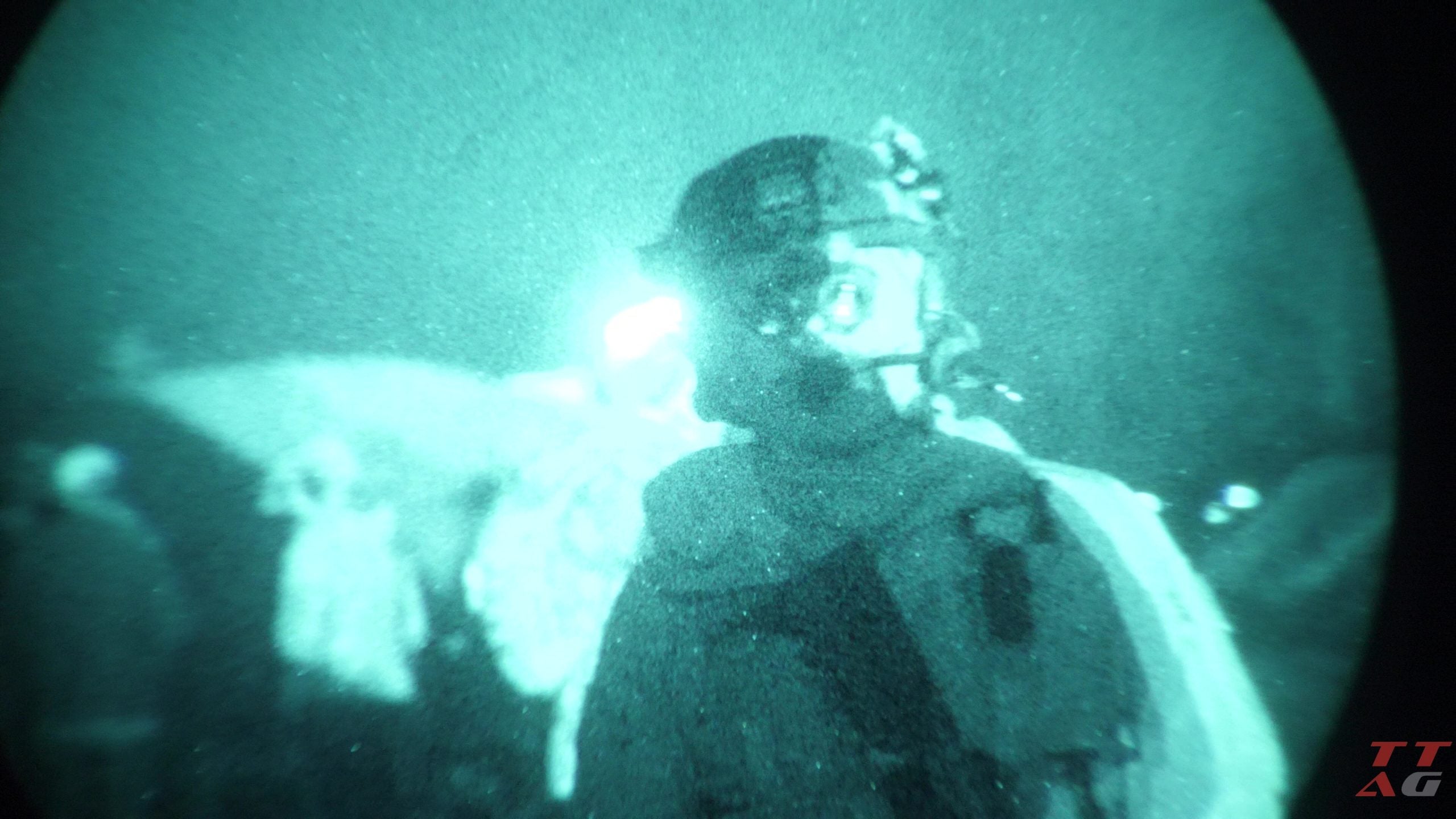
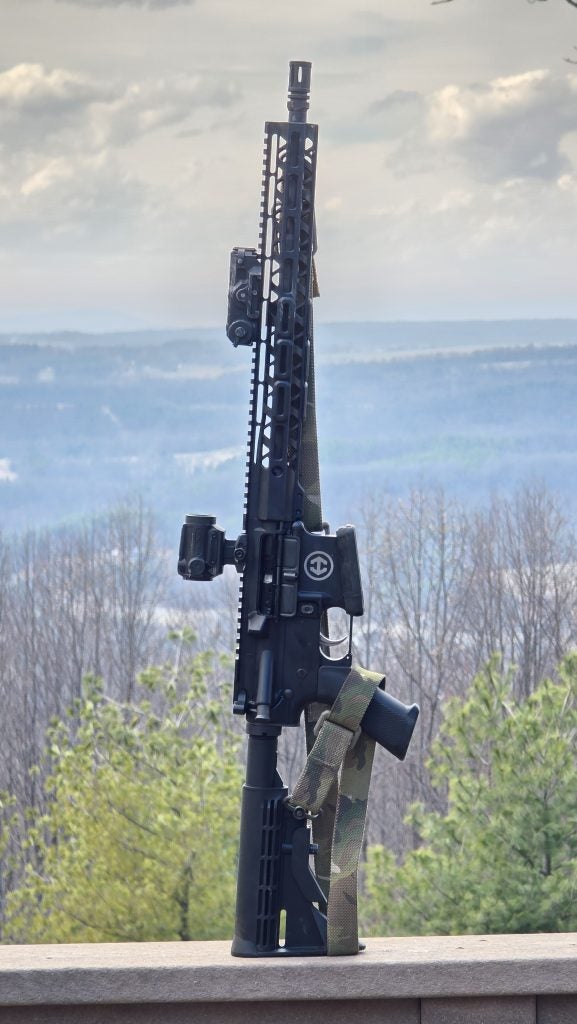
If you are serious about night vision and want the one event that feels like a true pilgrimage, Moons Out is it. Last month, I just wrapped two nights running a Hi-Point HP-15 under nods at Echo Valley Training Center with mud on my boots and a helmet that left my neck screaming at me.
This annual rifle-only match put on by the Forgotten Weapons and crew has become the Mecca for night vision shooters who want real low-light pressure against other like-minded and similarly equipped shooters instead of range day cosplay. The competition is ten stages, no white light allowed, and it’s up to just you, your tubes, and whatever the sky hands you to make your way through the carefully curated set of stages, obstacles, and tasks they plan for the shooters each year.
The 2026 run back in early March delivered exactly that test and more. If this sounds like something you’d like to do, today we’ll talk about how to plan for the upcoming 2027 match.
Who, What, When, and More Reasons Why
Moons Out usually lands sometime in March at the same Echo Valley Training Center near High View, West Virginia, where both Moons Out and Brutality matches have been held for years now. A literal year ahead of schedule, the organizers try to time the match for a decent moonrise and phase that keeps things fun under last-generation nods, but this year the weather had other plans. We caught nearly two full nights of overcast skies and late moonrise, which made tube performance and skill necessary in almost equal measure.
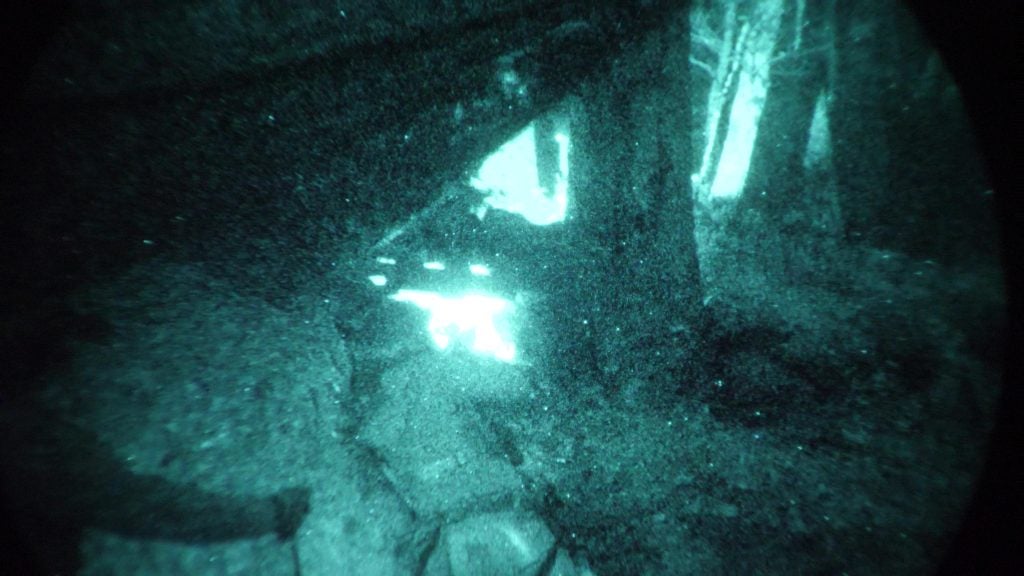
The venue always delivers consistent, yet evolving terrain every year. A frequent stage venue is the two shoot houses, muddy creek area, 360 bay, trenches, and open areas that transform completely after dark. Registration opens early on Practiscore and sells out in literal seconds. This year, about 175 shooters made the cut with hundreds left on the waitlist, so stalk the site if you want in.
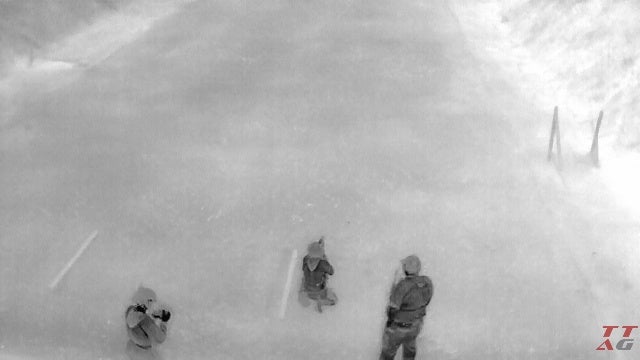
The match fee sits around $300, but that number basically evaporates once you see what the sponsors bring to the prize table for you to snag after you complete the match. The prize table, for what it’s worth, is a completely random draw, so regardless of whether you come in first or last, you have an equal shot at walking away with some serious new gear worth many times what you paid in match fees, ammo, and gas to get to Moons.
What You Should Bring
If you’ve been lucky enough to fight off the rest of us night vision nerds for a highly coveted slot at Moons, what you actually need to show up prepared is straightforward and unforgiving. One rifle only, no handguns on the line. Bringing a backup rifle is a smart idea if you can afford the extra space, as I’ve seen more than a handful of guns go down mid-match, with 2026 being no exception.
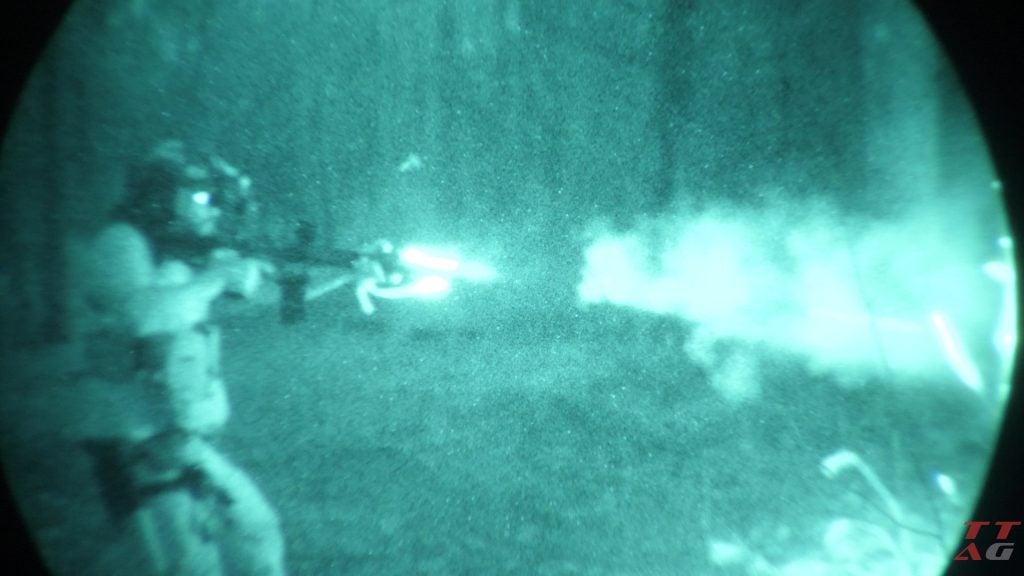
Allowed calibers stick to what the steel targets can handle at typical match distances: 5.56, 300 Blackout, 9mm, 45 ACP, and 7.62×39. Magnum cartridges are out because nobody wants holes punched through the expensive, often donated plates. PCCs, PDWs, and AR platforms all work fine. Any optics you plan on bringing to the match obviously need to play nice with nods, so red dots are your only real options if you’re going with analog or digital night vision, while Thermal participants have to kind of straddle between both a set of digital or analog nods for navigating, and then transition to their thermal for the shooting portion. White light of any kind is banned, even mounted and off. Having one on your rifle is fine, but it’s my own personal practice to just remove the battery so there’s no chance I’ll have an accidental light discharge.
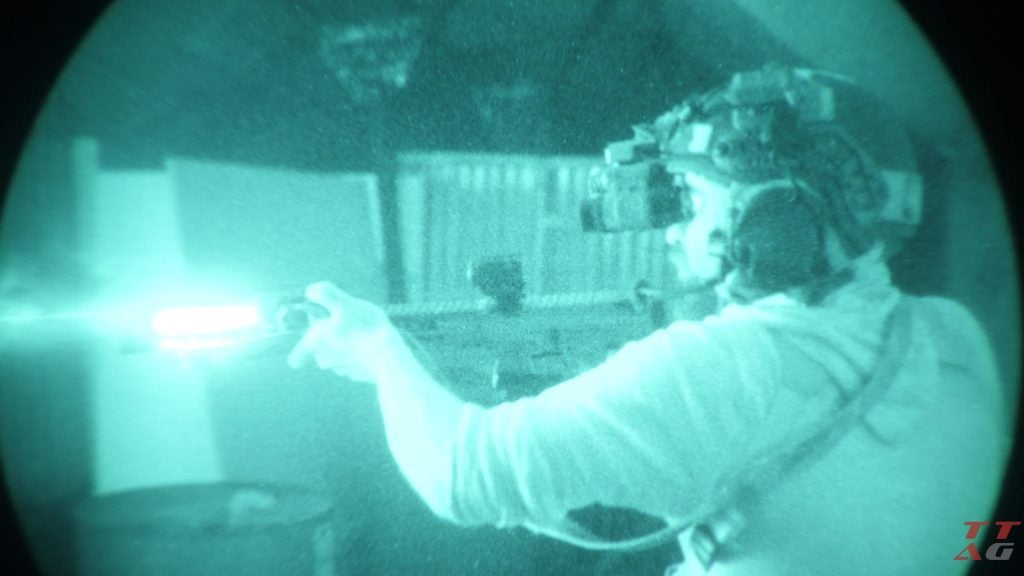
Night vision is the non-negotiable centerpiece of a Moons match and the reason that people travel from all over the globe to come to this match (we had both Finns and Swedes at this year’s match). Dual tubes are highly suggested if you can afford them, or a solid single on a helmet is the standard for most shooters. The passive aiming division is much more challenging in a lot of ways for most shooters and is often a much smaller competitive market if you’re trying to gain a trophy (which are always custom-made and given out at the end of the match for 1st, 2nd, and 3rd place in each respective division).
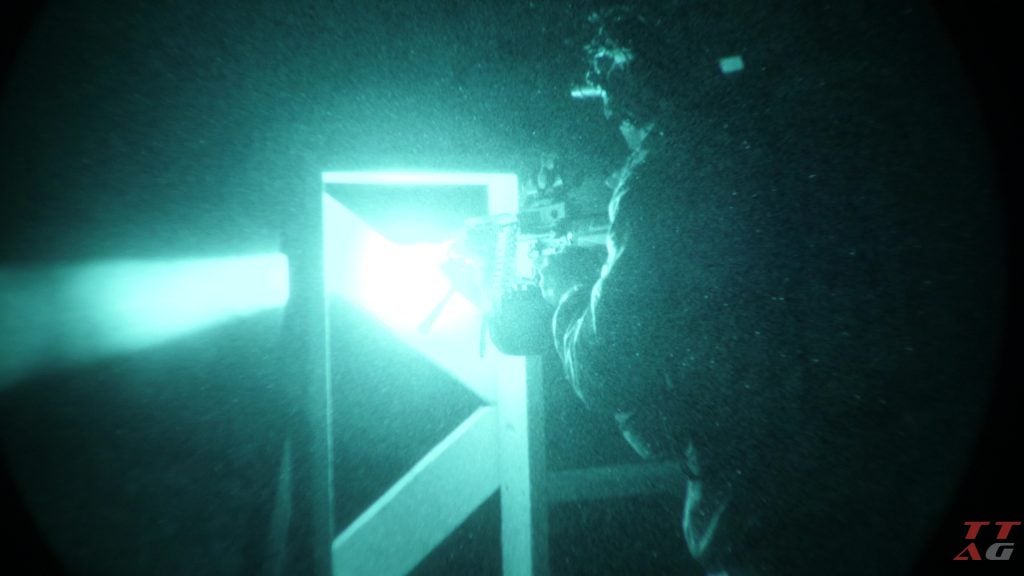
You’ll want a solid helmet or “skull crusher” that’s capable of mounting your night vision device for navigating. You’ll be walking/marching between each stage every night, and some of the walks could possibly take you up some pretty steep, often muddy hills, so plan accordingly and maybe do a bit of cardio before you come out – you’re going to be doing a lot of moving and shaking at this match.
When it comes to mounts and helmets again, something that locks down tight during movement is going to help keep your head in the game. Counterweights save your neck on long nights if you have a particularly heavy set of night vision, like panos or some heavier duals. Ops Core bump style helmets showed up constantly for good reason – they’re some of the lightest and best in the business.
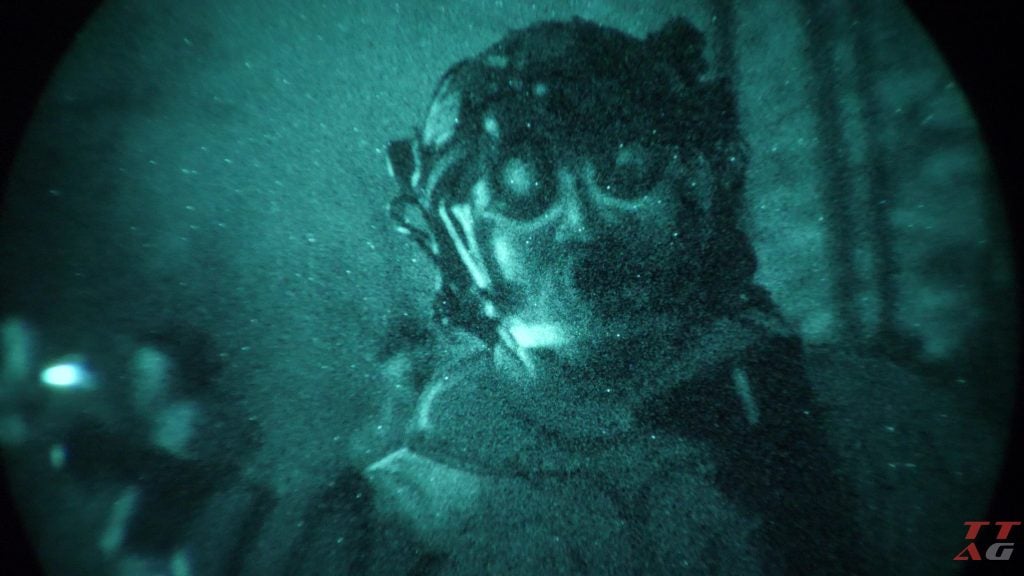
Extra gear like chest rigs (like I wore), and plate carriers is only required for the armored division. Everyone else can skip them. A good IR or red light handheld or helmet-mounted task light helps for admin work like stuffing mags between stages, comes in handy, but remember, any white light output, even off the line, is extremely frowned upon. Bring plenty of magazines, solid waterproof boots, layers that handle rain and cold West Virginia nights in the valley, your eye and ear protection, and plenty of extra batteries for your litany of devices. That is the simplest, most realistic kit list that lets you focus on shooting instead of suffering from deciding what to bring.
The Moons Out Match Course of Fire
The match runs with military-style precision, but it’s probably the most shooter-friendly flow in the business. Les Winner of Polaris Logistics (which also sponsors the match) starts both nights with a full safety briefing before sunset. All shooters and ROs gather at the registration trailer, where Rangemaster Les lays down the law and usually gives a pretty rousing opening address to get everyone hyped up to shoot. Les also runs Pegasus Tests on YouTube.
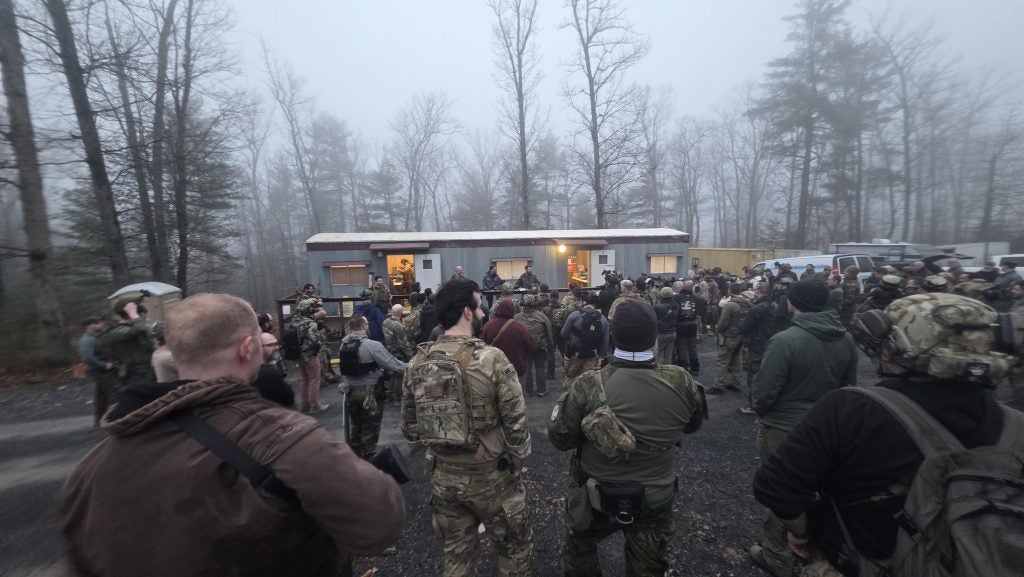
After the brief, you and your individual squads will split to your first stage. Shooting starts simultaneously across the match with coordination handled through a tight radio network that connects the Rangemaster, ROs, stage runners, logistics, and the registration trailer. Five stages are shot per night, usually wrapping after midnight or later, depending on unexpected delays. When it comes to stage design, you can reference my match coverage video below.
For any Moons Out match, you should expect a mix of close-quarters shoot houses and longer engagements out in the tree line. One stage features a notorious scanning trap that punishes lazy eyes. Another plays like a modern trench raid, and other stages are classics like this year’s Krazy Kasarda, which features the infamous kettlebell, which only advances with the shooter for more points and more chances to shoot.
Movement, situational awareness, and clean, disciplined guncraft (i.e., avoiding penalties) typically decide who comes out on top of the leaderboard at a Moons Match. Scoring is simple in comparison to USPSA hit-factor style scoring. At moons, time plus hits with procedural penalties keeps things simple for the ROs and for the competitors who are probably already overloaded with shooting under a new high-intensity, limited-visibility situation. Despite the tech being used and the seriousness of any firearms competition, the overall vibe stays supportive and even festive as the hours stack up. You finish tired but noticeably sharper and with a great feeling of camaraderie and accomplishment with your squad.
The Prizes
Inspired by the Brutality Matches that have also taken place at the Echo Valley Training Center, the Prize table, as I mentioned earlier, is a completely random draw. Some of the highlights this year were a Lima Six Beltfed Upper, thousands of dollars worth of new Night Vision housings from Nocturn Industries, almost a dozen CTF Photonics CTF3 LAMs, as well as tons of soft goods like plate carriers, belts, IFAKS, and magazine carriers from sponsors like T-Rex Arms and Exitus Productions. The prize table is what turns a solid match into something I think is unforgettable for most.
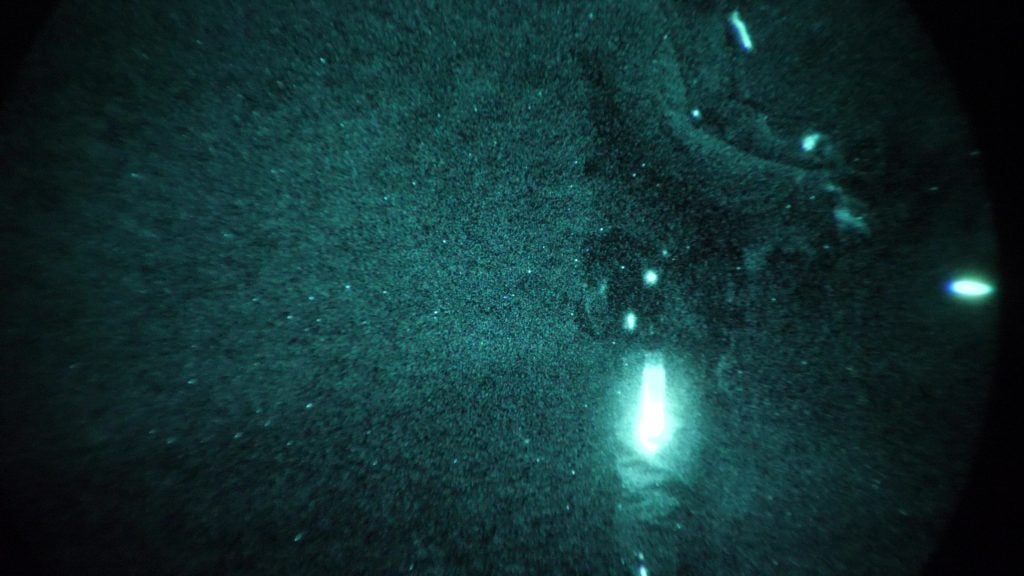
While Nocturn Industries was the title sponsor of the event this year, every company, big and small, that sponsored the match brought serious prizes. A deep bench of other companies sponsored stages and loaded the tables: Varusteleka, HUSH Holsters, Springfield Armory, Aimpoint, Ops Core, Q, and several more. Optics, lasers, holsters, engraved gear, and high-end swag covered every inch. You could probably kit yourself out for a match a few times over just with the prizes on the table.
My point here is that even if you shoot poorly at the match, you’re still likely to walk away with something worthwhile. Past years have included free entry certificates to other major two-gun matches around the country.
The sheer value often more than covers the entire entry fee and leaves you with new gear to test back home. Best of all, these companies are really what make the match happen, as many of them contribute monetarily to make the match happen in the first place.
Why I Love This Match
I have been around the gun industry and firearms in general long enough to remember when night vision matches were informal range nights with a few guys taking turns with PVS-5s or PVS-7s that had just happened to fall off of a truck. Moons Out has grown far beyond that.
This year drew a great pool of shooters with some creative gear and even costume setups, combined with everything from digital nightvision to thermal overlay experiments with regular analog tubes. The match, in addition to being fun, is one of the few places where you can really test out your night vision gear setup in an environment that is more demanding than your typical range session.
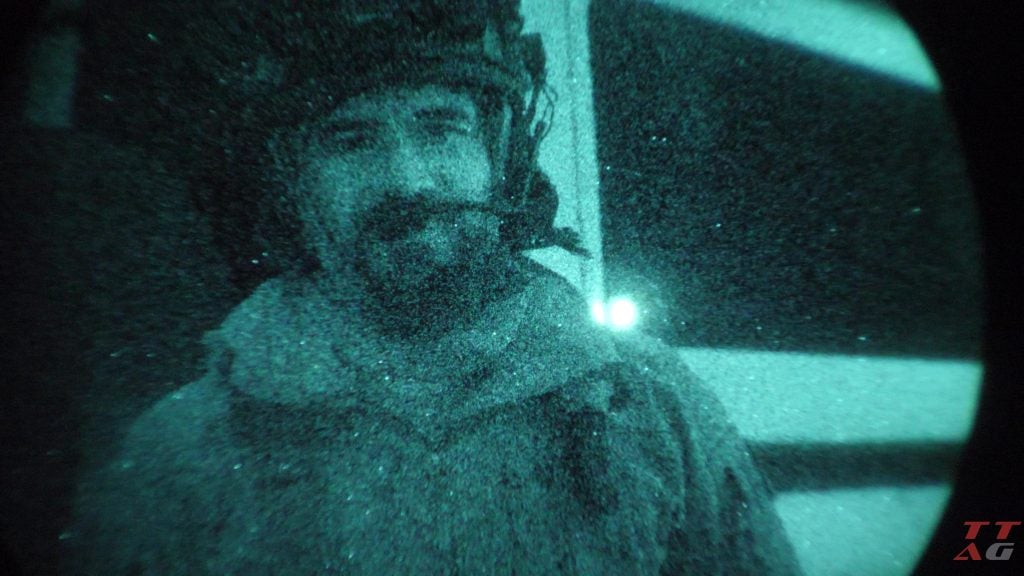
Even though the moon was not particularly cooperative this year, the match still wound up being the most fun I’ve had all year. That mix of conditions is exactly what makes it valuable. You do not get to pick the weather in a real scenario either, but you do get to pick whether or not you’re going to go to the match, and when it comes down to that, I think the choice is pretty obvious to most of you who enjoy shooting under the moon.
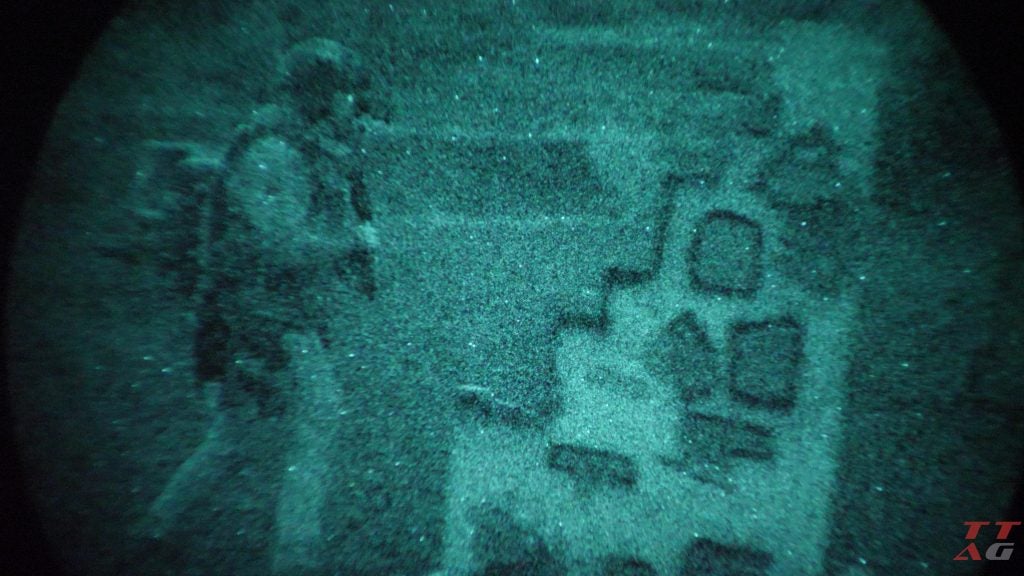
At the end of the day, Moons Out reminded me why I continue to spend most of my money on firearms, gear, and ammo. It is not just about having all of the cool little gadgets for me. It is about building real capabilities and friendships and combining them all in one happy place.
If you are serious about night vision and are looking for an excuse to make a boys’ trip out to West Virginia to put yourself and your gear to the test, I can’t recommend it enough.