



Last month I found myself in the dark, perched on the roof of a old farm truck, clutching a handheld thermal while scanning the timber for hungry coyotes. High pitched squeals emitted from the Foxpro game call we had positioned out in front, hoping to entice a nest predator to come investigate. I had a .223 outfitted with a Meprolight optic at the ready.
It was cold, much colder than I expected a Georgia spring evening to feel. Underneath a canopy of longleaf pine, I felt enveloped by the inky darkness. I diligently watched the forest line for any sign of movement for what felt like a very long time. Suddenly there was a flash of white in the thermal lens, an animal coming in quickly. The guide took he thermal and identified the critter as a coyote. We shifted into position. There was a scurry of action, and then it was over. The coyote had bounded away as quickly as it came in, and was gone.
Coyotes, among other things, are nest predators. Nest predators are animals that raid bird nests to eat eggs, chicks, or sometimes even adult birds. They’re a major threat to nesting birds and can significantly affect bird populations, such as the bobwhite quail. Other nest predators include raccoons, foxes, snakes, skunks, squirrels, weasels, armadillos, and other creatures.
Nest Predators and the Bobwhite Quail
Bobwhite quail are a ground-nesting species, which makes them especially vulnerable throughout their entire life cycle. In a balanced ecosystem with strong habitat, including diverse native grasses, adequate cover, and abundant escape routes, quail have evolved to withstand a certain level of predation. A problem arises when populations get out of balance.
Advertisement — Continue Reading Below
Land managers use a variety of tactics to keep predator populations in check, such as predator hunting and trapping.
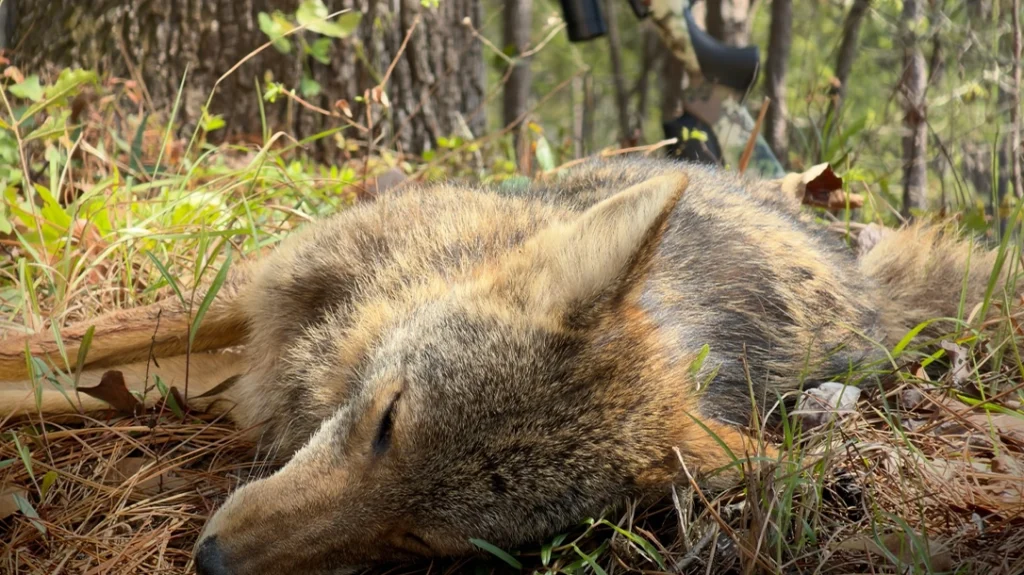
The trapping method is especially useful when nest predators are targeted in late winter and early spring, just ahead of nesting season. By temporarily lowering predator densities, more nests have a chance to hatch successfully, giving populations a needed boost.
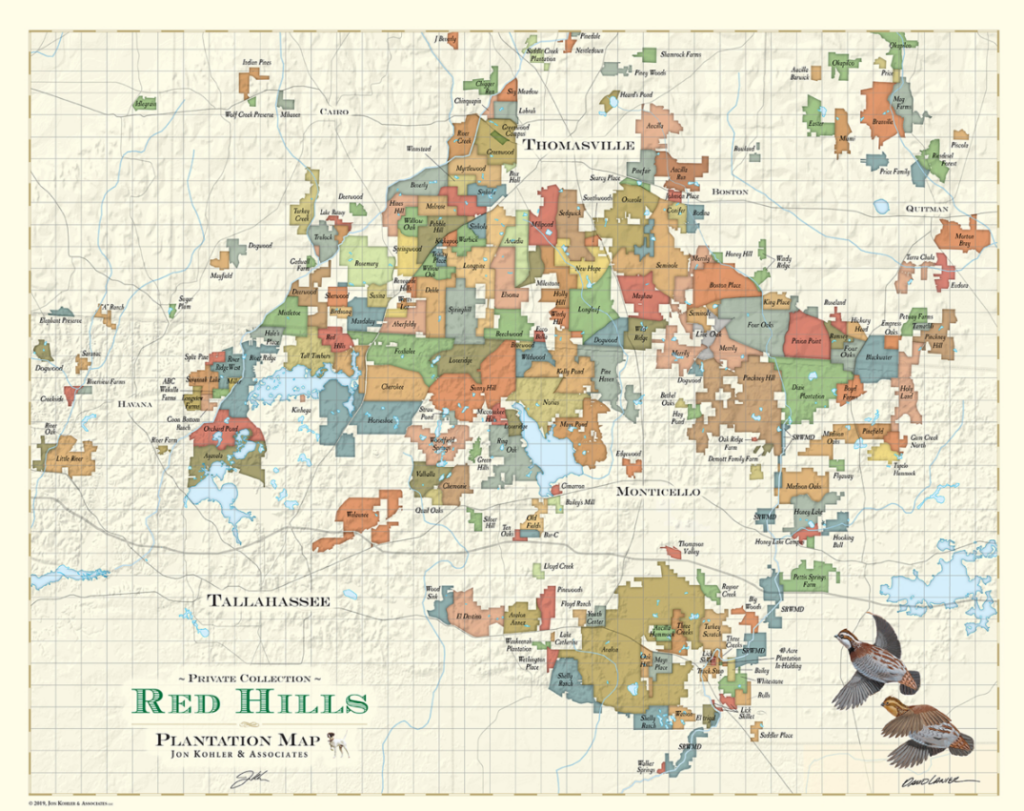
In areas where the local economy depends on healthy quail populations for hunting, such as Thomasville, Georgia, keeping the nest predators in check is crucial. Thomasville, known as the“Quail Capital of the World,” is the epicenter of bobwhite quail hunting, with a high concentration of quail hunting plantations making up the core of the local community.
Quail Hunting Culture
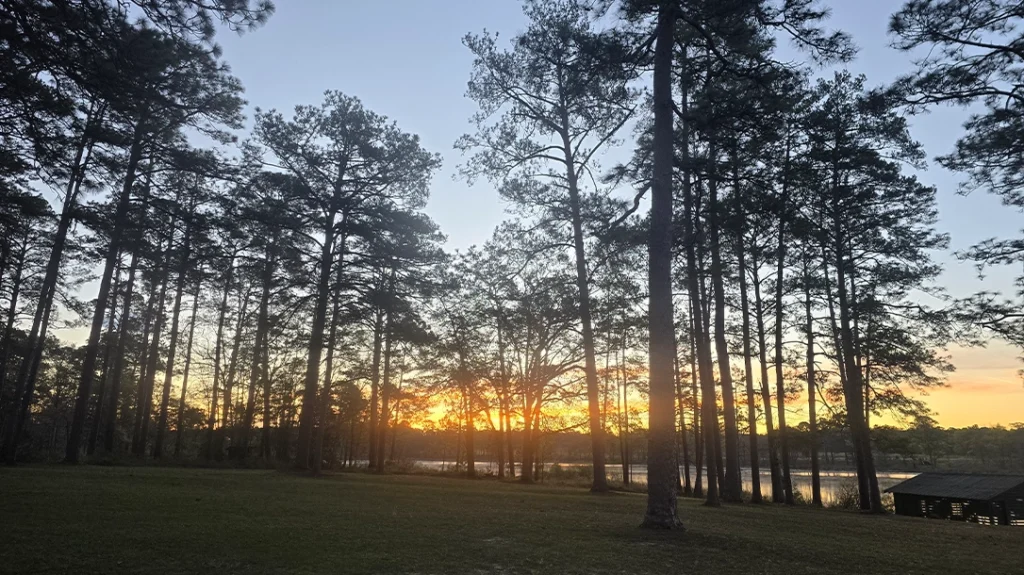
Quail hunting in South Georgia is more than a pastime. It is a tradition that is very much alive today, rooted in land stewardship and heritage. It is a cherished sport that plays out under longleaf pine forests that stretch across gently rolling terrain, their open understories shaped by prescribed fire and careful management.
Advertisement — Continue Reading Below
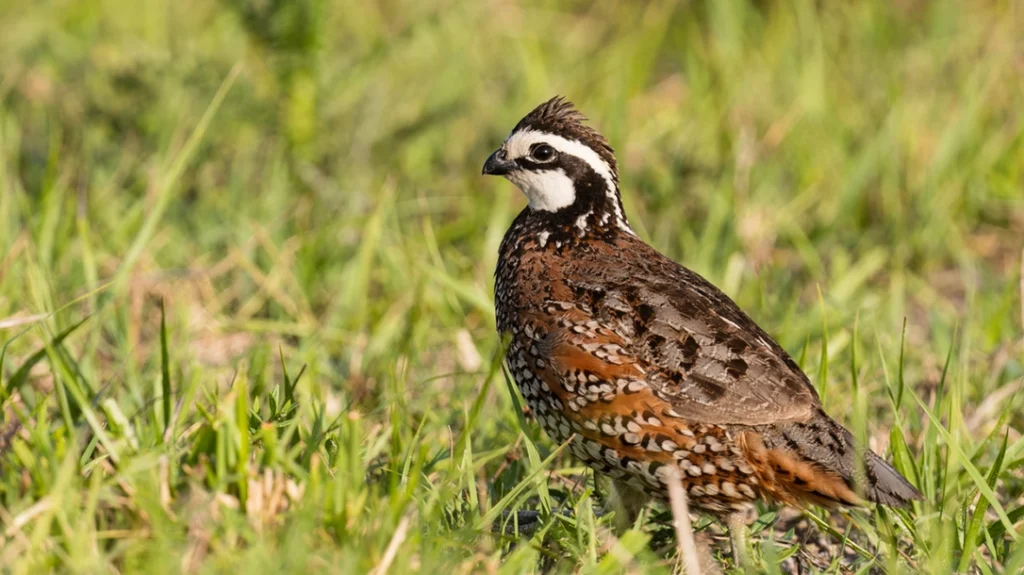
The history of quail hunting in this region dates back to the late 1800s when Northern industrialists came south by rail and purchased large tracts of land, which they developed into private hunting preserves. The southern quail hunting culture grew and became a foundational activity in the Red Hills plantation region near the Georgia-Florida line.
Quail hunting, at its core, is defined by the relationship between hunter, dog, and land. The classic image is timeless: a line of hunters walking behind a team of well-trained pointers or setters, their noses low to the ground, bodies tense with anticipation. When a dog locks up on point, tail rigid, one paw lifted, the entire world seems to pause. The covey flush that follows is explosive, a thunder of wings that tests even the most seasoned shooter. It is fast, instinctive shooting, often over in seconds, leaving behind a rush of adrenaline and the echo of wingbeats.
Quail hunting has always been about more than just the harvest. Unlike many pursuits where success is measured strictly by what’s taken home, this tradition leans just as heavily on the experience itself. It’s in the way the dogs work a field, the conversations between hunters, and the beauty of the landscape. A good day isn’t defined by a heavy game bag, but by steady points, shared moments on the tailgate, and the feeling of being part of something that’s been existing practically unchanged for generations.
Advertisement — Continue Reading Below
That legacy hasn’t come without its struggles. Wild bobwhite populations have seen declines over the years, largely due to habitat loss, shifting land use, and fragmentation. In response, South Georgia has become a model for conservation-minded management. Landowners and organizations alike have leaned into practices like prescribed fire, native grass restoration, and predator control. The result is more than just sustainable quail numbers, it’s a healthier, more balanced ecosystem that supports a wide range of wildlife.
Restoring Populations
Though there is no maigic pill for restoring wild bobwhite quail, land managers focus on proper management of longleaf pine forests through regular burns, which help support the quail habitat, and of course, predator management.
There is also a broader ecological benefit to thoughtful predator management. Many of the same practices that benefit quail, such as restoring native ecosystem, support songbirds, pollinators, and other wildlife. Predator control, when done responsibly and ethically, becomes one tool among many in a larger conservation strategy

Advertisement — Continue Reading Below
Conservation group such as Quail Forever focus on education initiatives and other programming that seeks to help preserve the quail and is involved with some of the nation’s leading quail biologists in planning the first-ever national plan for quail recovery.
Tall Timbers contributes to conservation through its Game Bird Program, which leads important land management and forestry research to help quail as well.
WHY OUR ARTICLES/REVIEWS DO NOT HAVE AFFILIATE LINKS
Affiliate links create a financial incentive for writers to promote certain products, which can lead to biased recommendations. This blurs the line between genuine advice and marketing, reducing trust in the content.