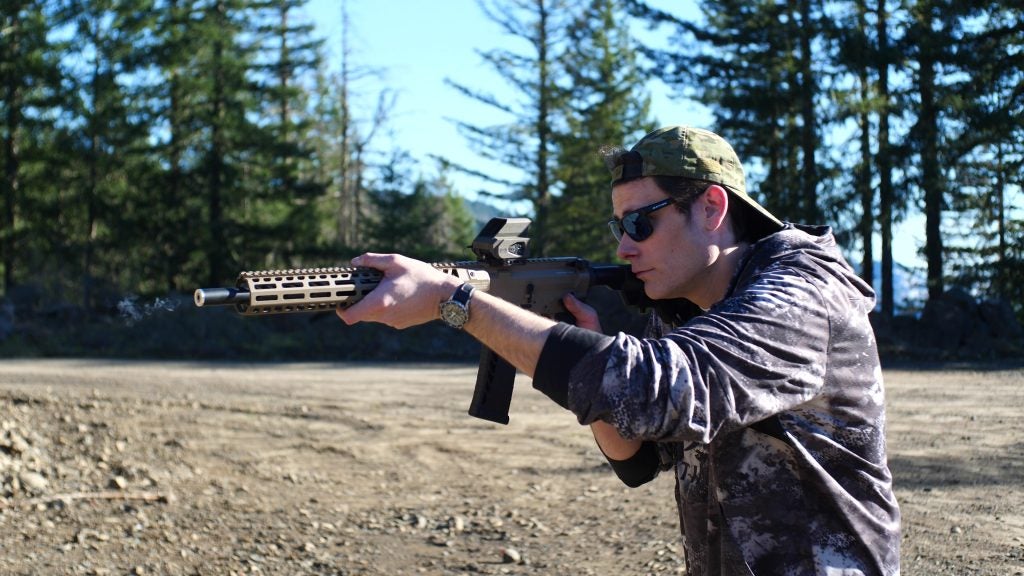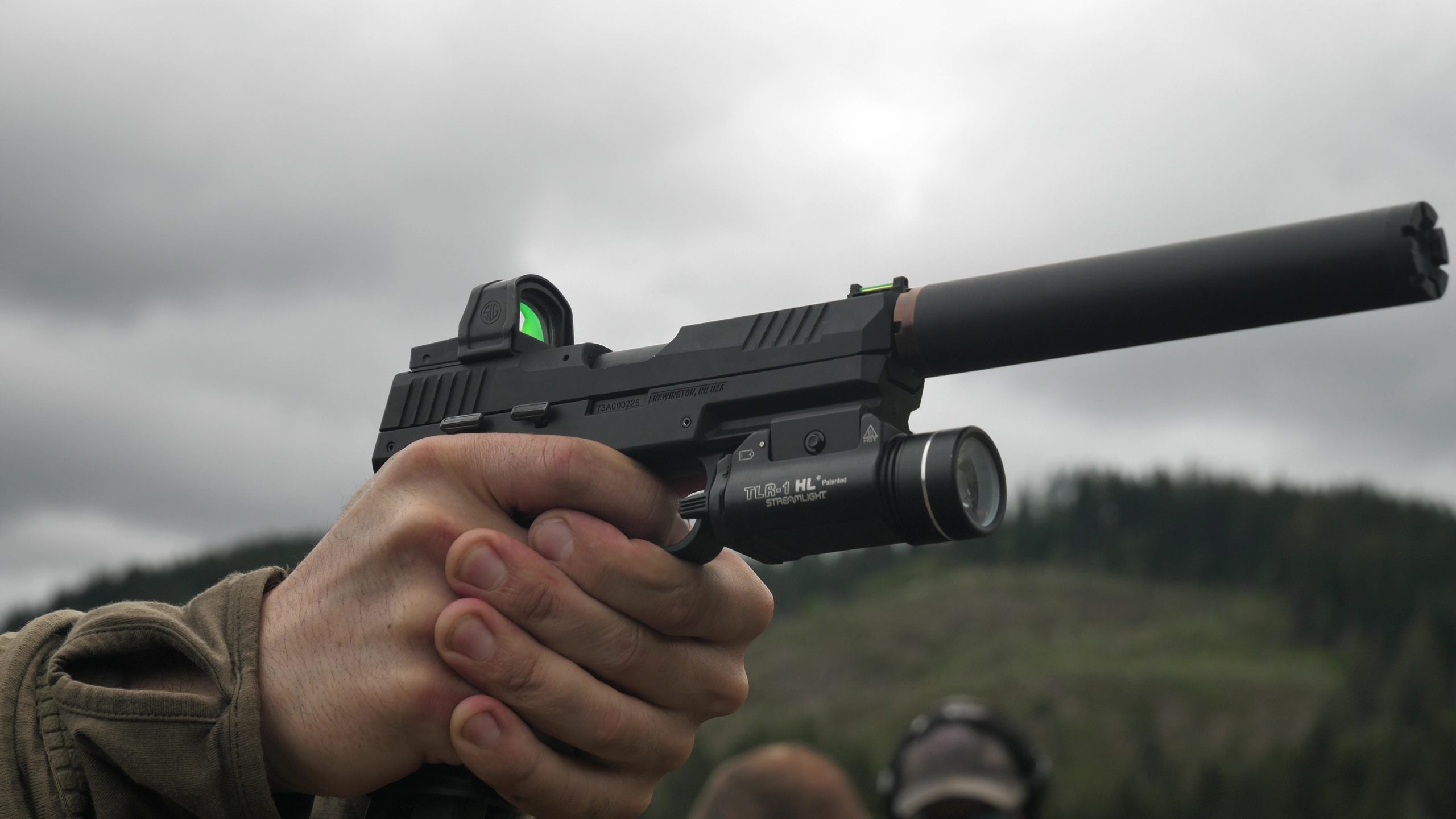
Until very recently, the idea of selling a suppressor was almost unthinkable. NFA gear was something you acquired, not something you flipped, and parting with a stamped item usually meant a serious life change or financial crunch.
Lately, you’ll hear more people talk about offloading an older can to fund the latest low back pressure or lightweight design, but there’s one category that seldom shows up on the chopping block: rimfire suppressors. Why is that?
In my estimation, this phenomenon exists solely because a good rimfire can quietly become the most-used, most-fun piece of NFA gear most shooters own.
It lives on the .22 pistol you hand to new shooters, the backyard plinking rifle you burn bricks of ammo through, and the bolt gun you grab for pest control, delivering cheap practice, low recoil, and gratifying fun in a way no centerfire can really match, all while being small, light, and versatile enough that there’s never a good reason to let it go.+
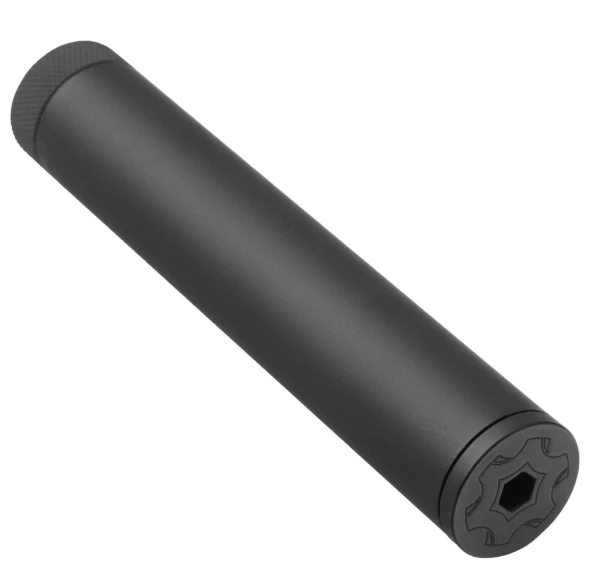
A good rimfire suppressor delivers that highly sought-after performance through low cost, absurd versatility, and noise reduction that turns a .22 into something approaching “Hollywood quiet” – but only if you treat it right and feed it the right ammo.
How Quiet Does Suppressed .22 Really Get?
Unsuppressed .22 LR from a rifle barrel typically peaks around 140-145 dB at the shooter’s ear, and while younger me refused to believe it, that’s loud enough for permanent damage with just a few shots sans hearing protection.
Add a quality rimfire can with subsonic ammo, and those noise levels typically drop to the 115-125 dB range outdoors (as low as 110-112 dB in best-case tests). That’s now well below the 140 dB peak impulse limit for unprotected ears (per NIOSH/OSHA guidelines).
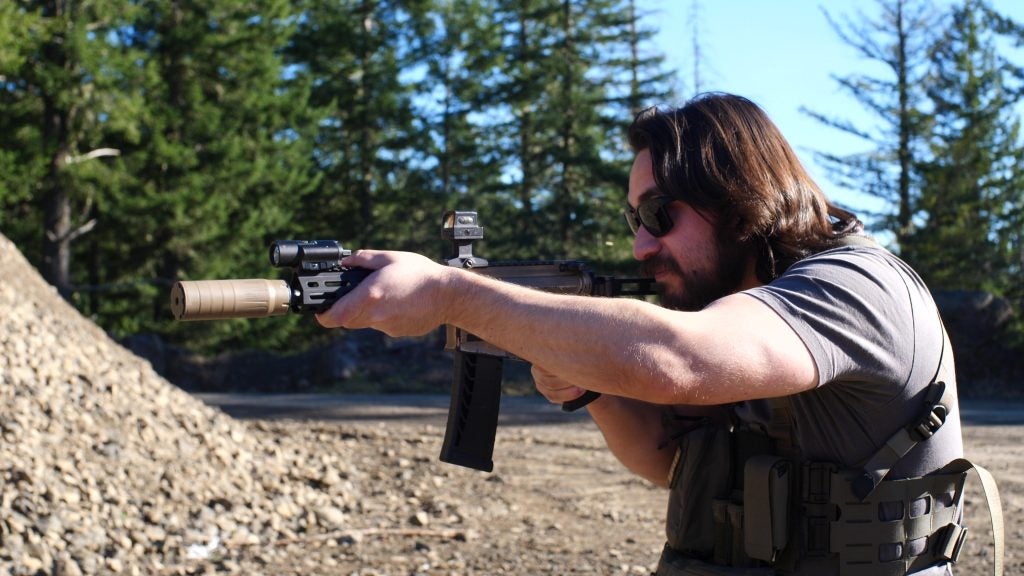
Subjectively? It sounds like a loud airsoft gun or a nail gun rather than a gunshot. The difference is addictive, and if you’re in for a casual range day, you can plink all afternoon without the concussive parts of your typical range session.
This is where rimfire shines over pricier centerfire cans. Many suppressed 5.56 or 9mm setups still hover above 130 dB even at their best, while a cheap $150-300 rimfire suppressor will punch way above its price on cheap $0.09 per round ammo. Sure, a suppressed 9mm PCC with subsonic could approach this performance, but at 3X the ammo cost and likely 2X the suppressor cost at minimum.
My friends and I swear by the “lunchtime gun,” which is just a fun, always-suppressed rimfire setup (pistol or rifle) that serves as the perfect palate cleanser between sessions with our rowdier centerfire review guns. It lets you ditch the ear pro, give your head a break from the hearing protection, and the louder gunfire, and keep the shooting going all day.
Lead/Carbon Fouling
But here’s the dirty reality nobody mentions until their baffles are caked in place with carbon and lead fouling. Rimfire suppressors (and the guns themselves) are notorious for getting absolutely filthy, even within just a few hundred rounds. Fast. Unjacketed .22 LR bullets in particular smear soft lead deposits inside the barrel, and small particles of that make their way into and onto the baffles.
On top of that, cheap, often dirty rimfire powder dumps unburned carbon that hardens like concrete if neglected for too long. A centerfire rifle suppressor might survive 2,000+ rounds between cleanings when using standard ammo since it burns so hot and efficiently, and the copper jacket keeps lead fouling to a minimum. A dedicated rimfire suppressor? Plan on maintenance every 300-500 rounds if you want to avoid any major frustrations when it comes to cleaning – especially if you shoot cheap, unplated, bare lead ammo.
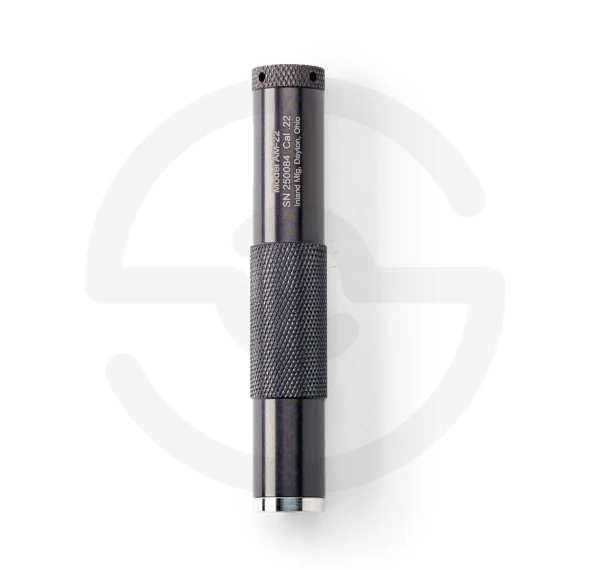
Because of the above factors, I find it almost mandatory that rimfire suppressors be user serviceable. Fixed-core rimfire cans exist, but they turn into warranty nightmares once lead fully encrusts the interior.
However, even the best user-serviceable suppressors like the Faxon Twenty Toucan can require literally chiseling off chunks of lead and carbon fouling after months of neglect. Even stainless baffle designs (which handle abuse better than aluminum) need regular attention if you’re burning through bricks of ammo.
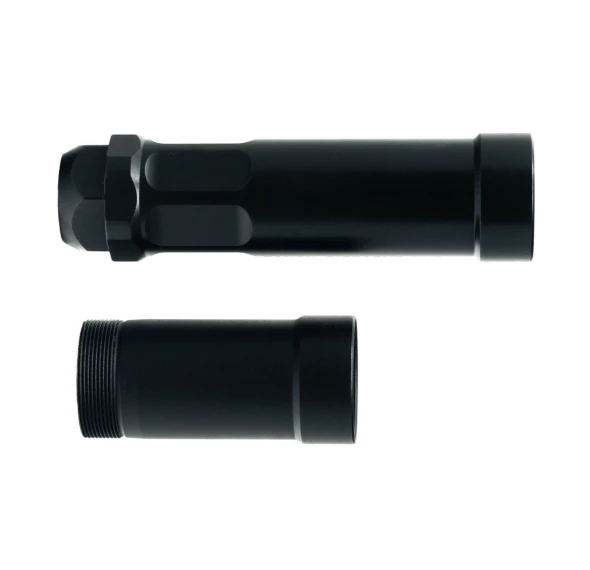
So while rimfire suppressors deliver a very addictive “Hollywood quiet” sound at a sustainable price, that also comes along with the very real cost of solvent baths, brass brushes, and elbow grease every couple of hundred rounds. This is the maintenance reality that separates casual plinkers from dedicated rimfire shooters.
Why You Still Won’t Sell It
Despite the dirty work and the relatively simple design of virtually all rimfire suppressors, the dramatically reduced sound and concussion, absurd ammo cost savings, and unmatched versatility across .22 pistols, rifles, and even some 5.7×28 and 22WMR PCCs keep rimfire cans in constant rotation and often in a growing collection. If I use myselfand a handful of fellow shooters and writers I know, most of us end up shooting our .22 suppressor more than any other NFA item – often by an order of magnitude.
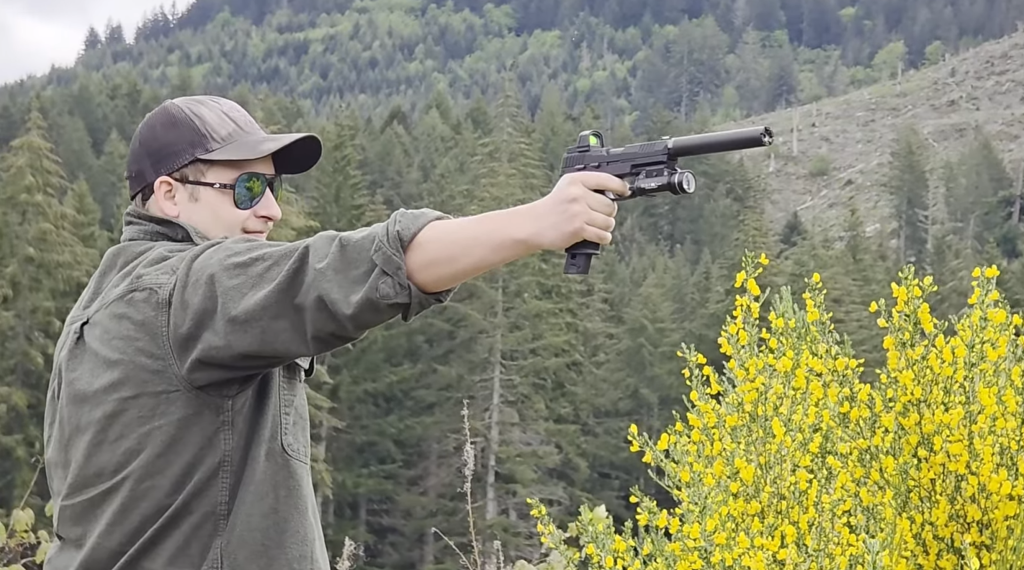
This usage pattern, in my estimation, creates a strong sense of sentimentality around it. Drawing from a personal example, even though it’s in desperate need of retiring and a great example of how not to do one, my first Form I 22LR suppressor is still used to this day as a cheap “throw it on anything” suppressor that just waits around for a set of bare threads. No other NFA item matches that daily utility-to-cost ratio for the average shooter.
That’s why rimfire suppressors stick around forever. They earn their permanent place in the safe through thousands of rounds of pure utility, first shots, and, of course, being so cheap these days that you can almost replace them like an accessory rather than an entire firearm. Let us know in the comments what your favorite rimfire suppressor is, or what you’re aiming to add to the gun safe next!